
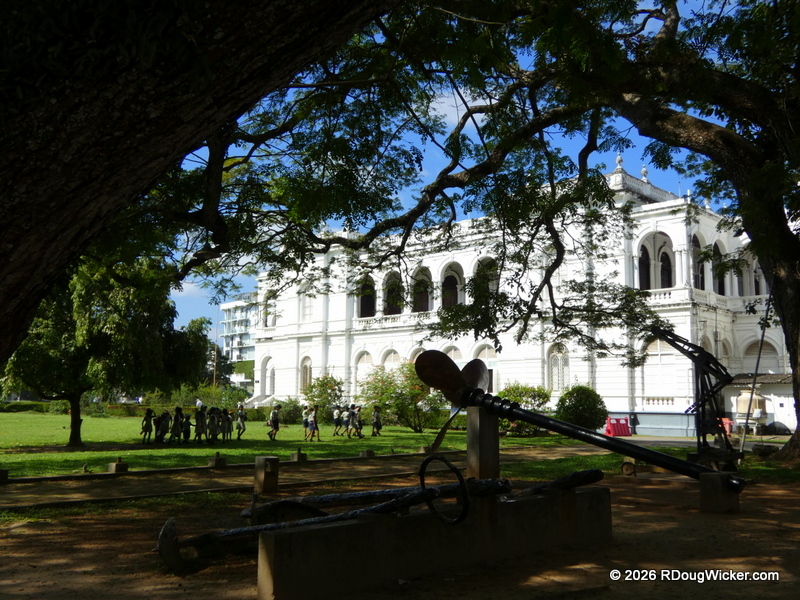
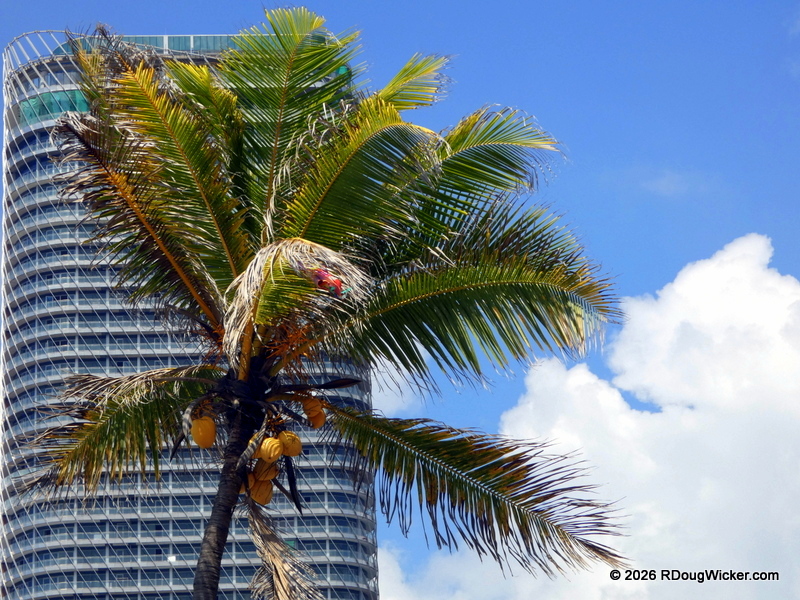
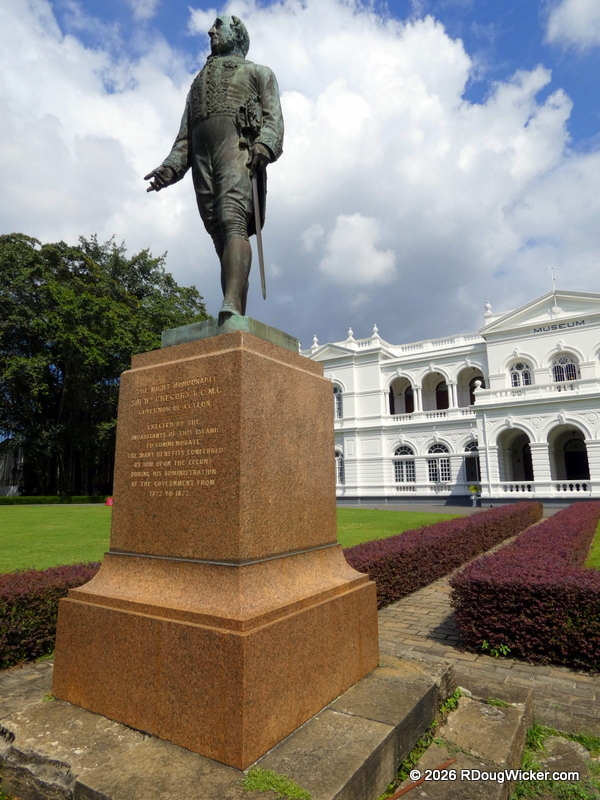
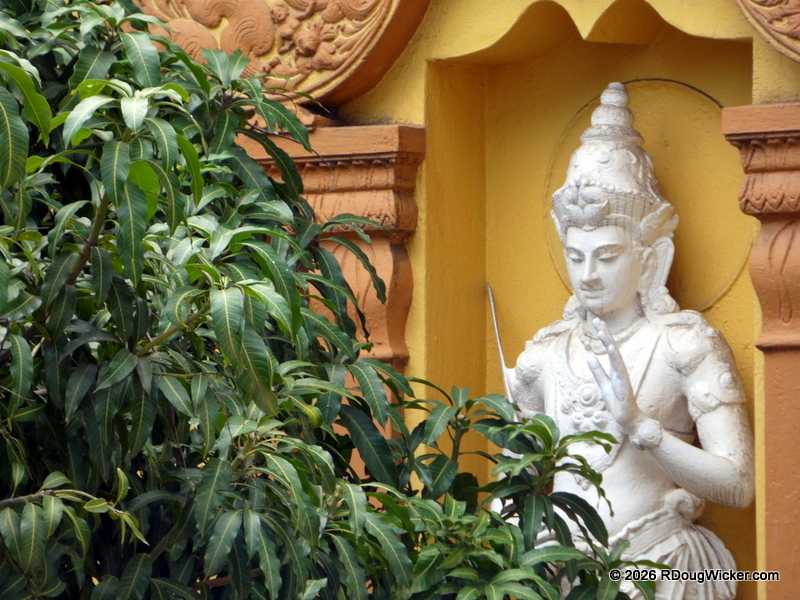
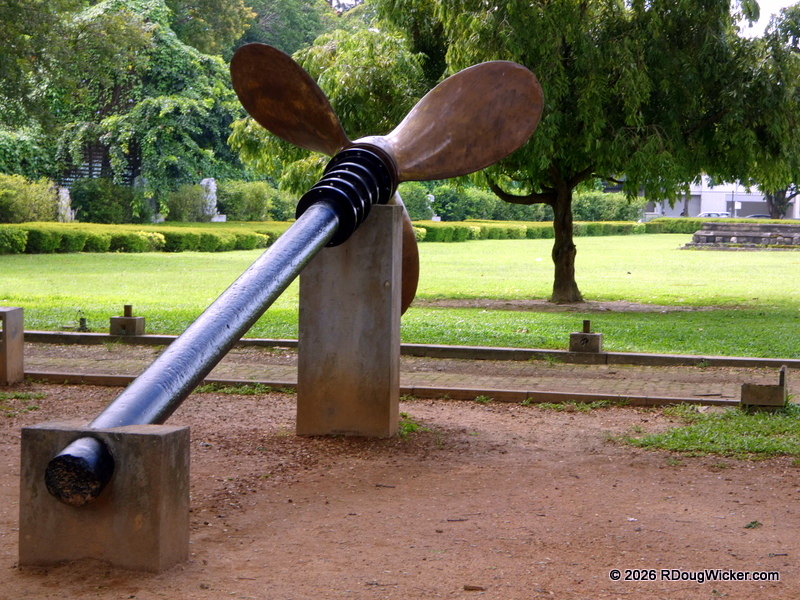
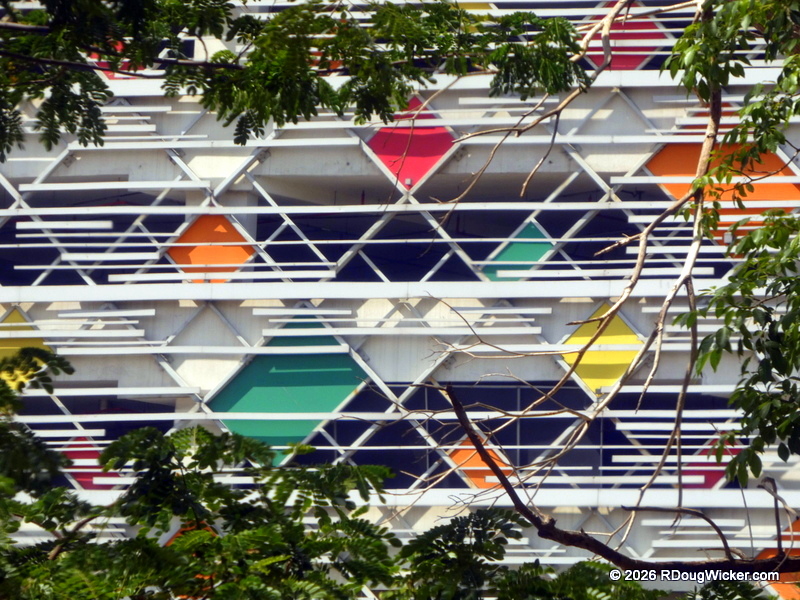
Today I present the first of two Fun Photo Friday’s featuring Colombo favorites:
Слава Україні! (Slava Ukraini!)
Today I present the first of two Fun Photo Friday’s featuring Colombo favorites:
Слава Україні! (Slava Ukraini!)
Filed under Fun Photo Friday, Photography, R. Doug Wicker, travel, vacation
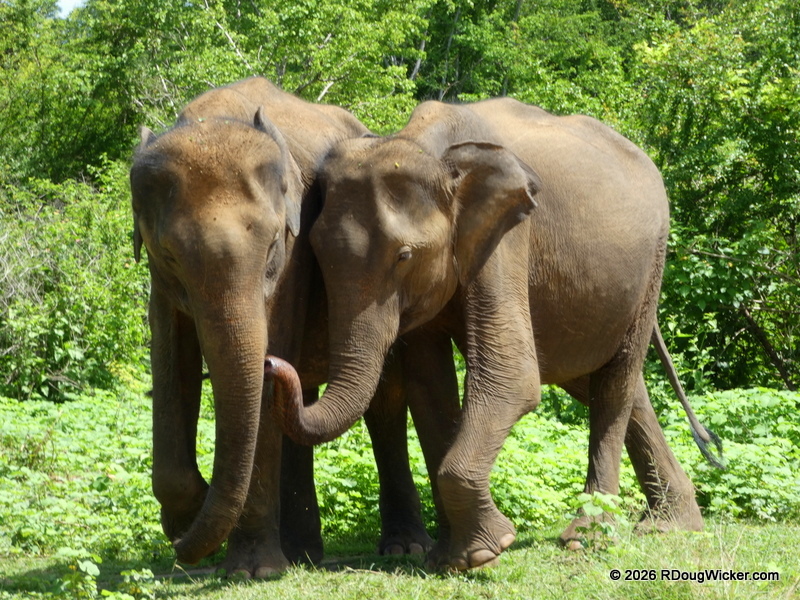
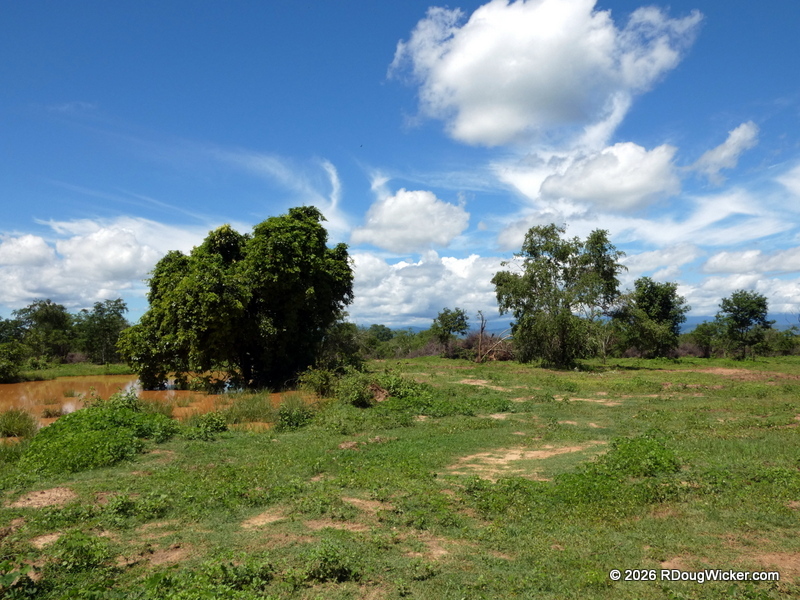
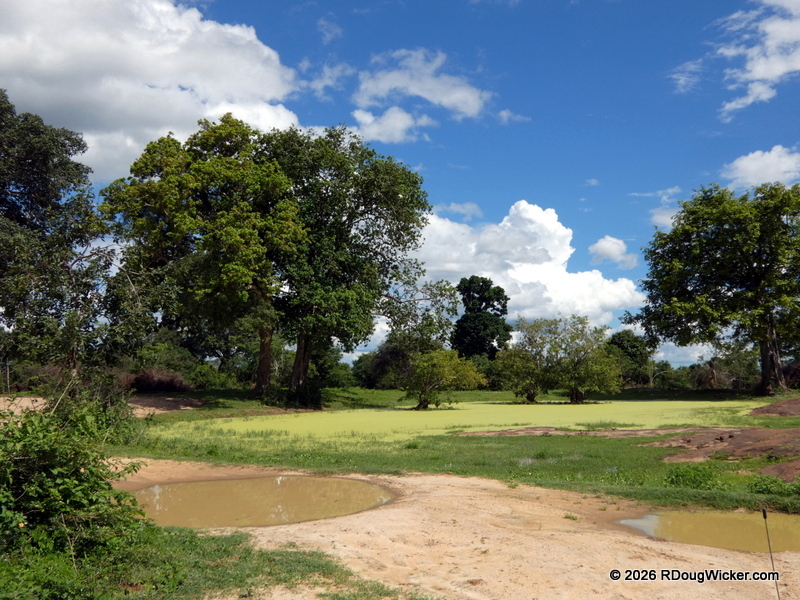
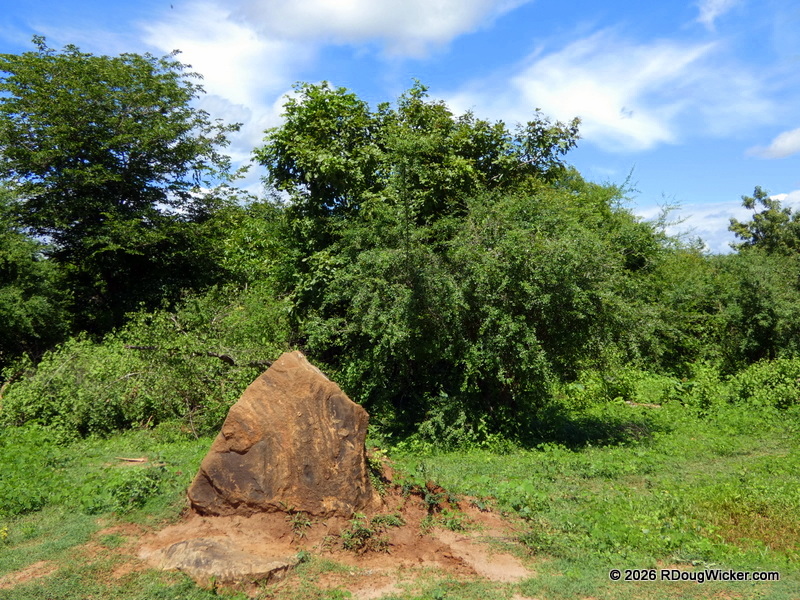
Time for the second of two Udawalawe National Park Fun Photo Fridays, and today’s highlights the terrain more than the wildlife. Next week’s Udawalawe National Park conclusion will be a Fun Food Friday.
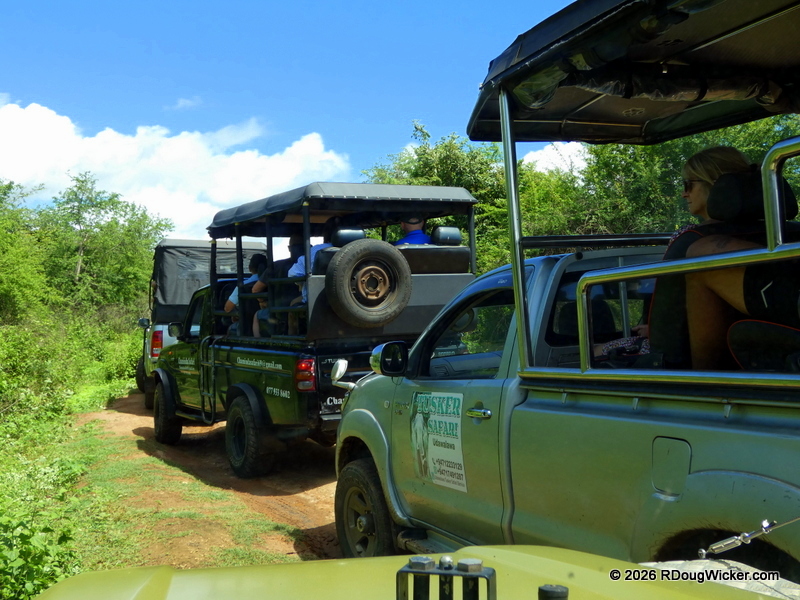
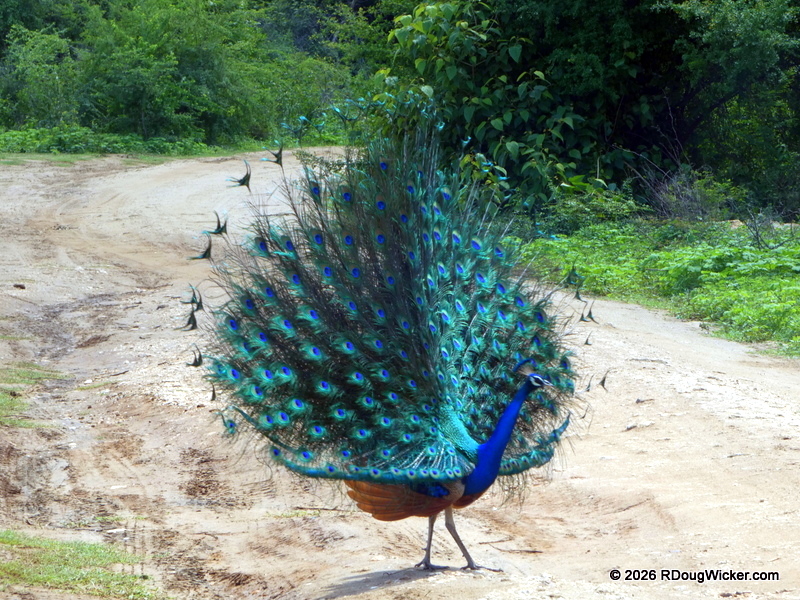
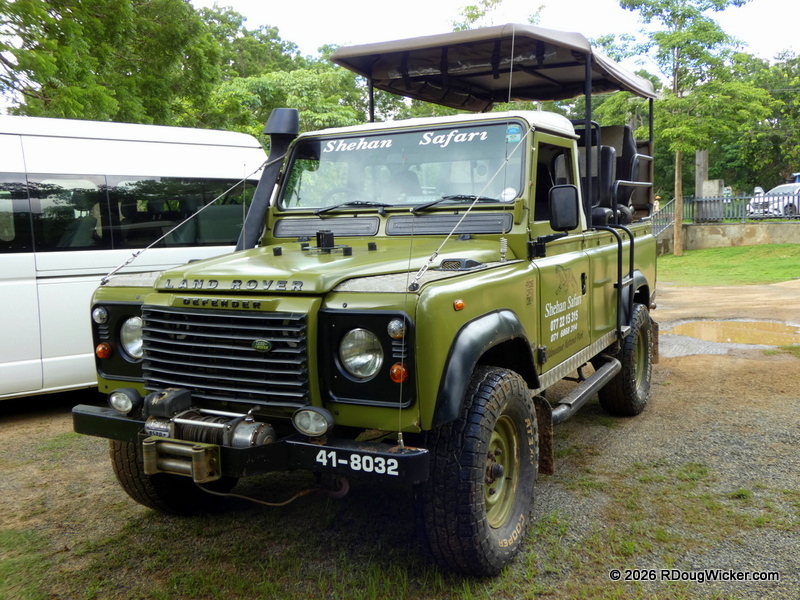
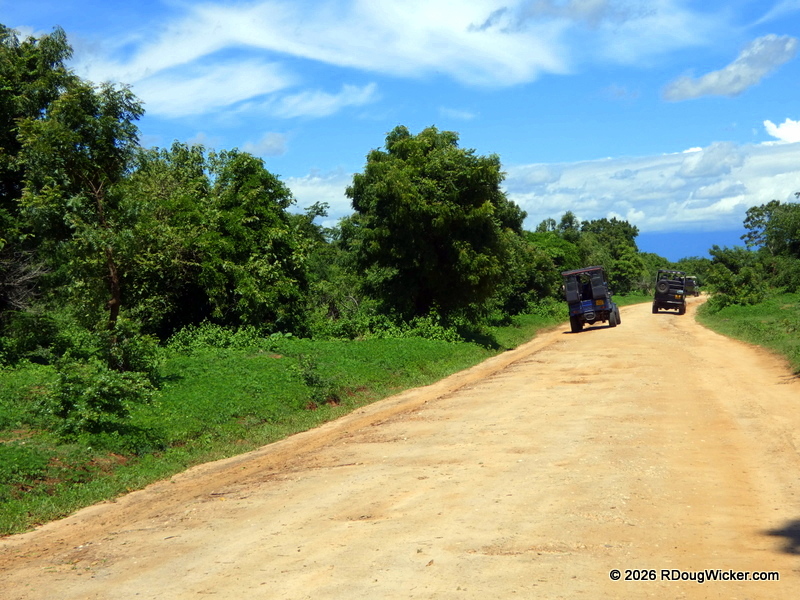
Слава Україні! (Slava Ukraini!)
Comments Off on Fun Photo Friday — Sri Lanka; Udawalawe National Park Favorites 2
Filed under Fun Photo Friday, Photography, R. Doug Wicker, travel, vacation
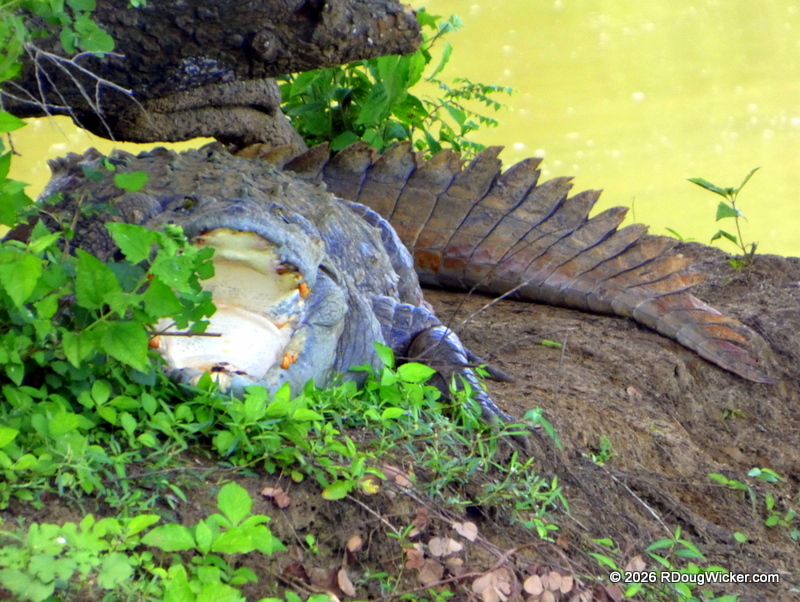
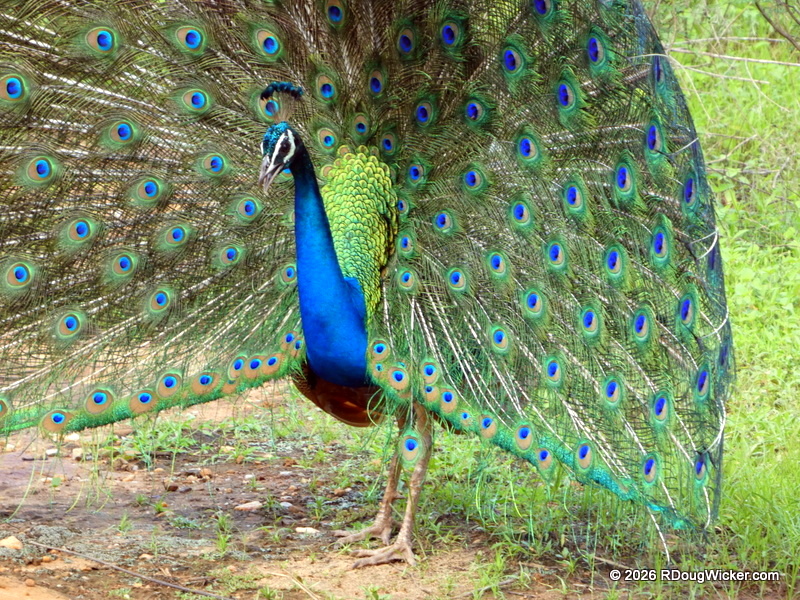
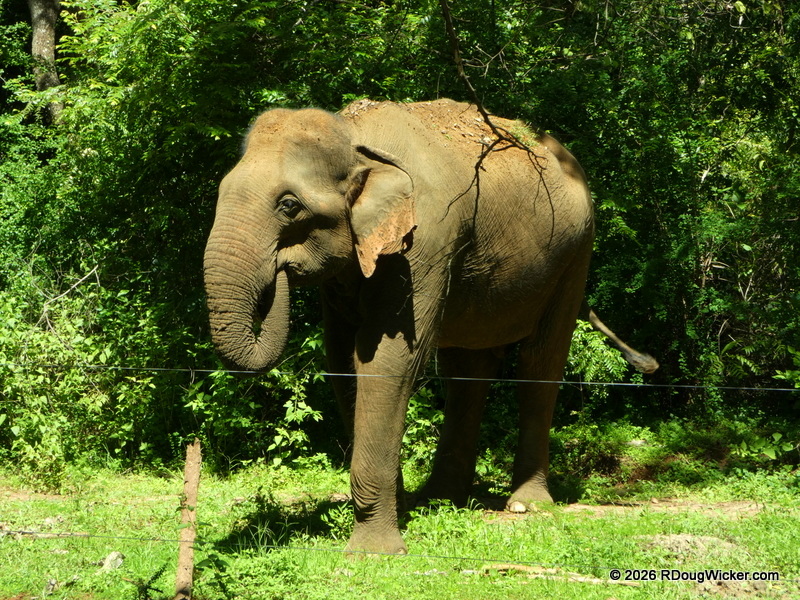
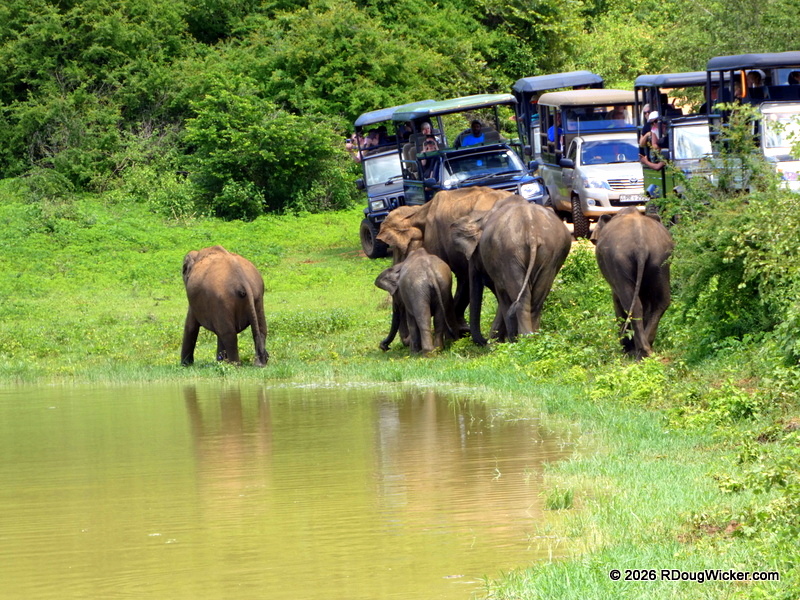
Today I present the first of two Fun Photo Fridays featuring Udawalawe National Park favorites. At the conclusion of week three, expect a salivating Fun Food Friday of our lunch here in the park.
Слава Україні! (Slava Ukraini!)
Comments Off on Fun Photo Friday — Sri Lanka; Udawalawe National Park Favorites 1
Filed under Fun Photo Friday, Photography, R. Doug Wicker, travel, vacation
 Decisions — Murder in Paradise
Mystery novel available for Kindle
0
Decisions — Murder in Paradise
Mystery novel available for Kindle
0 The Globe — Murder in Luxury
Mystery novel available for Kindle
0
The Globe — Murder in Luxury
Mystery novel available for Kindle
0
