

Normandy American Cemetery, France
Honorably discharged veterans of the military are frequently thanked on this day for their service to their nation. And although we are grateful for the thanks, veterans would like to remind you that Veterans Day (formerly Armistice Day and also known as Remembrance Day to our Commonwealth Cousins) is the time to celebrate military service both past and present. Memorial Day is set aside to honor those who made the ultimate sacrifice in defense of a grateful nation.

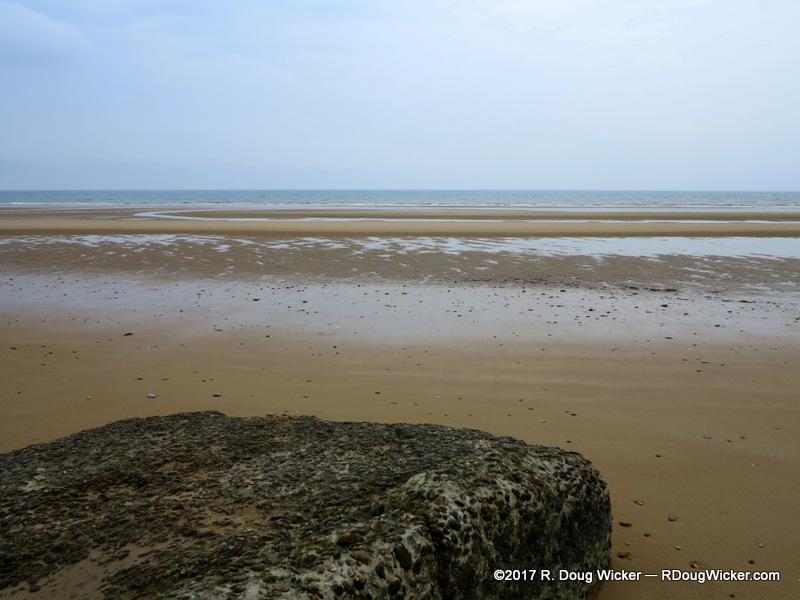
Overlooking Omaha Beach, Normandy
Memorial Day was originally conceived as Decoration Day in the immediate wake of the Civil War, and it formally commemorated the horrendous loss of life experienced by both the Union and the Confederacy.

Statue Titled: The Spirit of American Youth Rising from the Waves Normandy American Cemetery
The true meaning of Memorial Day has been all but obscured since Congress changed the date of observance from May 30 to the last Monday in May so as to create a three-day weekend. Now, unfortunately, it’s seen more as a quasi National Barbeque Day and the unofficial First Day of Summer. As a result its true meaning has been obscured to many.

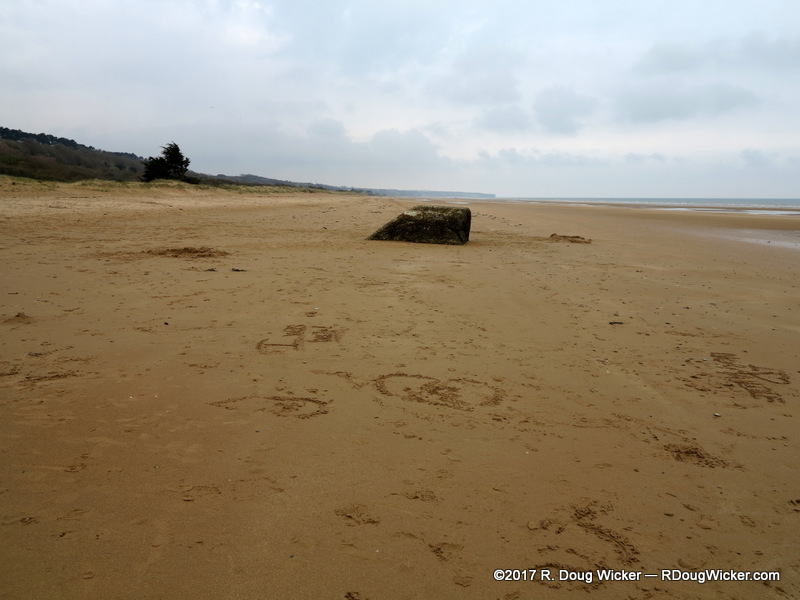
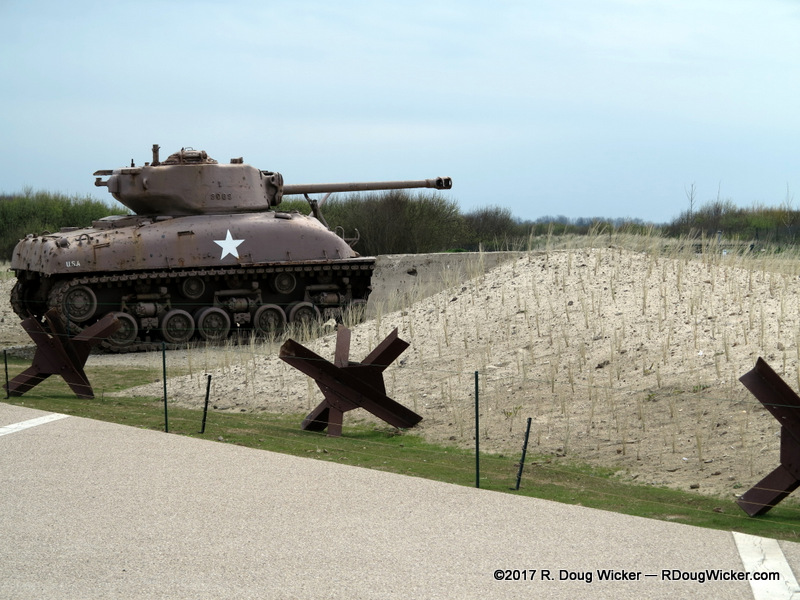
M4 Sherman Tank on Utah Beach
Veterans Day suffered a similar fate – moved to the fourth Monday of October – but in this case Congress acknowledged the dilution of that holiday’s true meaning and moved it back to its hard date of November 11 a few years later. Congress really ought to do the same with Memorial Day. To me, that’s a much more solemn occasion deserving of even more respect than Veterans Day.
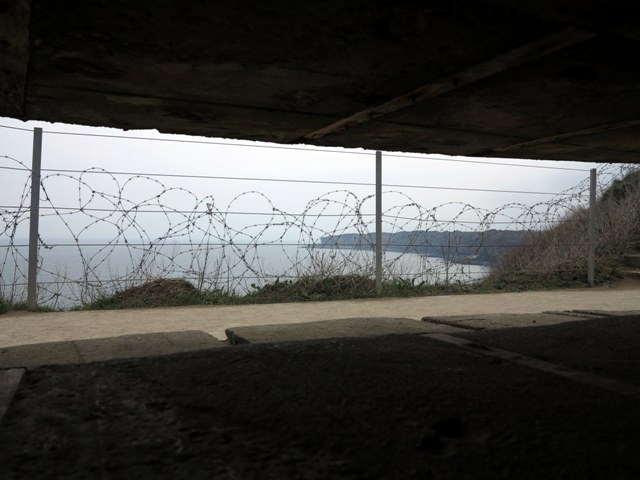
German Gun Emplacement Overlooking Pointe de Hoc
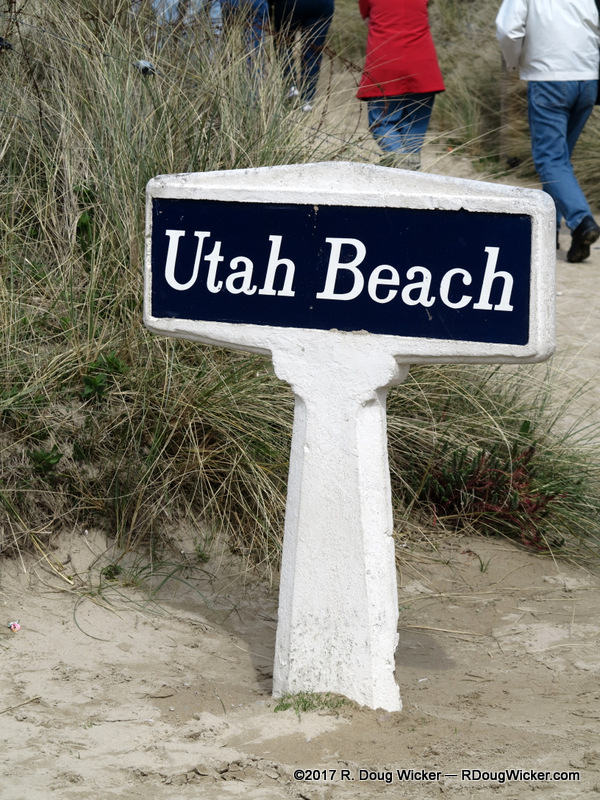
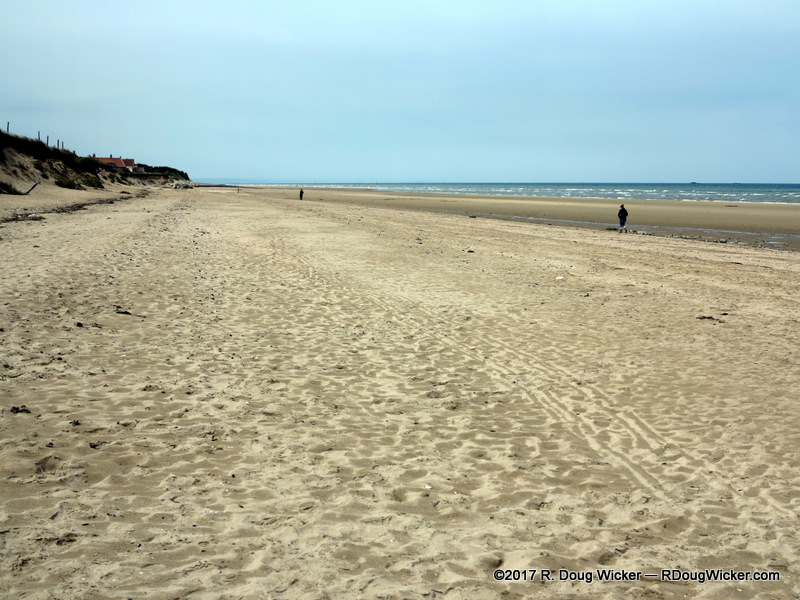
In April, 2012, I had the solemn privilege of walking through some of the battlefields of the D-Day Invasion in Normandy, France. It was a pilgrimage I had wanted to make since I was a youngster of nine sitting in a darkened theater at an Air Force Base in Ohio watching the classic film The Longest Day. The pictures I took that cold day in April are what you’ve been experiencing throughout this blog.
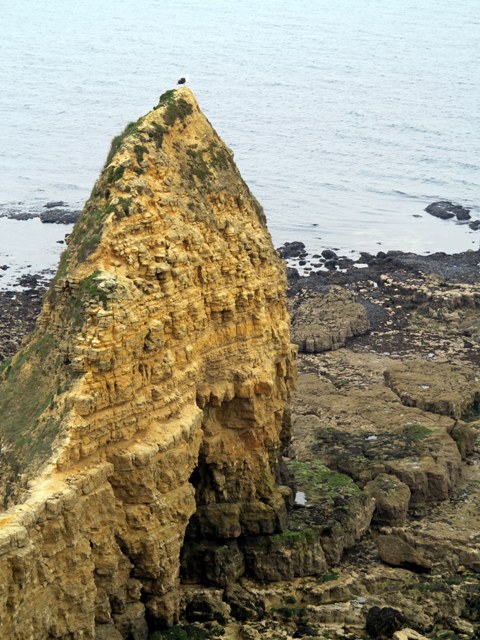
Pointe de Hoc, Normandy
Below are a few more reminders of what we commemorate on this solemn occasion. Included in those photographs are the markers for Medal of Honor recipient Brigadier General Theodore “Ted” Roosevelt, Jr. who died just five weeks after he led the landing at Utah Beach, and his younger brother 2nd Lieutenant Quentin Roosevelt of the 95th Aero Squadron (Pursuit), who also fell on French soil just two days shy of twenty-six years earlier — during World War I. They are two brothers separated by two World Wars reunited a quarter century later in hallowed ground in Normandy, France.









 Decisions — Murder in Paradise
 The Globe — Murder in Luxury
