
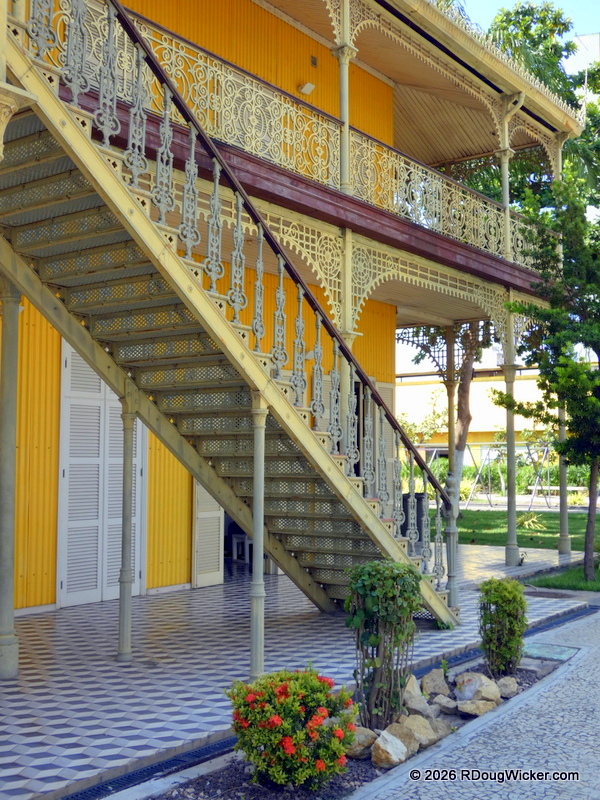
Time for this week’s Fun Photo Friday. Next week I’ll show you our next African destination — Mel Tormé…. Ooops. I mean São Tomé.
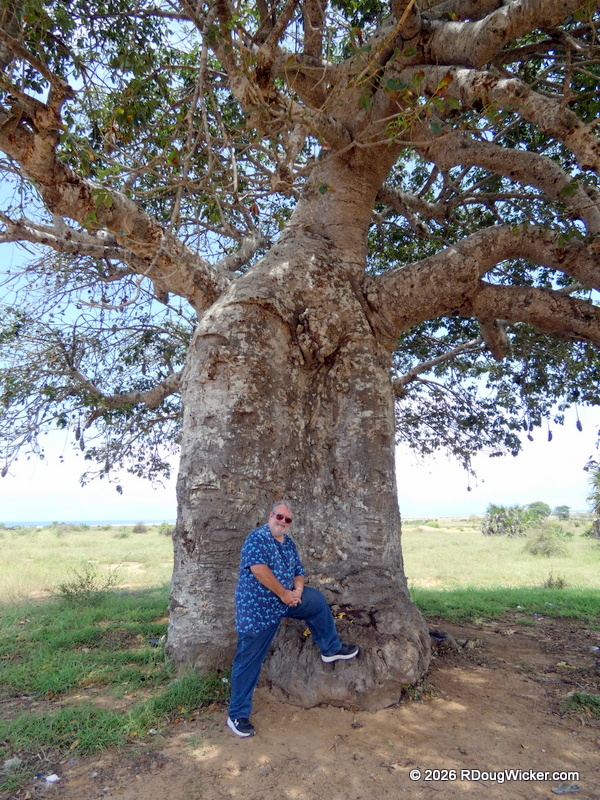
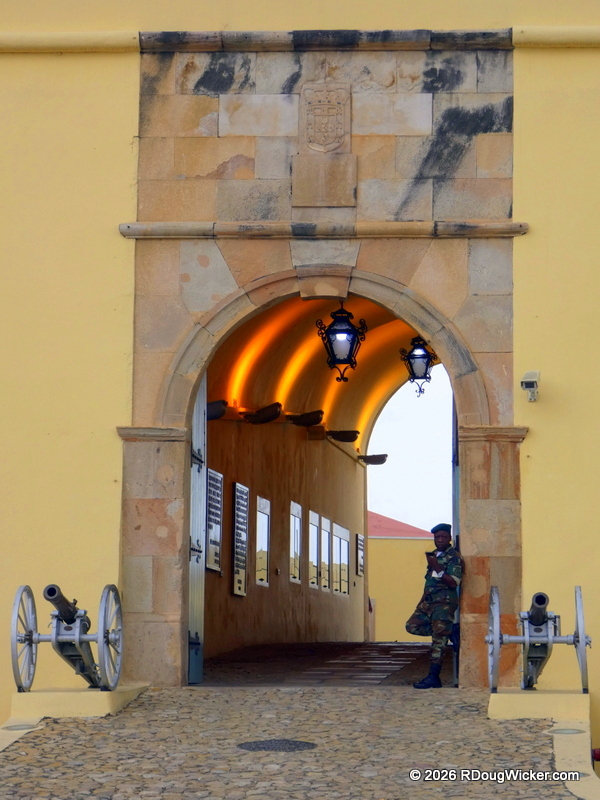
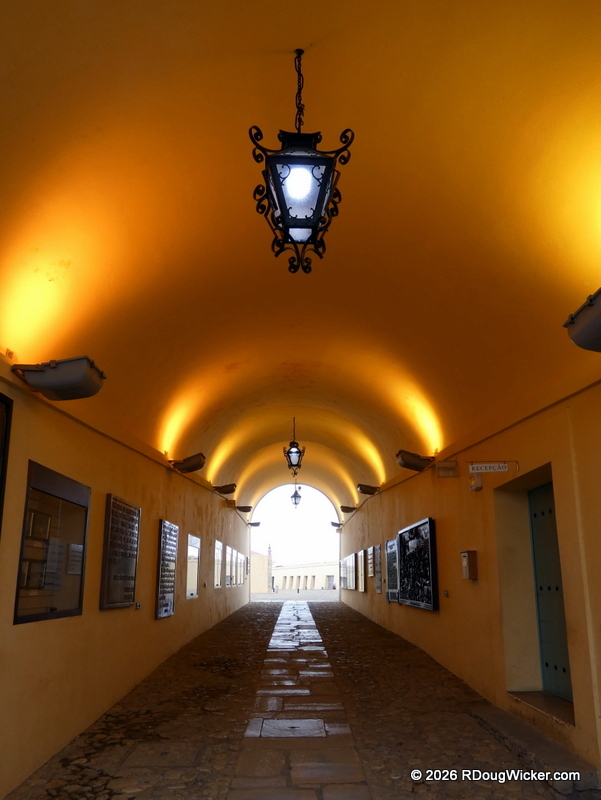
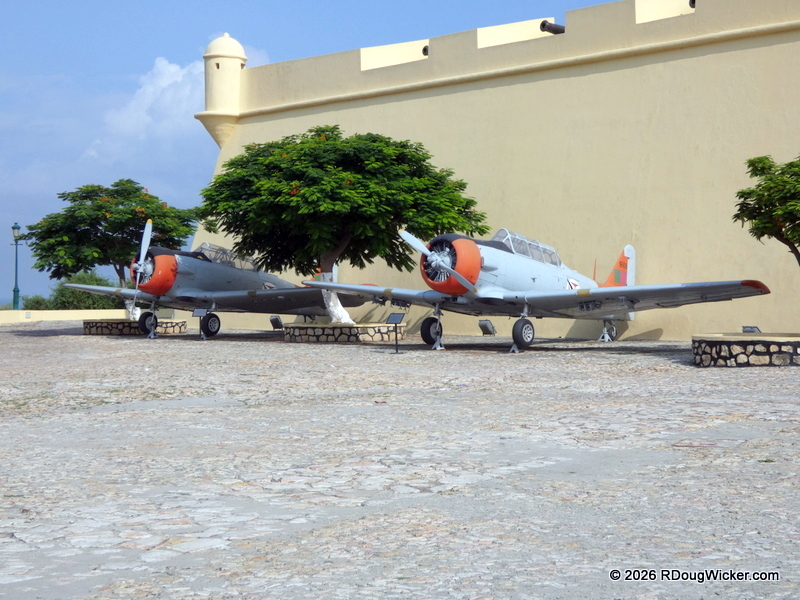
Слава Україні! (Slava Ukraini!)
Time for this week’s Fun Photo Friday. Next week I’ll show you our next African destination — Mel Tormé…. Ooops. I mean São Tomé.
Слава Україні! (Slava Ukraini!)
Comments Off on Fun Photo Friday — Luanda Favorites 2
Filed under Fun Photo Friday, Photography, R. Doug Wicker, travel, vacation
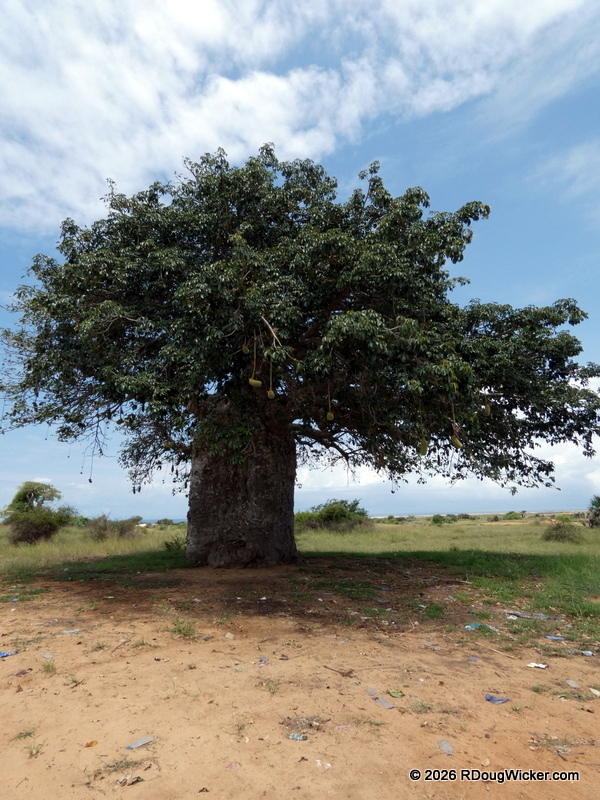
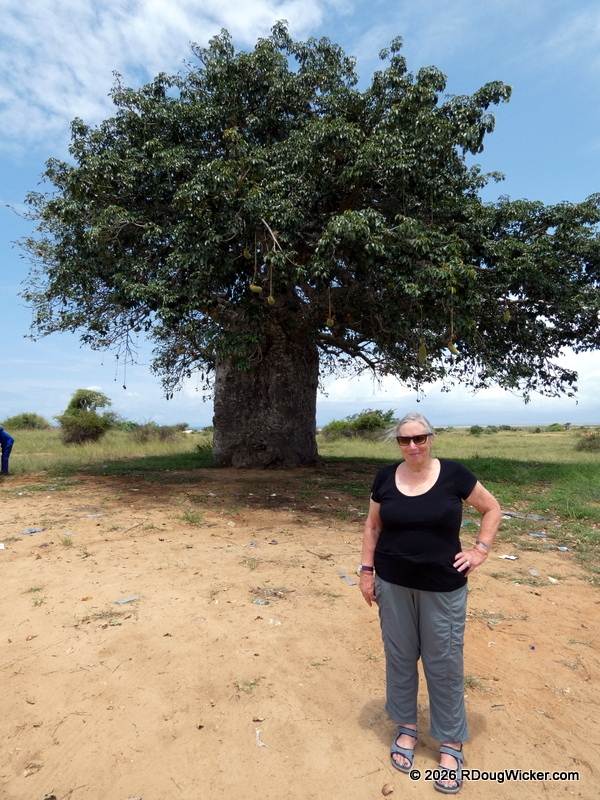
Three stops on this leg of our Luanda, Angola tour. The first was the boabab tree you see above. And this thing was massive. The trunk probably measured more than two meters across. But that would make this one a peewee in the baobab world, as some can extend up to 15 meters/49 feet across at the trunk. On this week’s Fun Photo Friday I’ll post a picture Ursula took of me posing directly in front of that trunk. For now, let’s look at the fruit of the baobab:
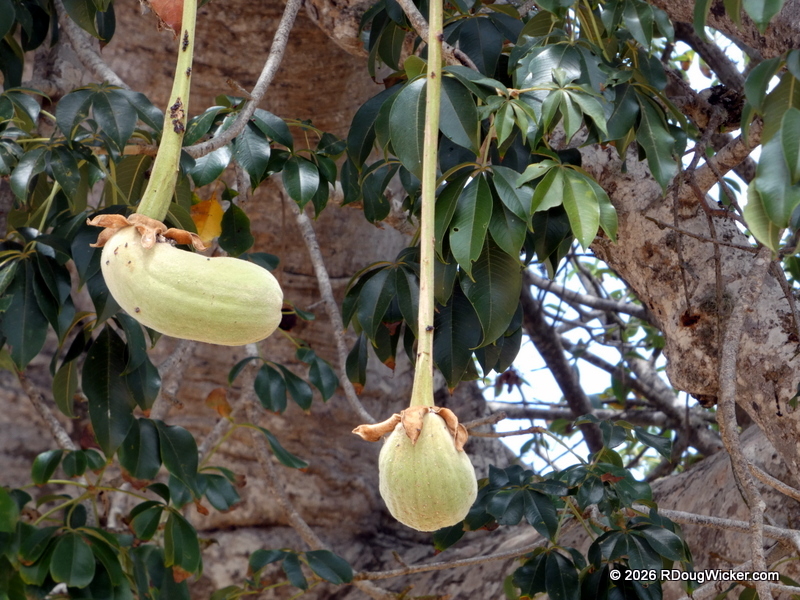
This fruit is edible. According to Wikipedia, the pith of the fruit has a citrus flavor that tastes like sherbet. In Angola, the baobab fruit is dried, then boiled to produce a juice that can then be used to make a type of ice cream called gelado de múcua. And, as you can see, this tree produces prodigious amounts of shade:
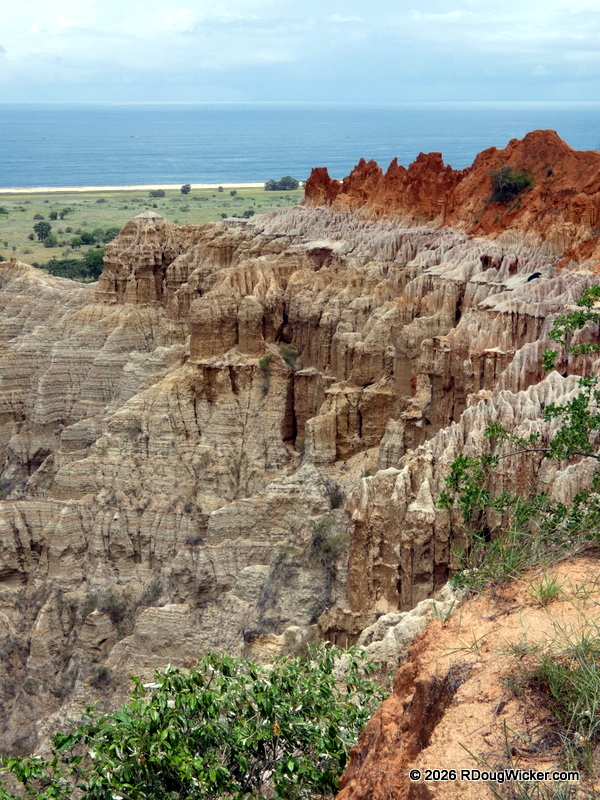
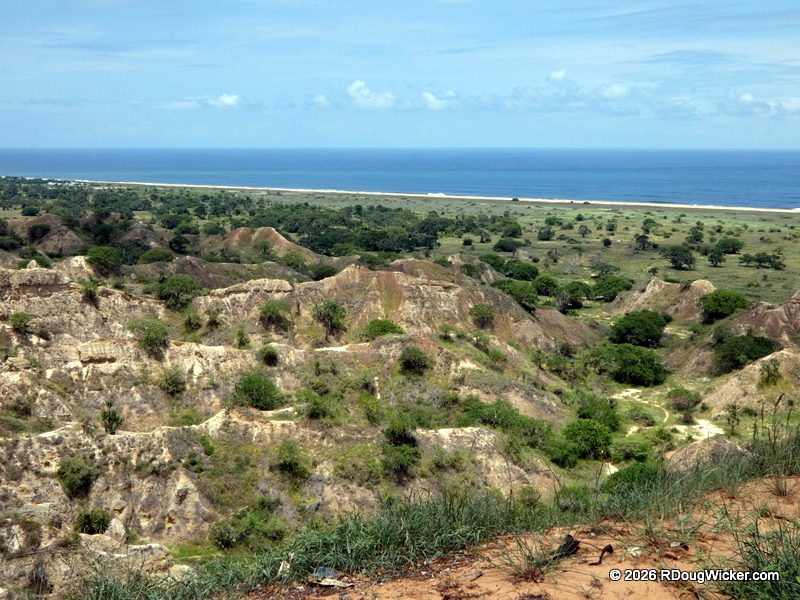
Our next stop was Miradouro da Lua, which translates to Viewpoint of the Moon, is about a 38-mile/60km drive south of Luanda:
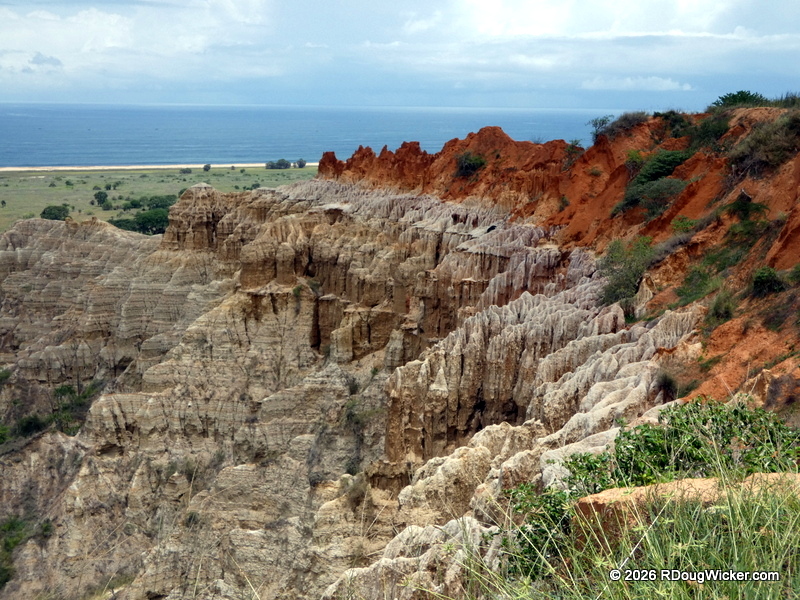
The sheer cliffs lining the deep gorge running to the sea are layered in deep reds and stark grays:
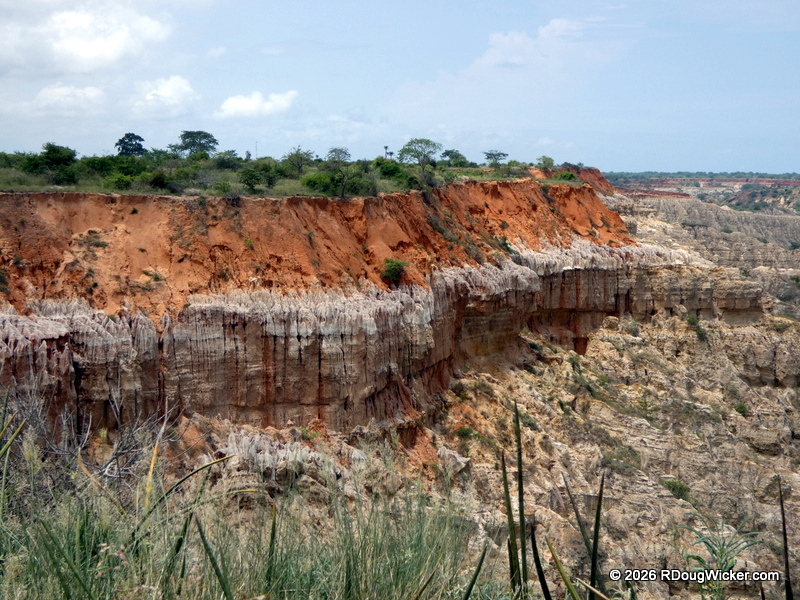
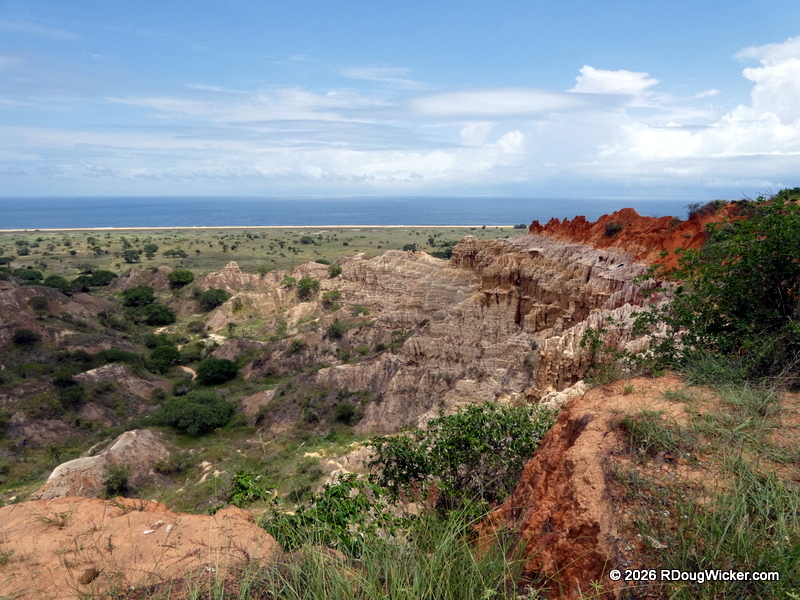
Beyond the cliffs lie the South Atlantic Ocean and a beautiful sand beach:
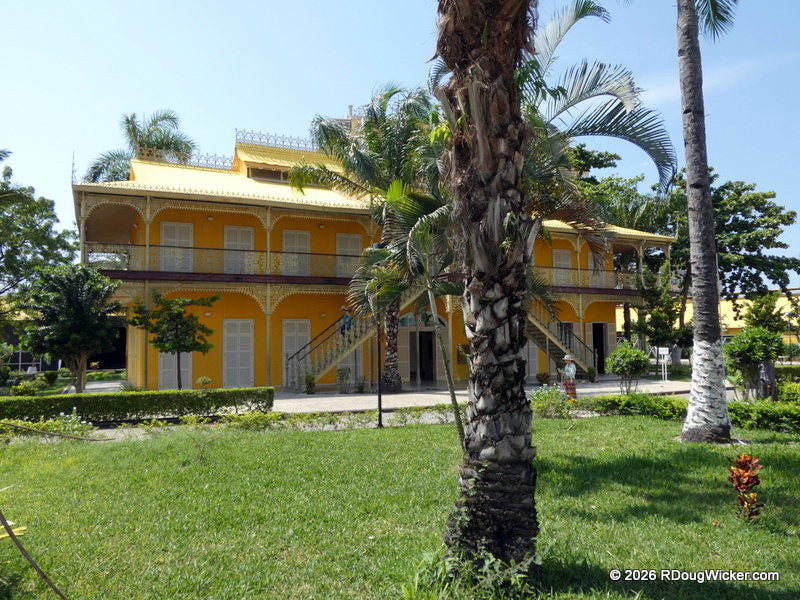
My last Luanda presentation for you today is the Palácio de Ferro (the Iron Palace). Rumor has it that this structure was designed and prefabricated by Gustave Eiffle of Eiffle Tower fame, shipped by boat and destined for Madagascar, and shipwrecked on the Skeleton Coast. The truth as to its origin is a resounding nobody knows. There is no official record on this building. All that is known as that it went up at its present location sometime in the 1890s.
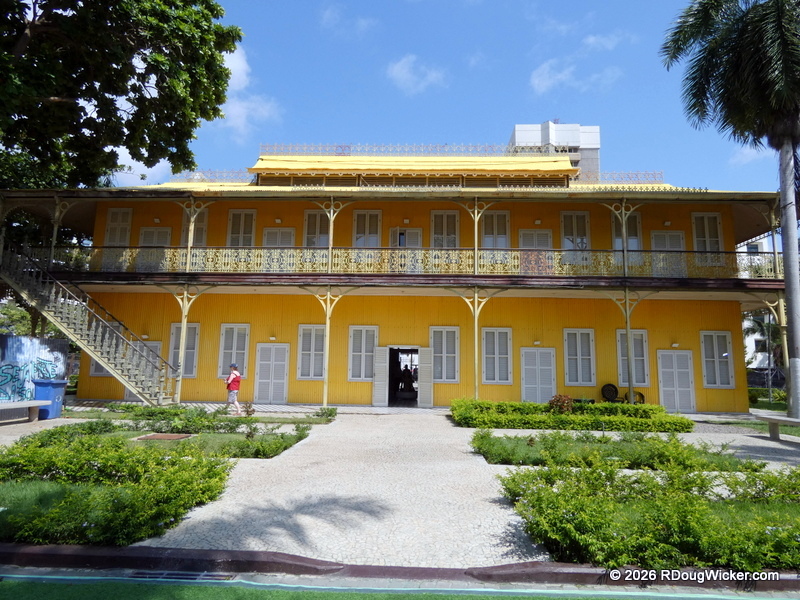
But I can attest to its iron construction, from the decorative balustrades to the staircase you can see on the left. I’ll show you a closeup of both on this week’s Fun Photo Friday. Regardless of the Iron Palace’s origin, it’s a stunning piece of architecture from either the back or the front:
Слава Україні! (Slava Ukraini!)
Comments Off on Angola — Luanda; Baobab Tree, Miradouro da Lua, and the Iron Palace
Filed under Photography, R. Doug Wicker, travel, vacation
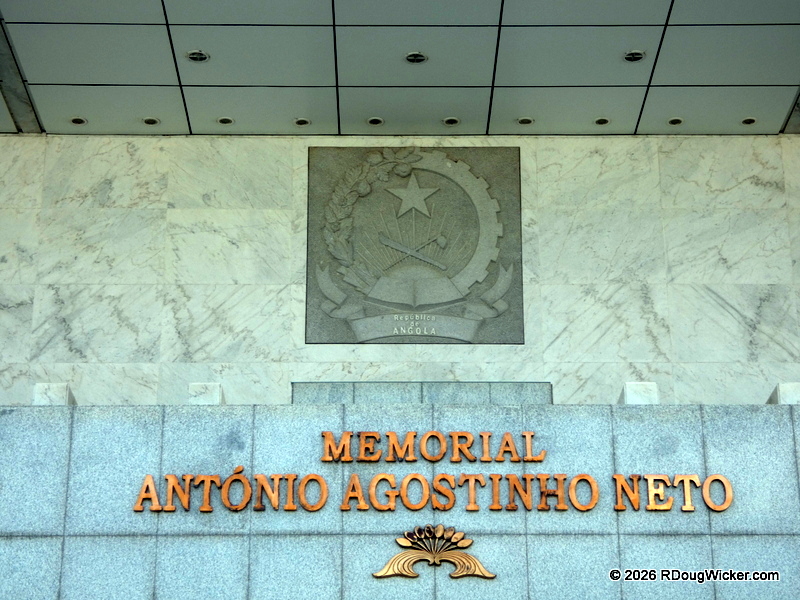
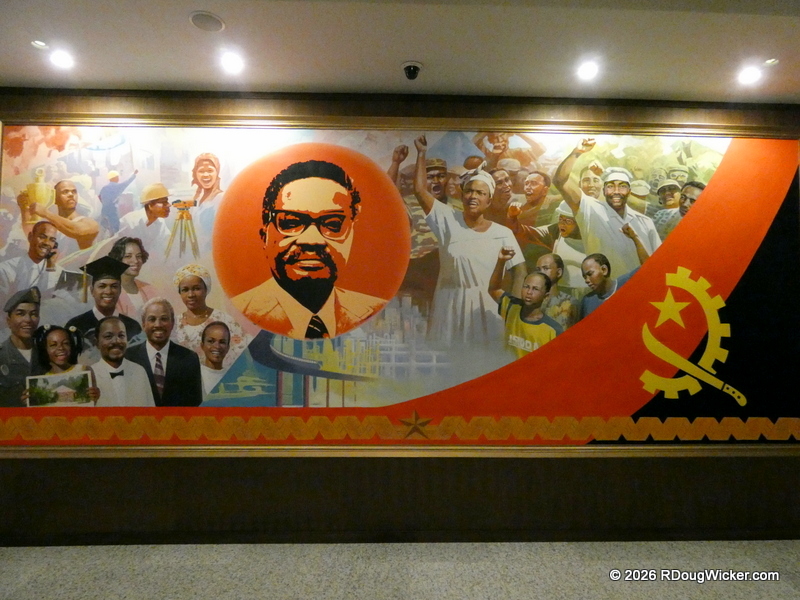
Agostinho Neto (born António Agostinho Neto) was the first president of Angola (1975-1974), and the leader of the People’s Movement for the Liberation of Angola (MPLA). Since he’s considered a hero of Angola, there is a massive mausoleum and memorial complex dedicated to him. That complex, the Dr. António Agostinho Neto Memorial, was our next destination following our visit to the Military Armed Forces Museum.
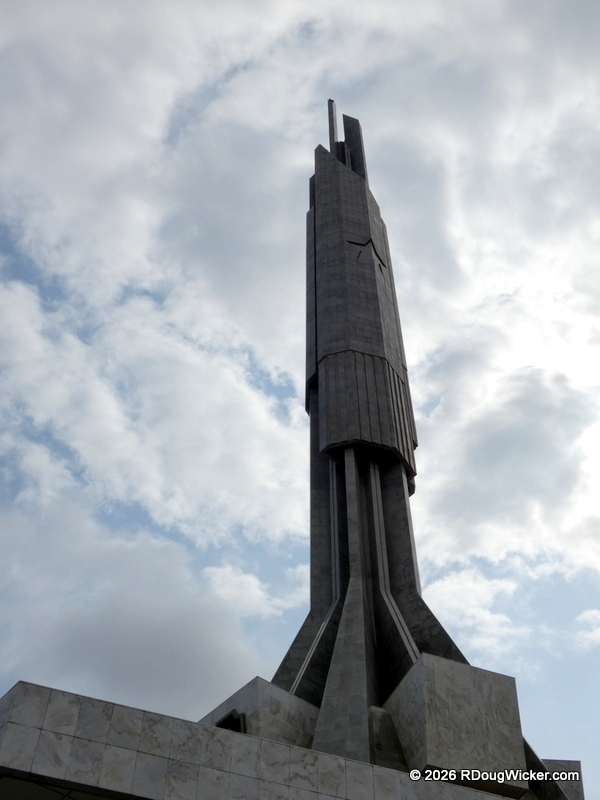
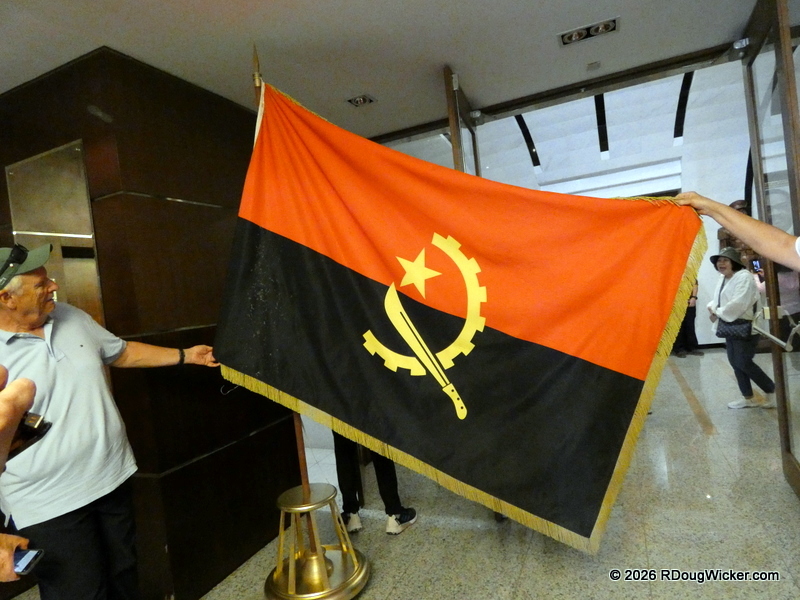
A trip inside the mausoleum, located beneath the 120-meter/394-foot “Rocket” memorial, is worthwhile. Inside you’ll find several displays of interest:
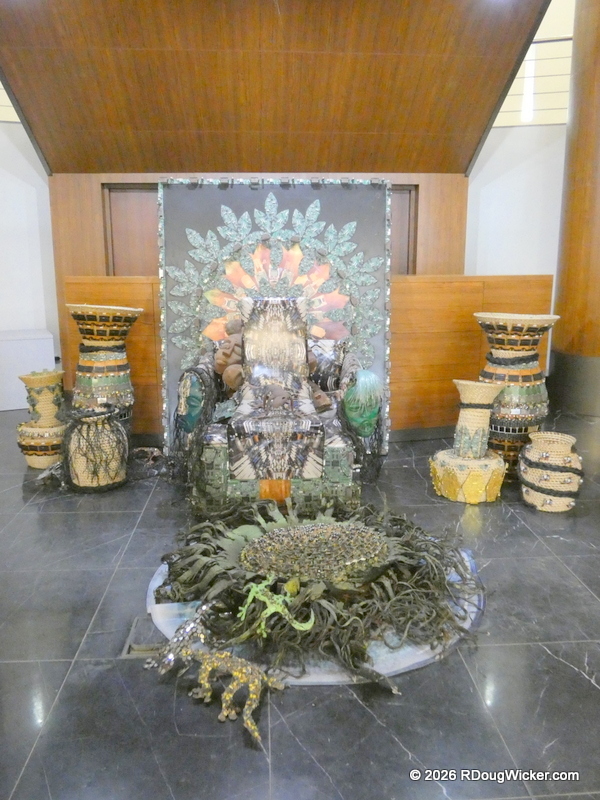
Here’s you’ll also find indigenous displays:
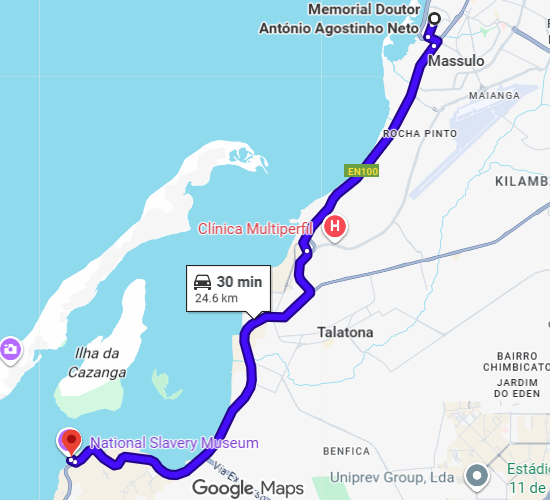
After our visit to the Dr. António Agostinho Neto Mausoleum and Memorial, it was time for our next tour destination, and a rather somber one. We headed south, out of the city, and proceeded Morro da Cruz for a look inside the National Museum of Slavery. The drive from the Dr. António Agostinho Neto Mausoleum and Memorial to the National Slavery Museum takes about 30 minutes and covers 24.6km/15.2 miles.
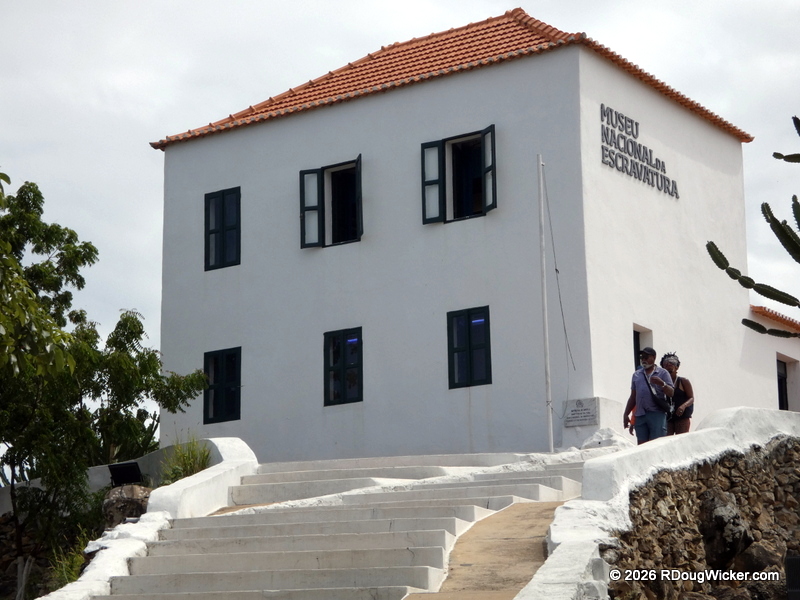
The building housing the museum is high atop a hill overlooking Mussulo Bay:
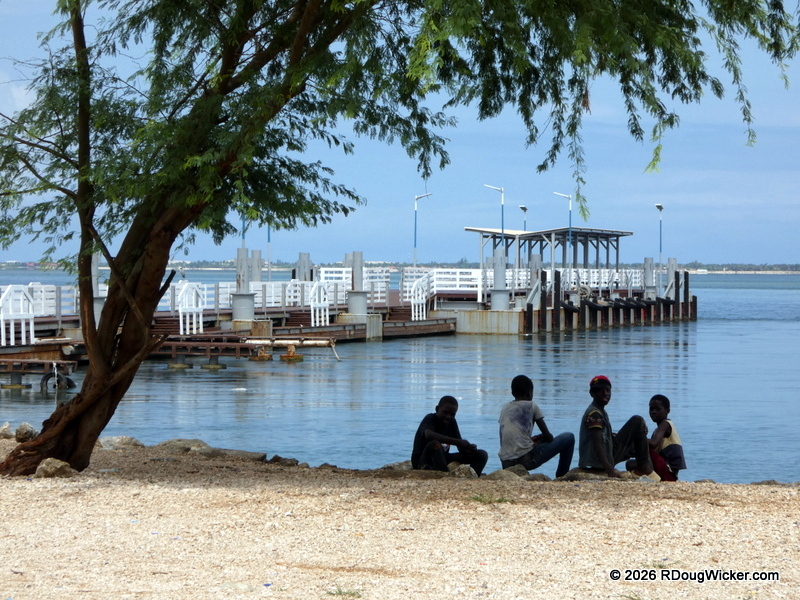
And, yes, the bay is beautiful:
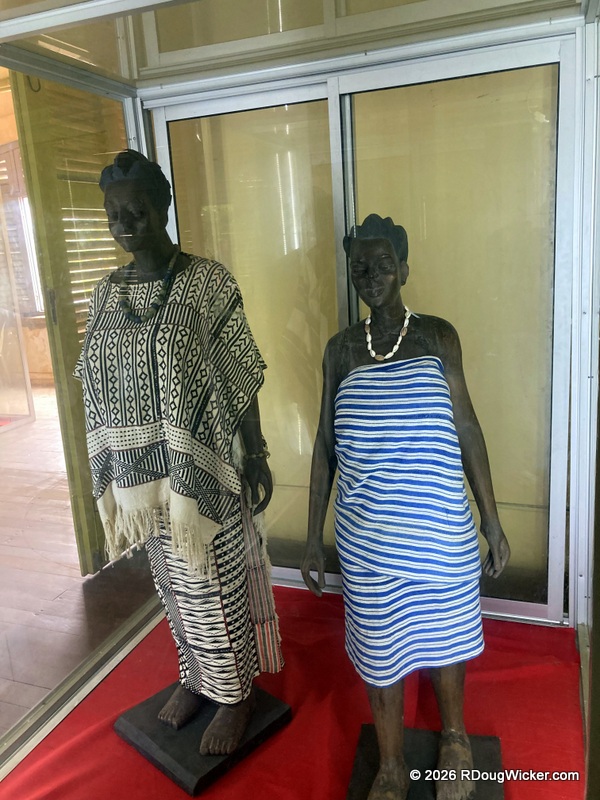
The museum covers two floors, but my knees were up to the task of climbing the steep, narrow stairs. Ursula, however, headed up despite her new knee and wound up with these shots (Ursula loves textiles and masks):
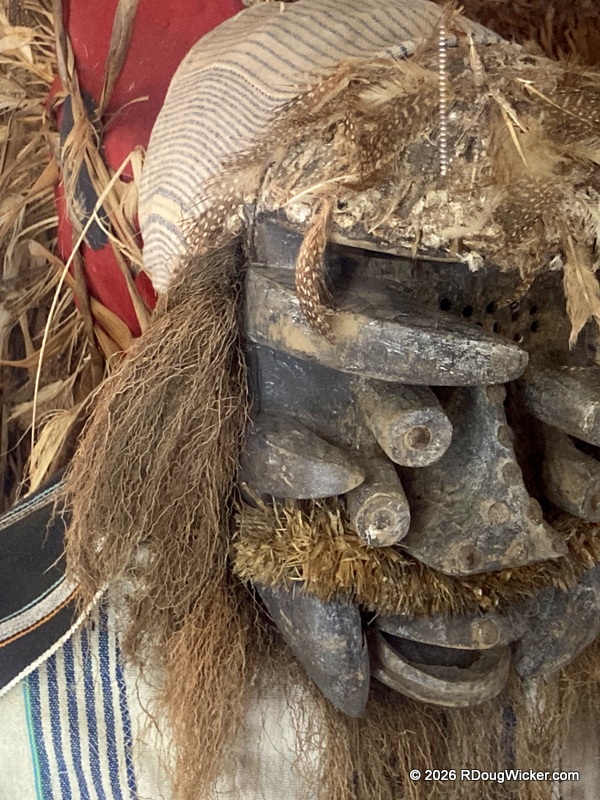
Three last images of the museum before calling it quits for today:
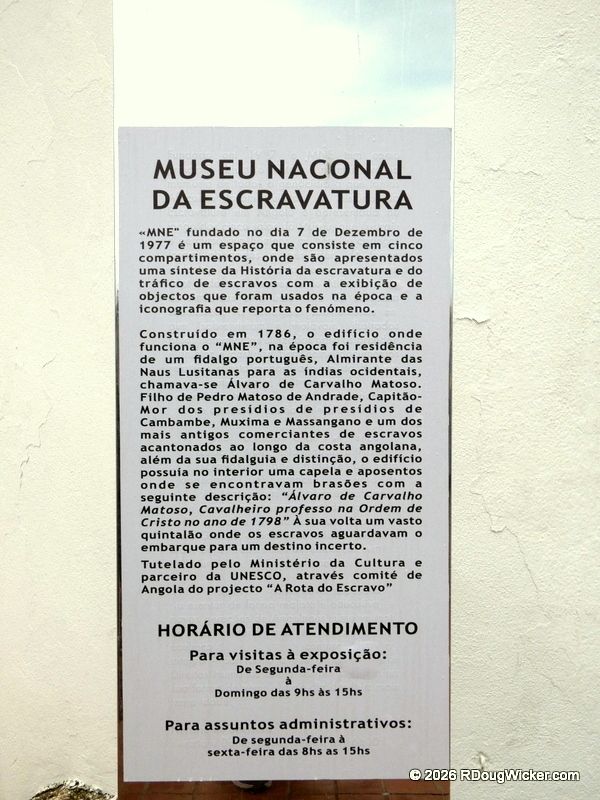
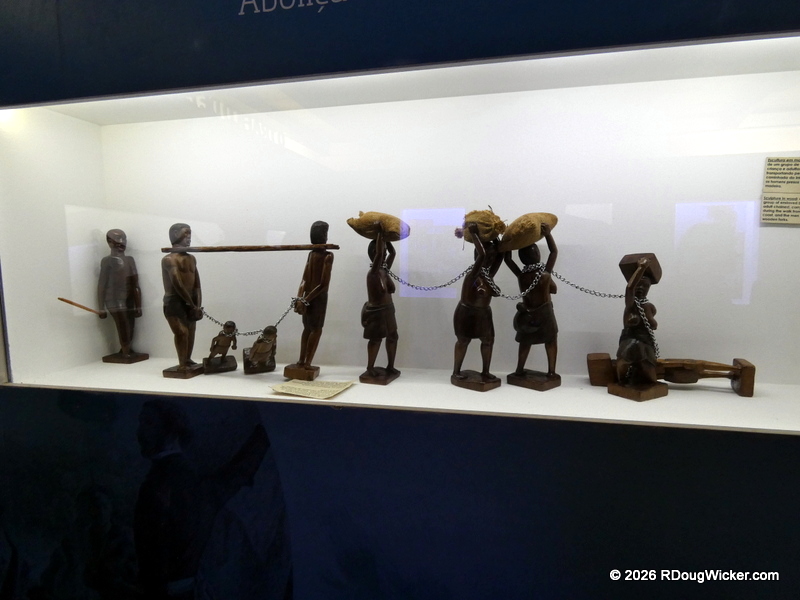
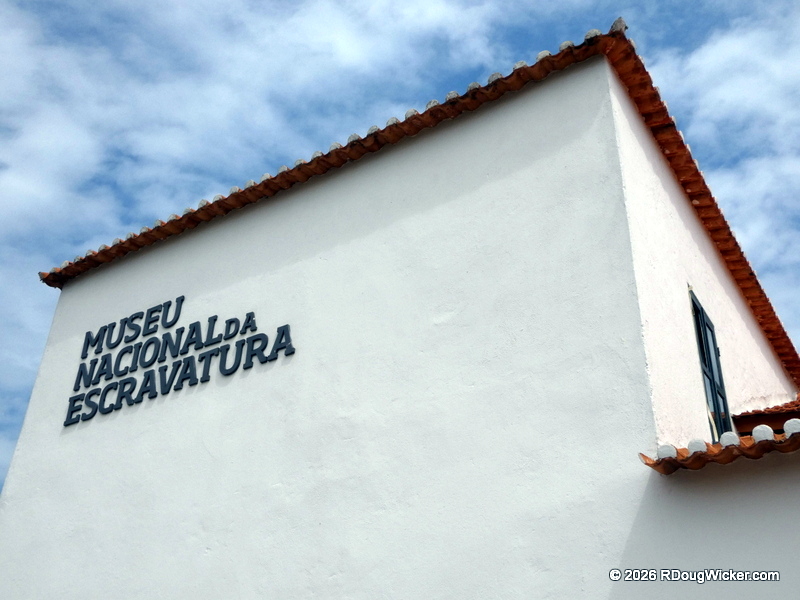
Слава Україні! (Slava Ukraini!)
Comments Off on Angola — Luanda; António Agostinho Neto Memorial and National Museum of Slavery
Filed under R. Doug Wicker, travel, vacation
 Decisions — Murder in Paradise
Mystery novel available for Kindle
0
Decisions — Murder in Paradise
Mystery novel available for Kindle
0 The Globe — Murder in Luxury
Mystery novel available for Kindle
0
The Globe — Murder in Luxury
Mystery novel available for Kindle
0 R. Doug Wicker — Author