

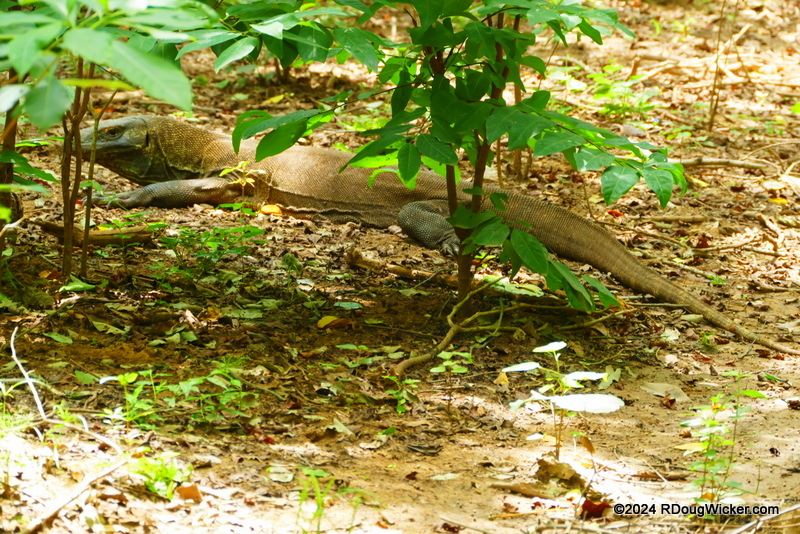
The Indonesian island of Komodo is home to a very special species of monitor lizard. Monitors are the native to Africa, the Middle East, the Indian subcontinent, and Oceana clear down to Australia, although one the West African Nile monitor has gotten a foothold here in the U.S. due to irresponsible pet ownership.
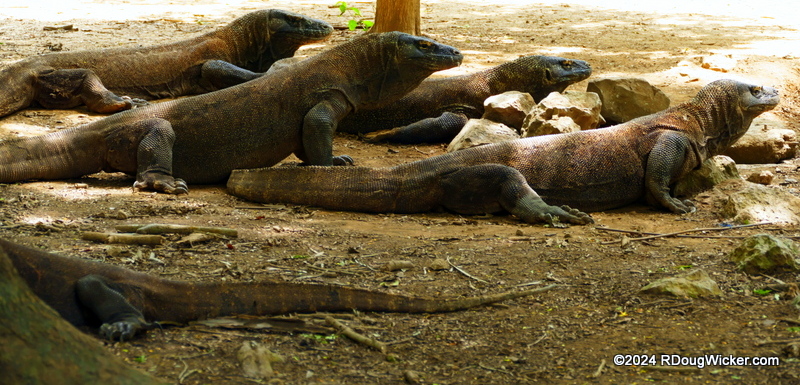
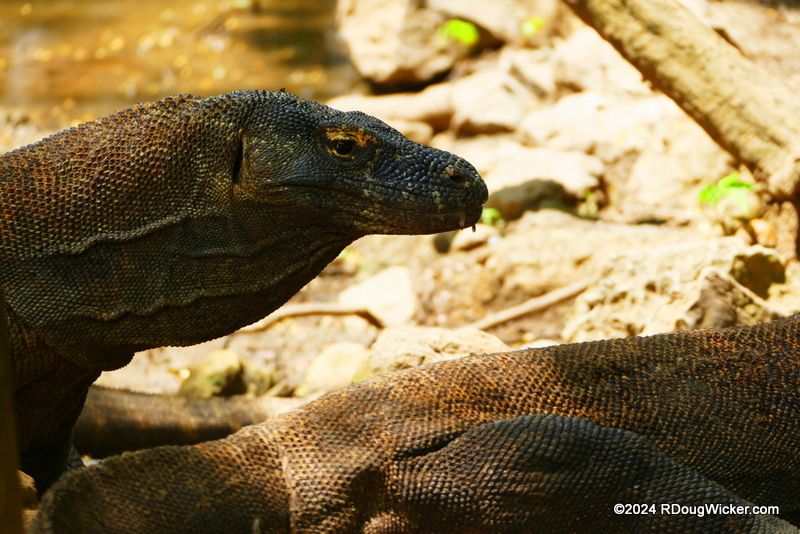
But out of the eighty or so species of monitors, one in particular stands out because of its immense size. The largest monitor on the planet is the Komodo dragon of Indonesia. This patient killer comes equipped with a venomous bite that seldom kills its prey outright. The venom prevents blood clotting, which leads the victim to eventually go into shock from blood loss. So the Komodo dragon stalks patiently after injecting the venom, as well as a toxic stew of bacteria, waiting for the victim to succumb.
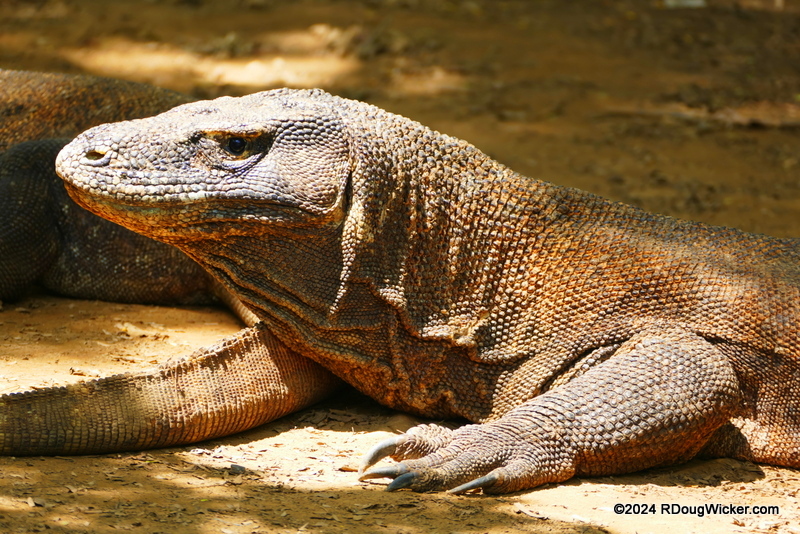
If all this sounds new to you, there’s a reason for that. Up until as recently as 2009 it was believed that bacteria from the mouth of the Komodo dragon was sole reason its prey succumbed to the dragon’s bite. I remember reading that when I was very young. This belief changed when glands in the lower mouth were discovered. Analysis of these glands revealed that they secret an anticoagulant protein into the dragon’s saliva. But debate rages as to which kills you first — blood loss from that anticoagulant, or blood loss from the trauma caused by this lizard’s sixty huge, serrated, scimitar-shaped teeth. Or perhaps the old texts had it right all along, and it’s just that toxic brew of bacteria feeding on the rotting flesh wedged between all those teeth that’ll cause you to eventually keel over.
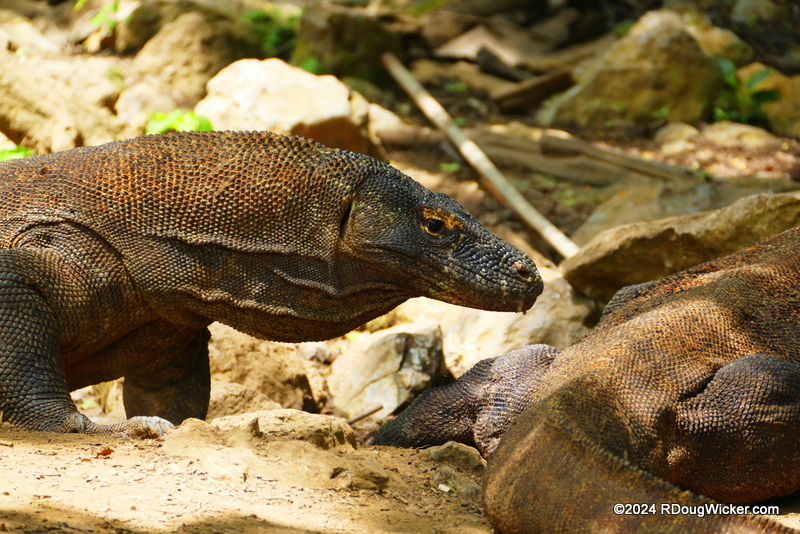
These giant, venous lizards have other tricks up their scaly sleeves, as well. As is common among many lizards and snake, the Komodo dragon possesses a very sensitive sense of smell. Or, to be bit more precise, they taste the air around them. This sense is finely tuned that the dragon track its dead prey up to nearly 6 miles/9.5km away. Patient little (?) beast.

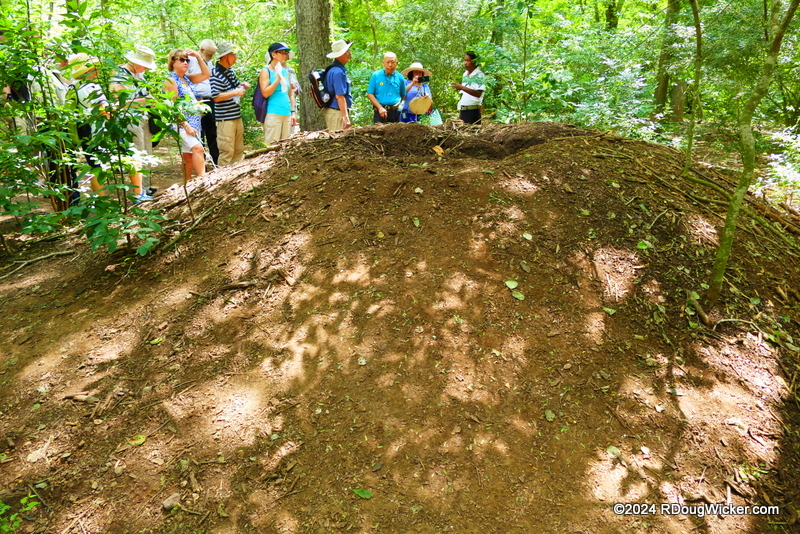
Komodo dragons won’t make parents of the year. They are cannibalistic toward younger dragons. This prompts mom to find a place to hide her eggs and give the young’uns a fighting chance after they emerge. Dragons bury their eggs in large mounds, and frequently those mounds are recycled nests of the orange-footed scrubfowl. These birds build nesting mounds that can measure as much as 15 feet/4.5 meters tall and stretch up to 30 feet/9 meters across.

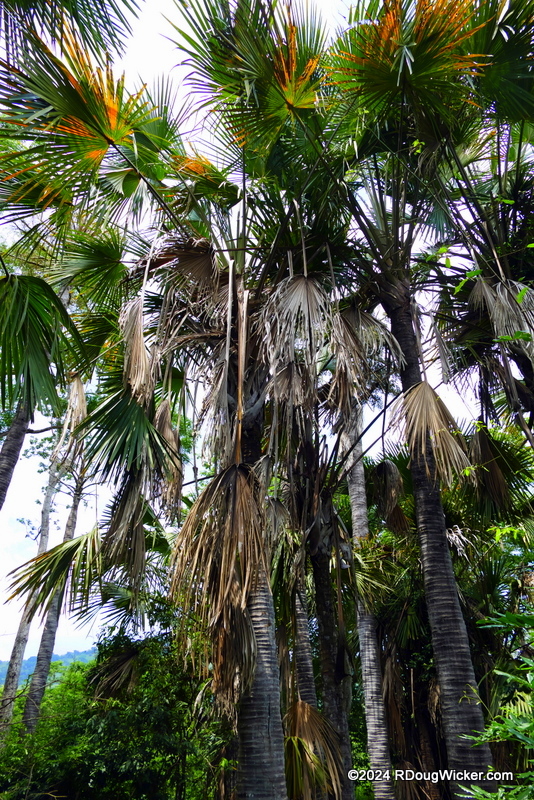
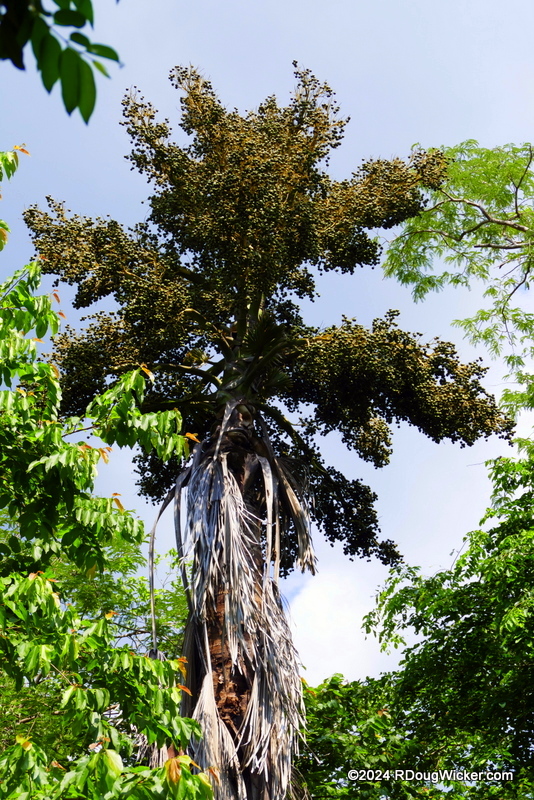
Of course, Komodo isn’t all about deadly lizards. It also has its beautiful side:

Just beware that death may await those who venture further inland:

Слава Україні! (Slava Ukraini!)









 Decisions — Murder in Paradise
 The Globe — Murder in Luxury
 R. Doug Wicker — Author