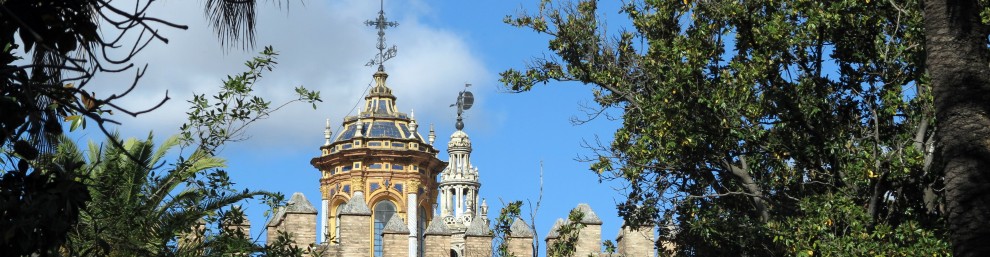
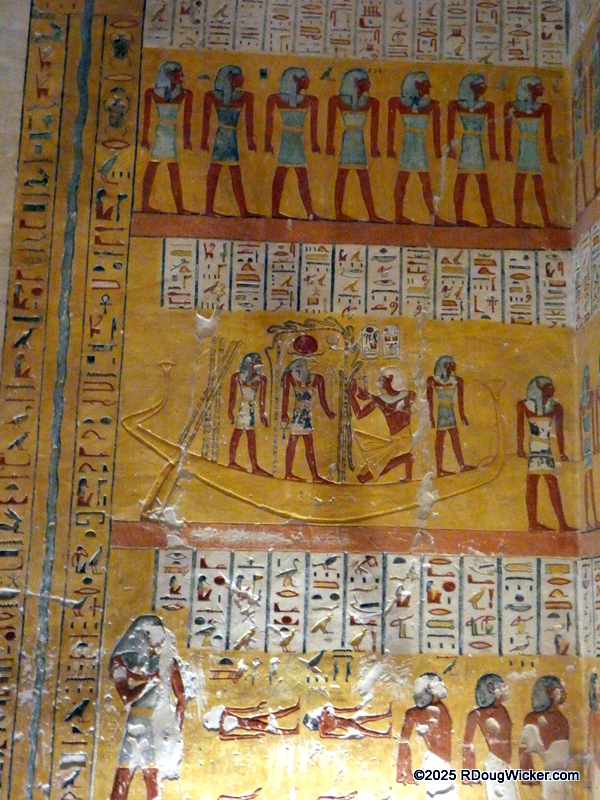
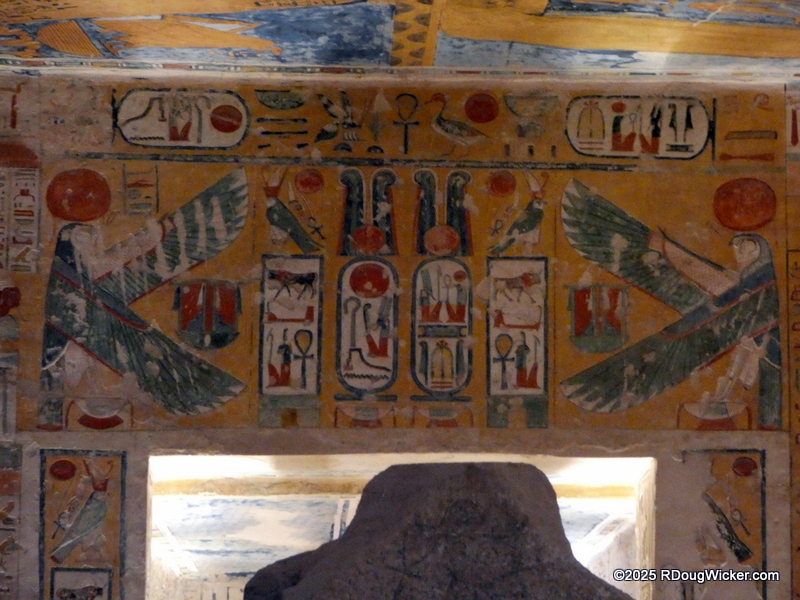
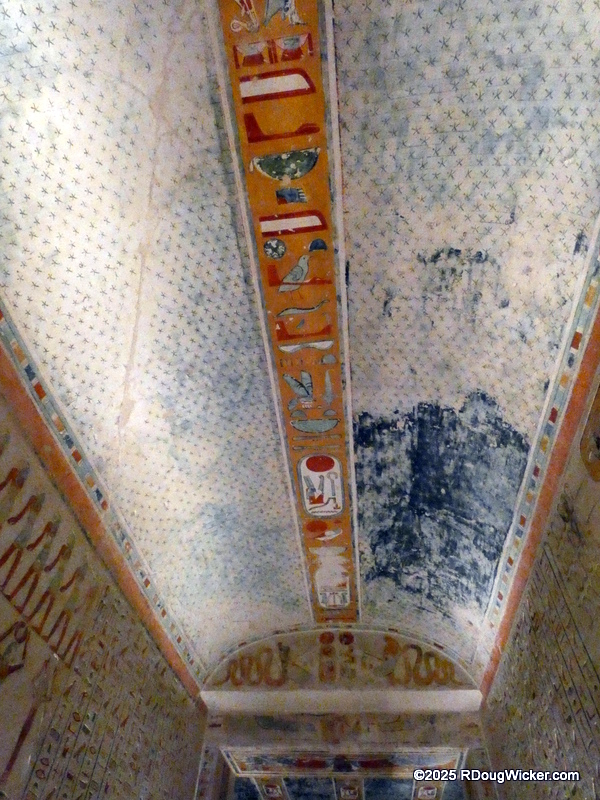
Today’s Fun Photo Friday features more Valley of the King favorites:
Слава Україні! (Slava Ukraini!)
Today’s Fun Photo Friday features more Valley of the King favorites:
Слава Україні! (Slava Ukraini!)
Comments Off on Fun Photo Friday — Valley of the Kings Favorites 2
Filed under Fun Photo Friday, Photography, R. Doug Wicker, travel, vacation
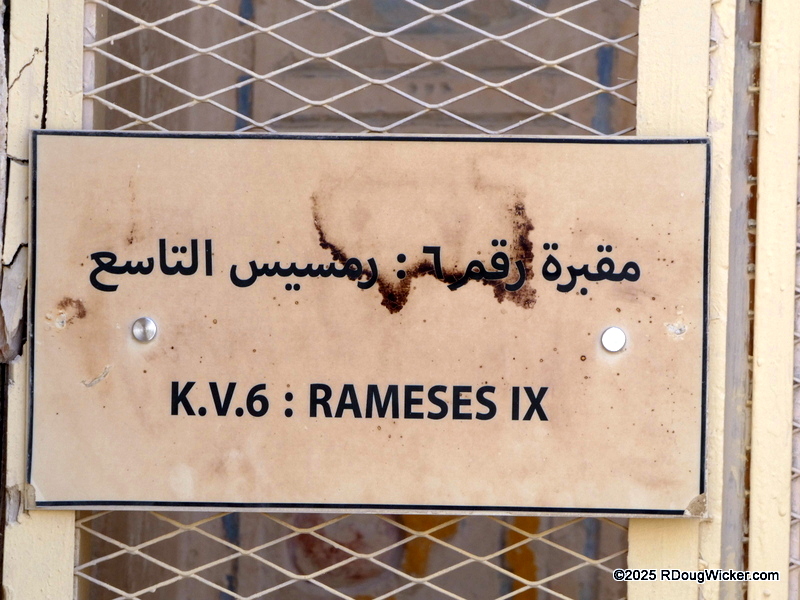
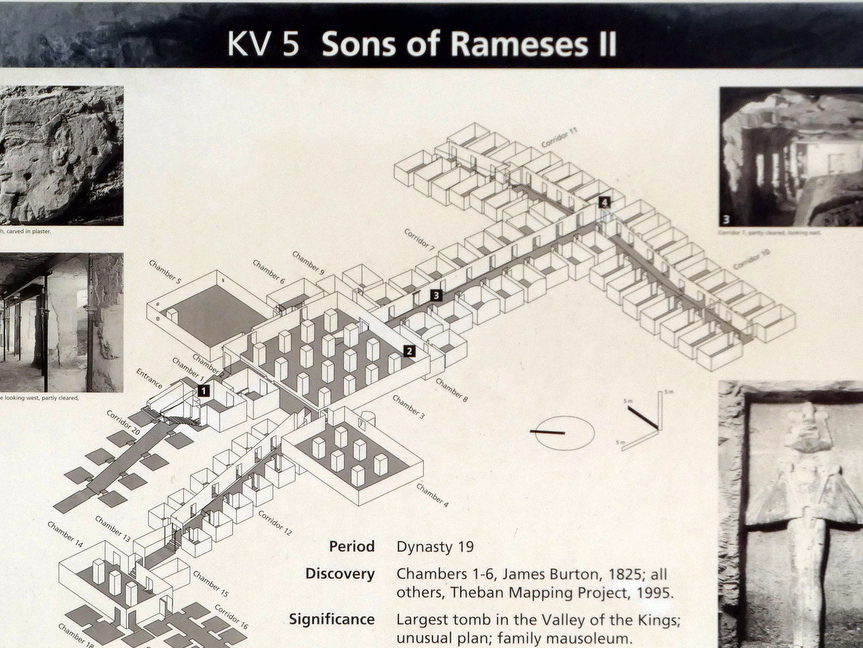
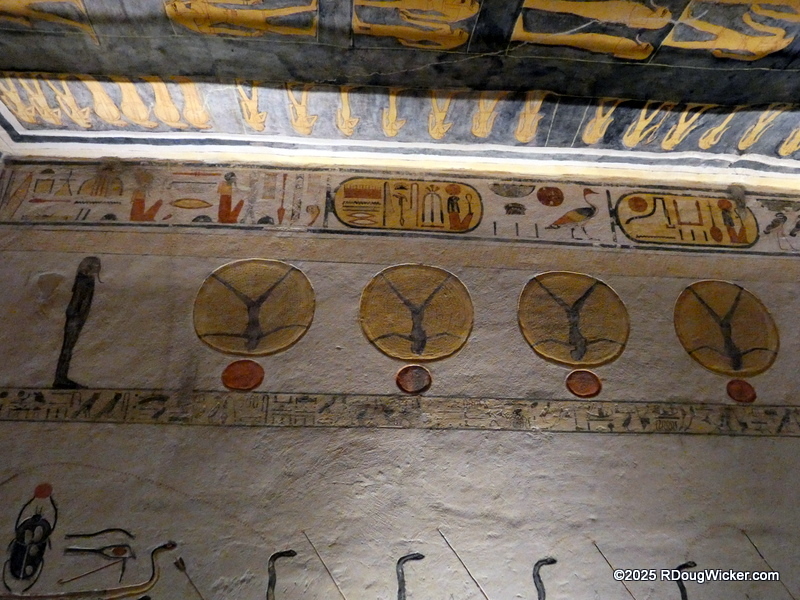
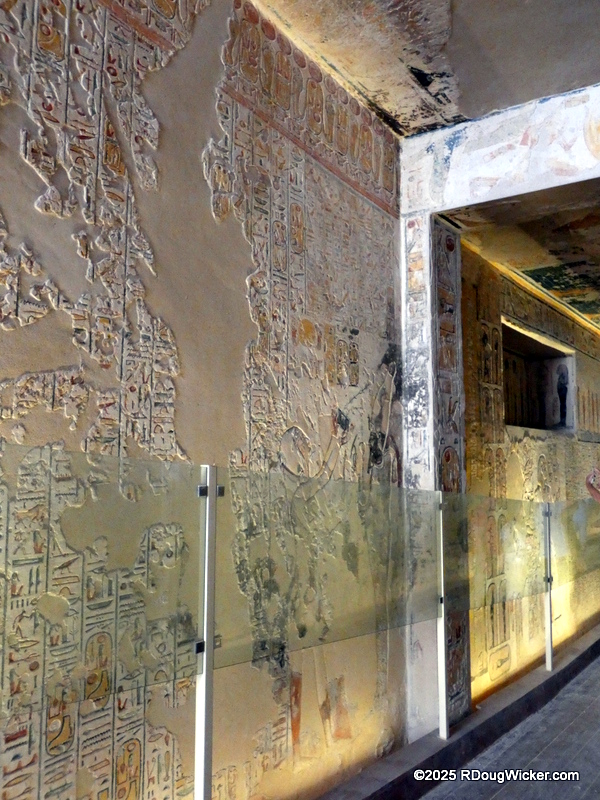
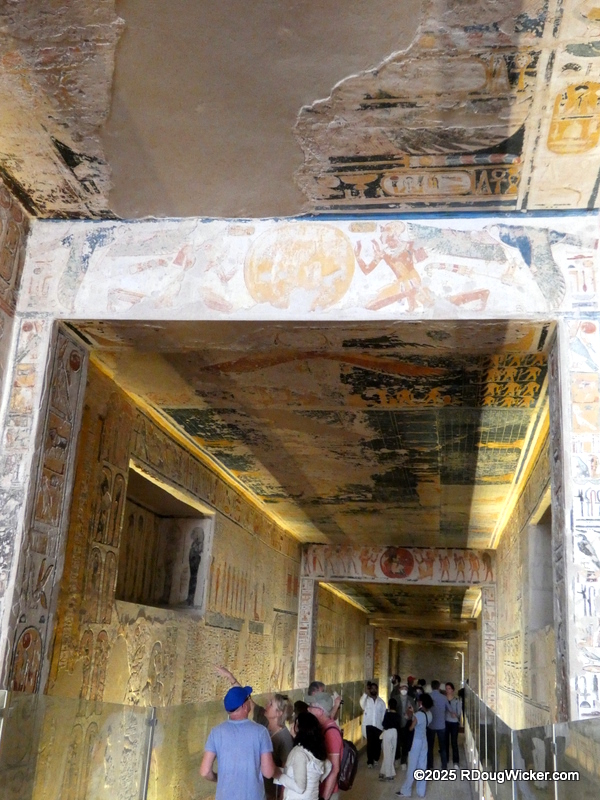
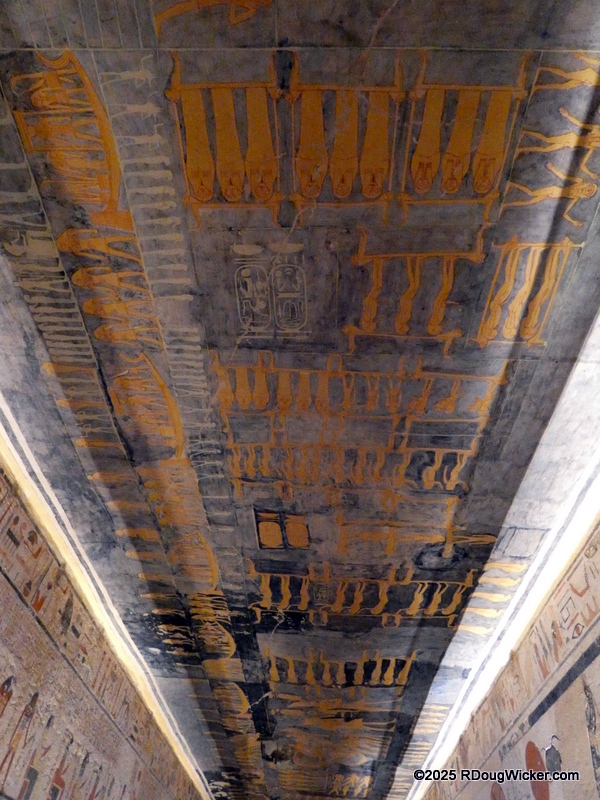
How many Ramasseses does it take to rule Ancient Egypt? A lot, apparently. Eleven, to be more precise. And all eleven ruled during the New Kingdom. This “Ramesside Period” started at the beginning of the Nineteenth Dynasty and concluded at the end of the Twentieth Dynasty, running from 1292 BC to 1077 BC. One of the latter Ramesses pharaohs was Ramasses IX, whose ruled from 1129 BC to 1111 BC. It is his tomb, KV6, which I shall show you today. But before we enter, let’s take a look at the diagram of the even more impressive, but closed to the public, KV5, which is still be explored. As of 2006, 130 chambers have been discovered within its depths:
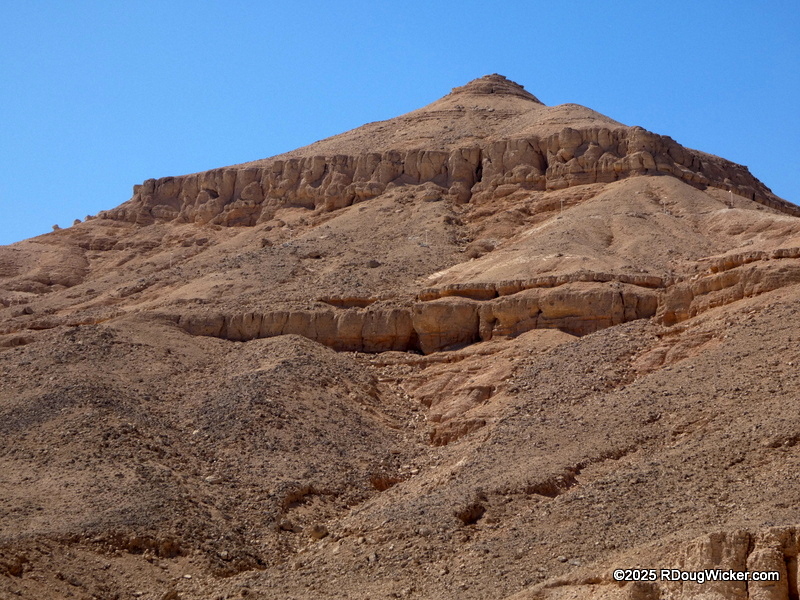
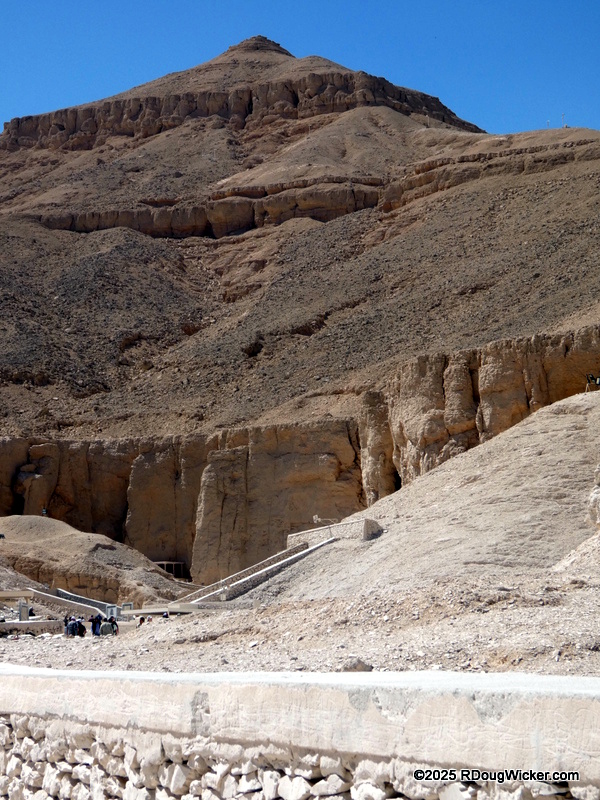
Oh, one more thing I’ll mention before taking you inside KV6. Last week I told you that this necropolis was chosen in part because there is a massive, pyramid-shaped mountain towering above it. Behold El Qurn, the “Pyramid” standing over the Valley of the Kings:
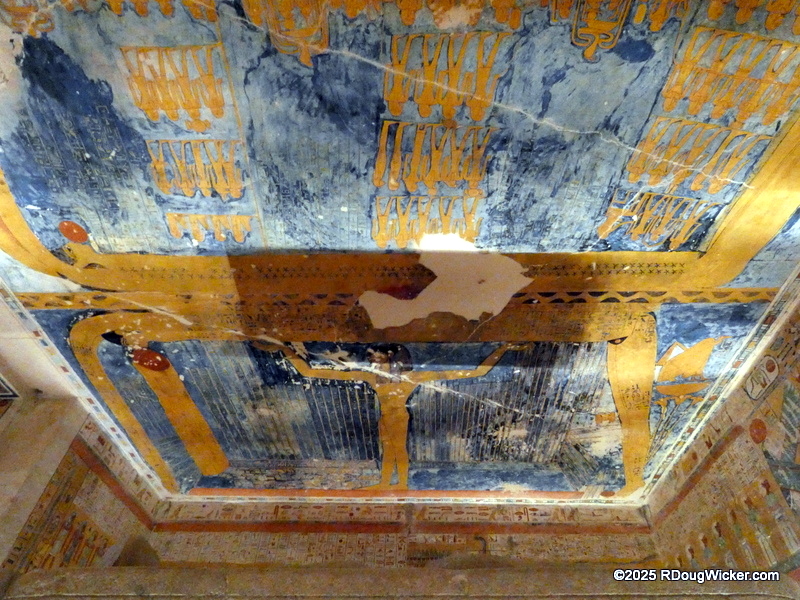
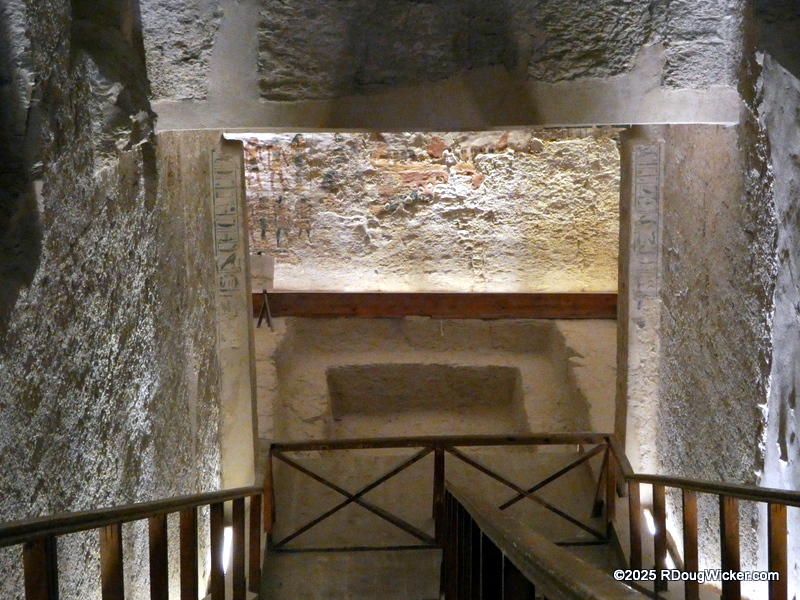
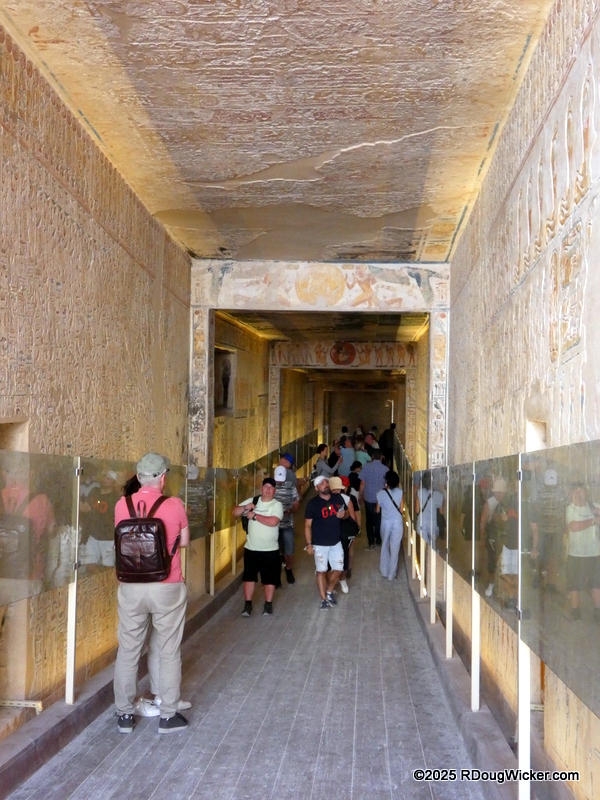
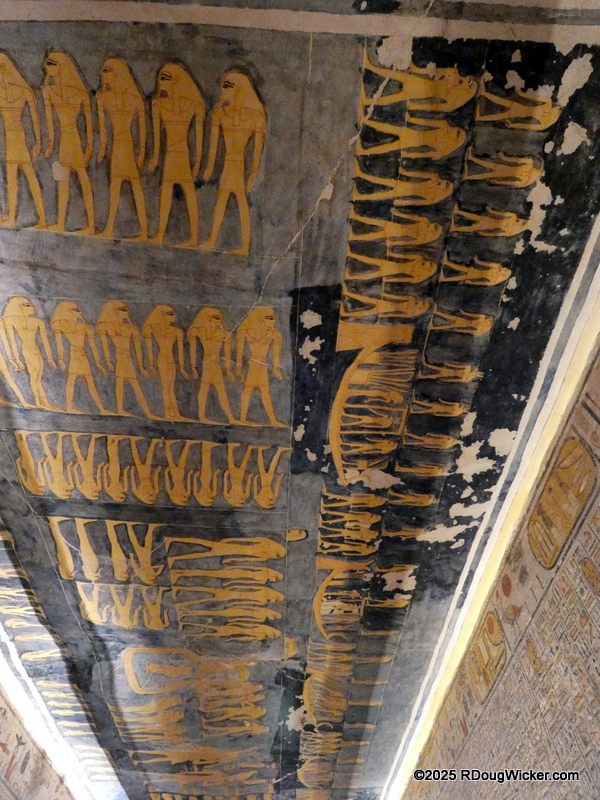
Now let us proceed into the depths of KV6:
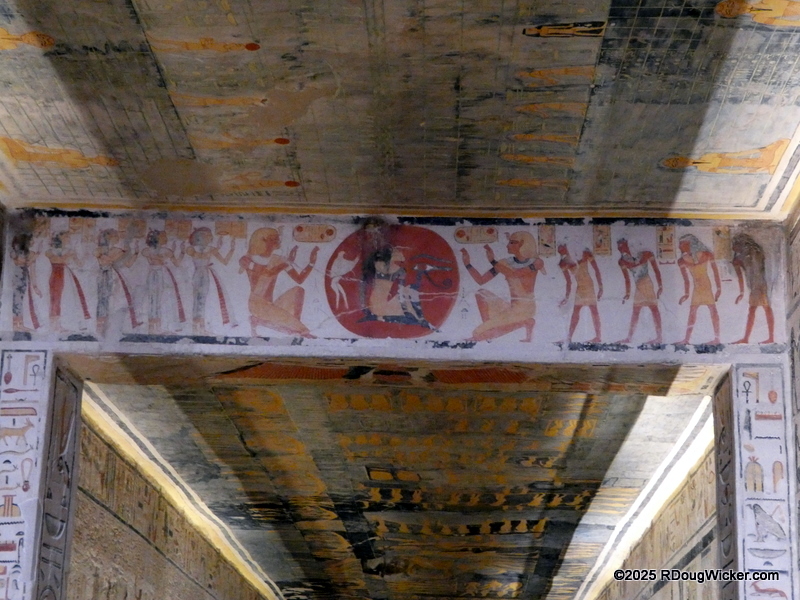
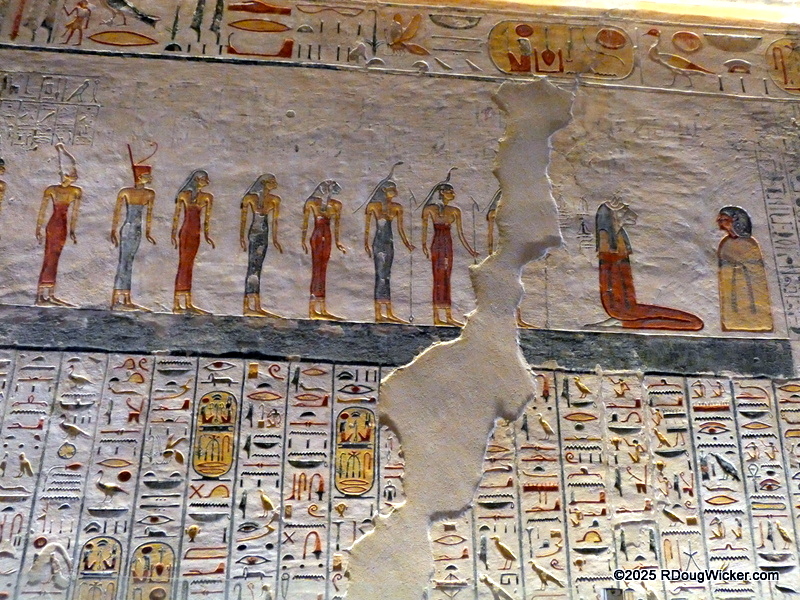
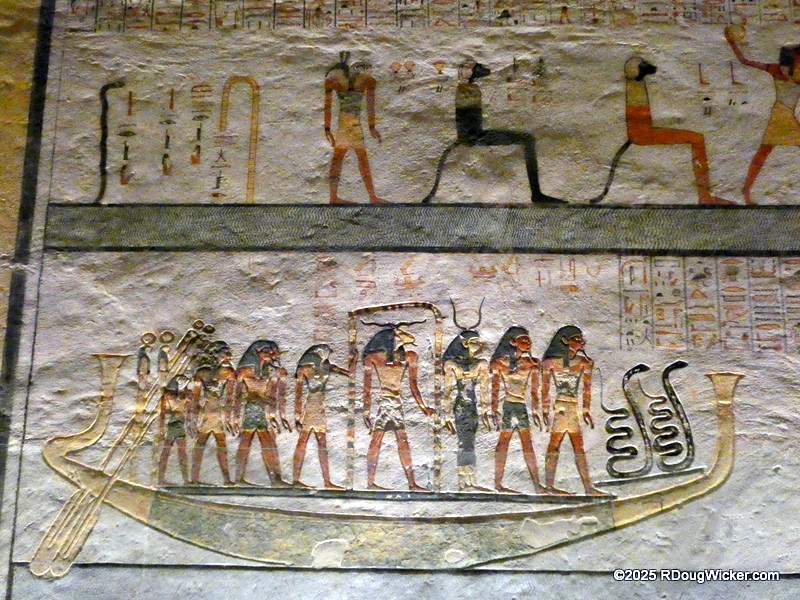
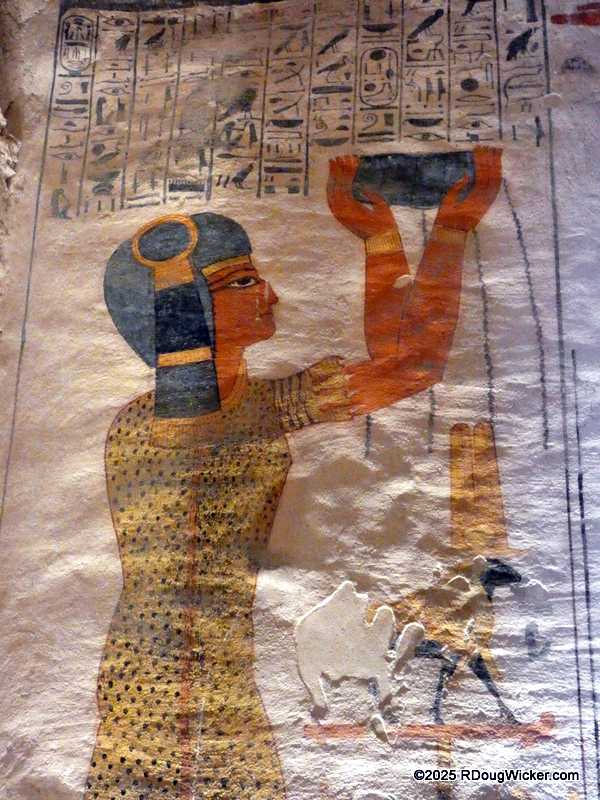
Слава Україні! (Slava Ukraini!)
Comments Off on Nile Cruise — Valley of the Kings; El Qurn “Pyramid” and Entering the Tomb of Ramesses IX
Filed under Photography, R. Doug Wicker, travel, vacation
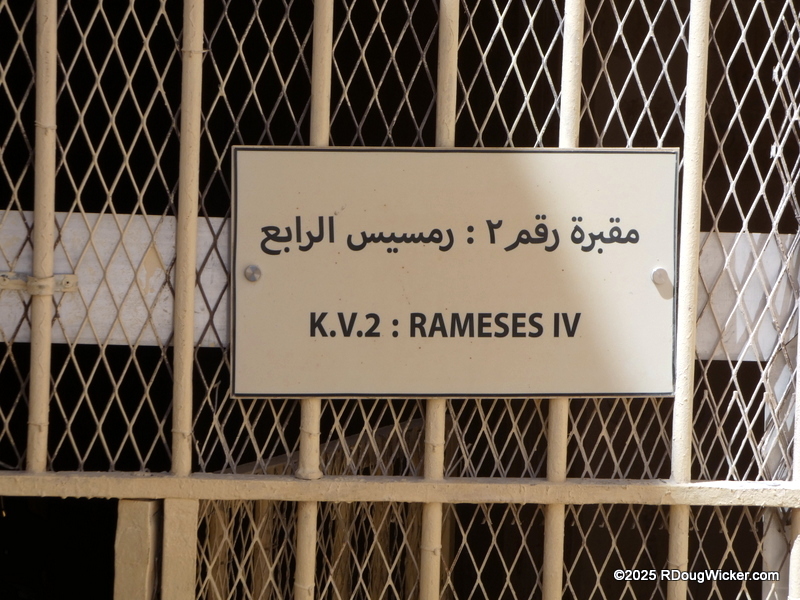
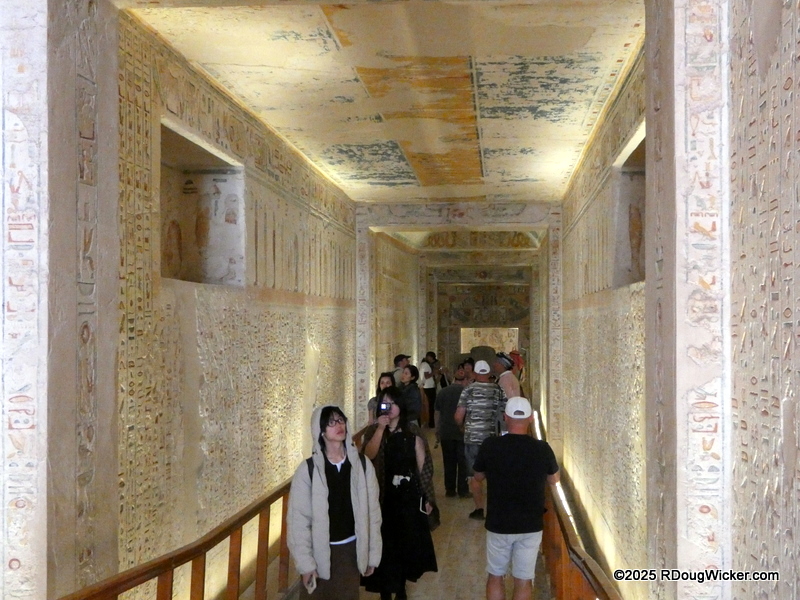
Last Wednesday I referred to KV5, the tomb of Ramesses II of Abu Simbel fame. In the picture above you’ll see the sign posted above the entrance to KV2, the tomb of Ramesses (Rameses) IV. In case you’re wondering how this numbering system works, KV refers to Kings’ Valley, and the numbering began with the designations of the first 21 tombs discovered in the east valley. Tombs in the west valley were originally designated WV1 through WV4, but were later incorporated into the KV system as KV22 through KV25. As more tombs were discovered, the list grew. For instance, the most famous tomb, because it was untouched by tomb robbers, is that of Tutankhamun (i.e., “King Tut”), and his tomb is designated KV62 upon its 1922 discovery by Howard Carter. The list has grown with the addition of KV63 (discovered in 2005), originally thought to be a tomb but now believed to have been a storage facility for mummification; and KV64 (discovered 2011; excavated 2012) — the tomb of Egyptian Priestess Nehmes Bastet of the Twenty-second Dynasty. Before we head down into KV2, let’s see what awaits us:
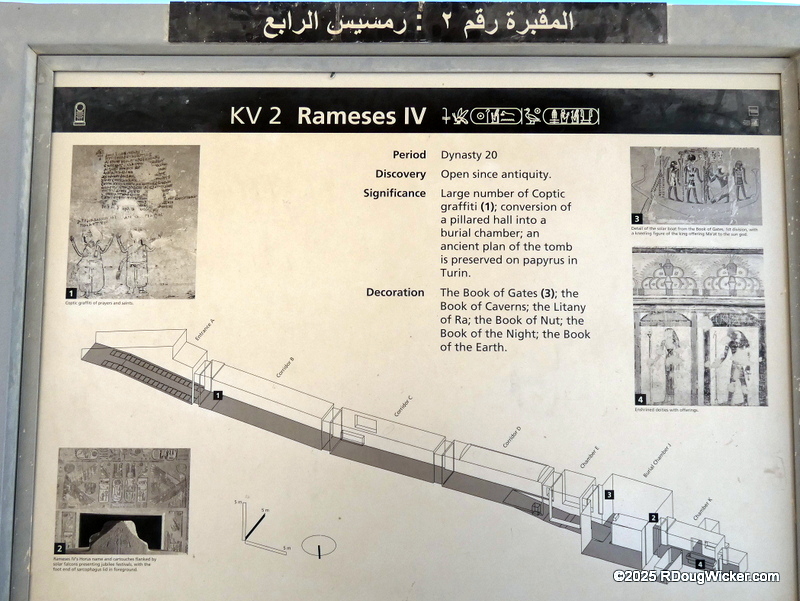
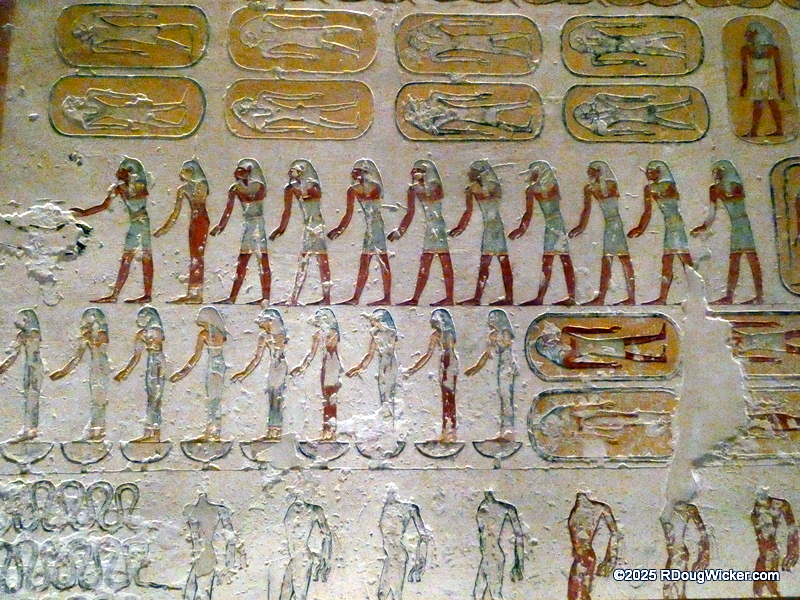
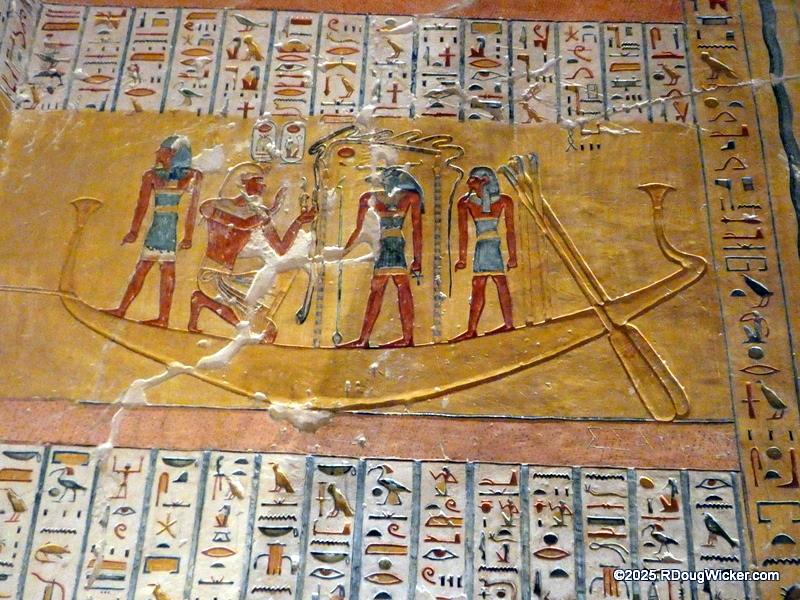
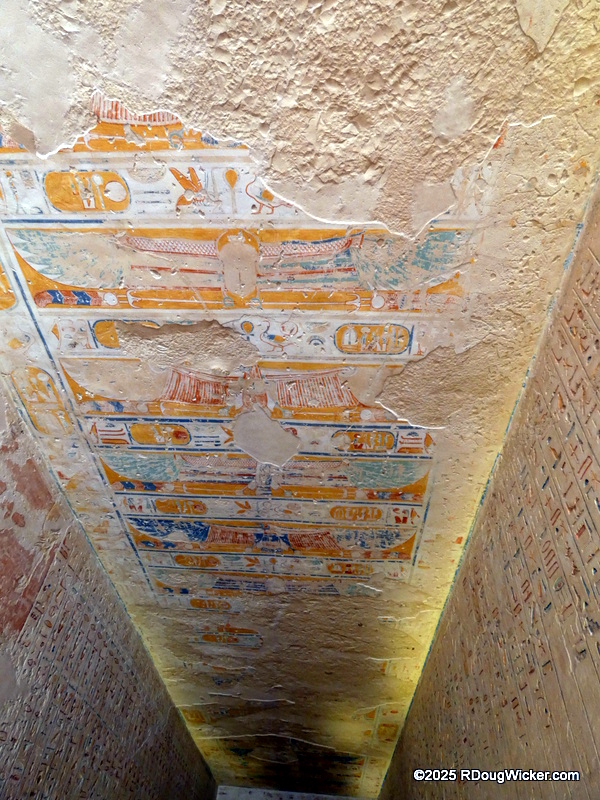
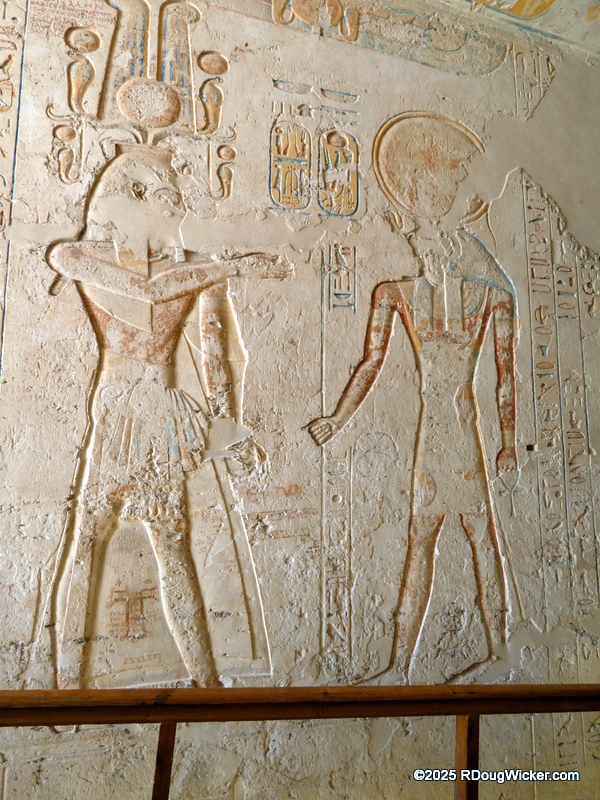
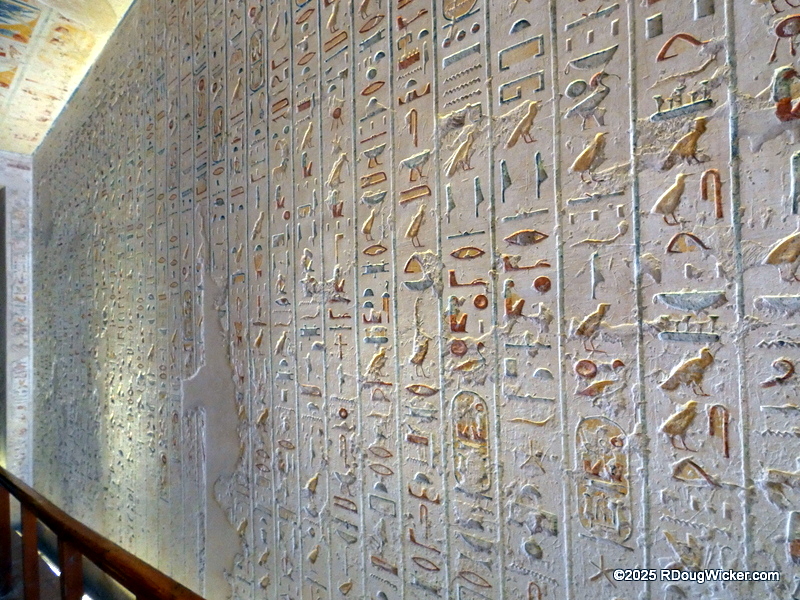
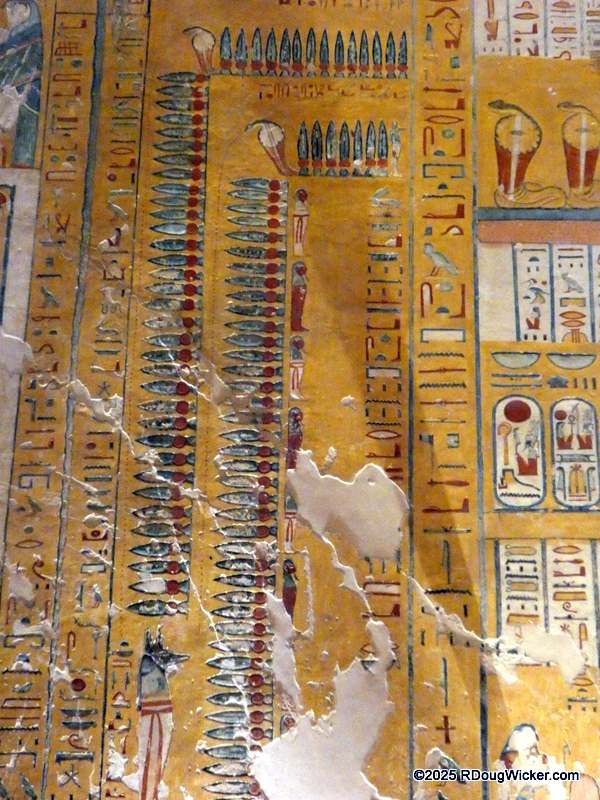
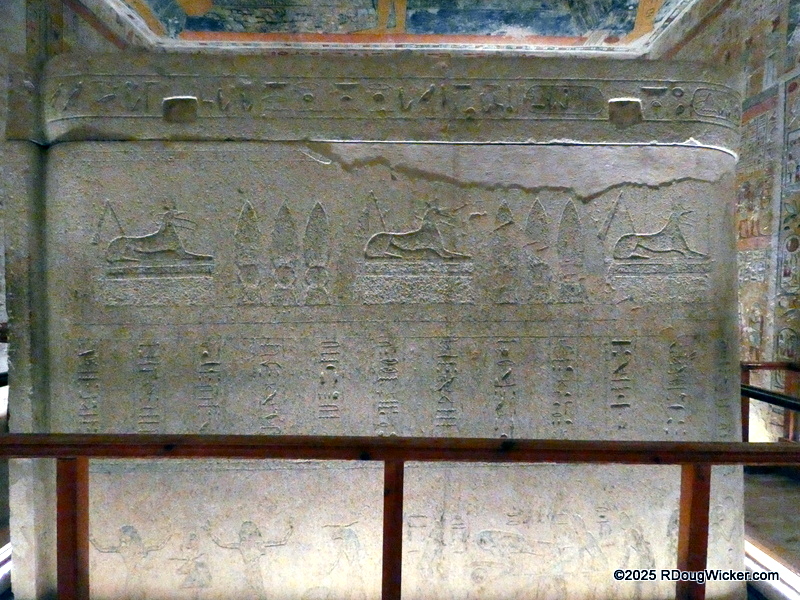
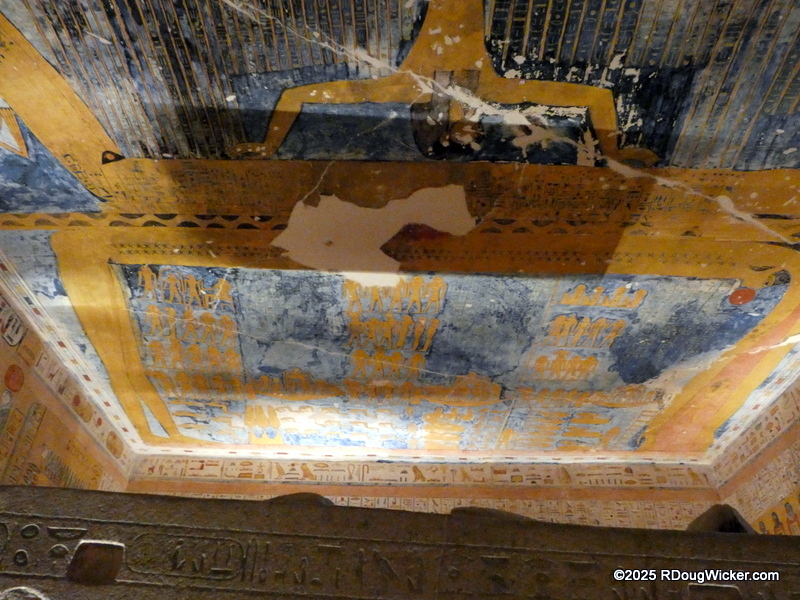
And here are the views you’ll find deep within KV2:
Слава Україні! (Slava Ukraini!)
Comments Off on Nile Cruise — Valley of the Kings; Entering the Tomb of Ramesses IV
Filed under Photography, R. Doug Wicker, travel, vacation
 Decisions — Murder in Paradise
Mystery novel available for Kindle
0
Decisions — Murder in Paradise
Mystery novel available for Kindle
0 The Globe — Murder in Luxury
Mystery novel available for Kindle
0
The Globe — Murder in Luxury
Mystery novel available for Kindle
0 R. Doug Wicker — Author