Châteauneuf-du-Pape, A Red for All Reasons


I mentioned in my blog on Bordeaux-Style Wines that red Bordeaux is, “Probably THE Classic French Wine.”  There is in my opinion, however, another French red wine that is at least as good, if not better.  That would be the incomparable but  not widely known Châteauneuf-du-Pape, named after a small village in the southern portion of France’s Rhone river valley region.  But whereas the Bordeaux uses as it base grape Cabernet Sauvignon, the Châteauneuf-du-Pape derives its character from the Grenache, blended with Syrah and Mourvèdre.  Remember the first letters of those three grapes, as that’ll come in handy in just a moment.  Other grapes blended with the base Grenache may include Cinsault, Cournoise, Muscardin and, to lesser degrees, Picardan, Picpoul, Roussanne, Terret Noir, and Vaccarese.

Châteauneuf-du-Pape is very full-bodied and considerably tannic in nature. Thus it benefits greatly from aging.  And because if this full-bodied, tannic nature, Châteauneuf-du-Pape pairs very well with many of the same meats as does Bordeaux, in particular beef, lamb, and game.  But unlike Bordeaux, Châteauneuf-du-Pape also takes on the spicier dishes with ease because of the greater Syrah component.  Think chili, stew, beef bourguignonne, and even many tomato-based Italian dishes including pastas.   At the other end of the spectrum, and something you definitely wouldn’t want to try routinely with Bordeaux, are pairings with tomato-based shellfish dishes and, really surprisingly, pork and chicken dishes that would normally benefit from a much lighter red such as Burgundy (Pinot Noir) or one of the fuller-bodied whites such as Chardonnay or Sauvignon Blanc.  This makes Châteauneuf-du-Pape a much more versatile wine than its more famous but comparatively restrictive Bordeaux neighbor.  This is one red that allows the home chef to do some really creative pairings without too much worry of clashing.

Although Châteauneuf-du-Pape prices have been following the downward trend of other French wines in recent years, they are still not what I consider a great buy despite their versatility.  Fortunately, as with Bordeaux, you do have alternatives.  The Grenache grape thrives in warm, dry climates and as a result has been planted extensively around the world.  Notable examples include California’s San Joaquin Valley, Eastern Spain (where it’s called Garnacha), Southern Italy, and very importantly Southern Australia, particularly in the McLaren Vale, and Barossa Valley appellations.  And it is from Southern Australia where you make your best deals on a very good, reasonably priced Châteauneuf-style red.

As with Bordeaux, Châteauneuf-du-Pape is a registered name and thus it cannot be used in the marketing of similar Grenache-based red blends originating from beyond the Châteauneuf-du-Pape region of France.  So, Australian vineyards routinely market their version of this wine as a GSM.  Do those letters sound familiar?  They should.  I asked at the beginning of this article that you remember the first letters of the three most important grapes for this style of wine—Grenache, Syrah, and Mourvèdre.  Armed with this knowledge and a good wine rating (I personally use Wine Spectator as I’ve found their tastes come closest to matching my own) you now have all the information you require to find a comparable wine at a fraction of the cost of the original, and Costco is a great place to find a wide selection of Australian GSMs from which to choose.

If you love red wines but haven’t tried a Châteauneuf-du-Pape, you owe it to yourself to give this style of wine a try.  You’ll be very glad you did.

2 Comments

Filed under Wine & Food

Frugal eReader Contest


I’m sure many people visiting here would love to have a new free Kindle WiFi.  Now’s your chance.  Go to the Frugal eReader New Kindle WiFi Giveaway and enter right away!

Good Luck!


Comments Off on Frugal eReader Contest

Filed under Books, eReaders, Giveaways

Breaking the LAW . . . And Getting Away With It!


“Hey, buddy, you know how fast you just blew through that Rule-of-Thirds zone?  Didn’t you see that sign?”

“Uh . . . yeah, Ossifer O’Hallihan, but—”

“Hey! You been drinking, buddy?”

“No.  Well . . . yeah.  But I only had tee martoonis.  Besides, I had a perfectly good reason for doing halves in that thirds zone.”

“Well, let’s hear it.  And this better be good.”

I knew it would raise a few hackles when I wrote in a previous blog that the Rule of Thirds isn’t just a good rule, but rather it’s the LAW!  Nothing like a little controversy to boost your blog traffic and, yes, I did get a few to bite.  I made that statement for two reasons.  First, I wanted those who don’t use the Rule of Thirds to start thinking of it as “law” so that they would see an immediate improvement in their photographs.  Go ahead.  Be honest about it.  If you followed that piece of advice that’s exactly what you achieved, now isn’t it.  Secondly, I wanted at a later date to show that there are no hard-and-fast “laws” in photography, or any other creative art for that matter.  Thus, I always intended to follow up that article with one or more on breaking the “Law” of Thirds.  But as with any endeavor in life, you have to know and understand a rule before you can truly comprehend when, why, and how to break that rule.  Just look at Pablo Picasso’s earlier realism period and compare that to how he broke all the “rules” later in his life.

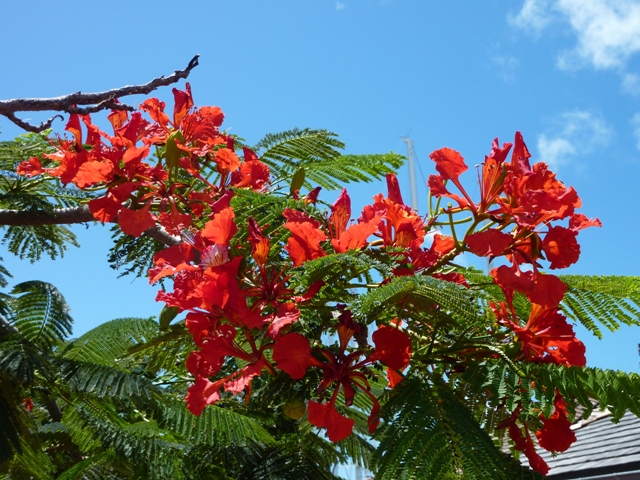
The Rule of Thirds is all about drawing attention to a specific subject through the use of offsetting that subject and using negative space to draw attention to it.  But what if you don’t have good negative space, or what if that space doesn’t enhance the subject?  Right now you’re scratching you head wondering what kind of subject that might be.  How about, oh . . . I don’t know, say, a flower perhaps?  A single, solitary, bright red rose standing out in a sea of green leaves?  Surely, such a subject would not in most cases benefit from the Rule of Thirds, right?  And you would be correct.  In this case, as in the case of a lot of macro-photography (close-range shots), the subject is king, and no amount of negative space or offsetting is going to do anything to enhance that.  Indeed, it will most likely detract from the overall impact of the shot.

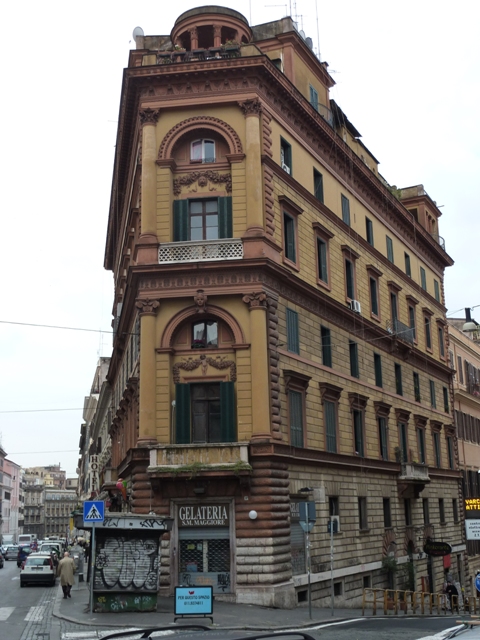
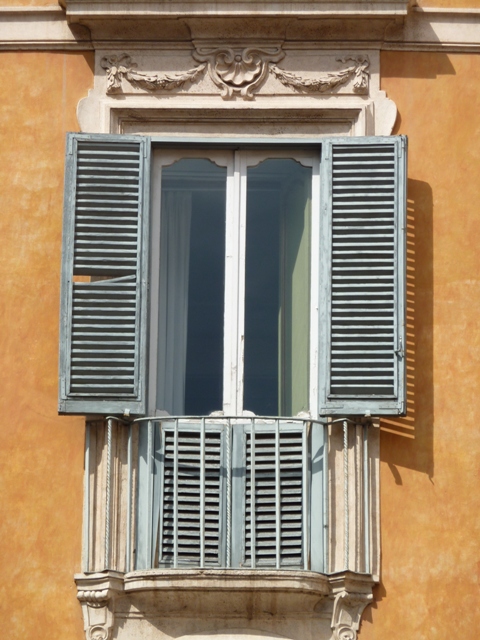
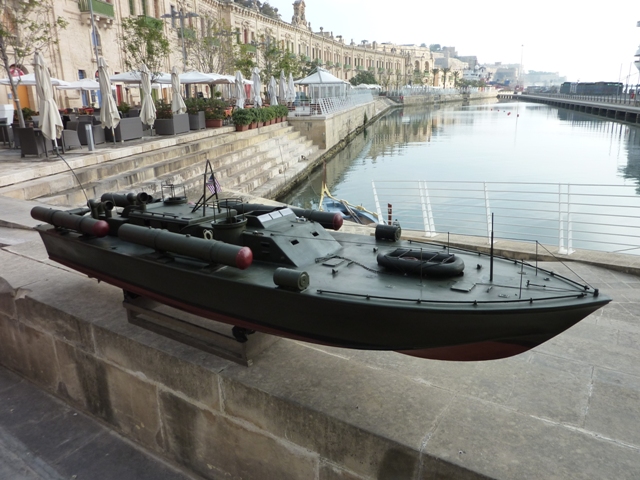
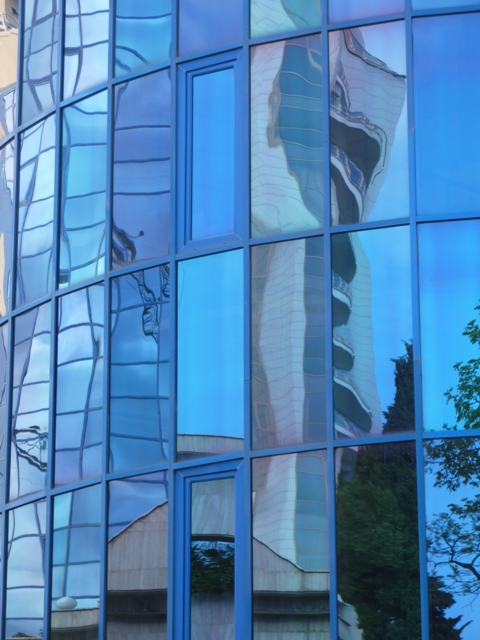
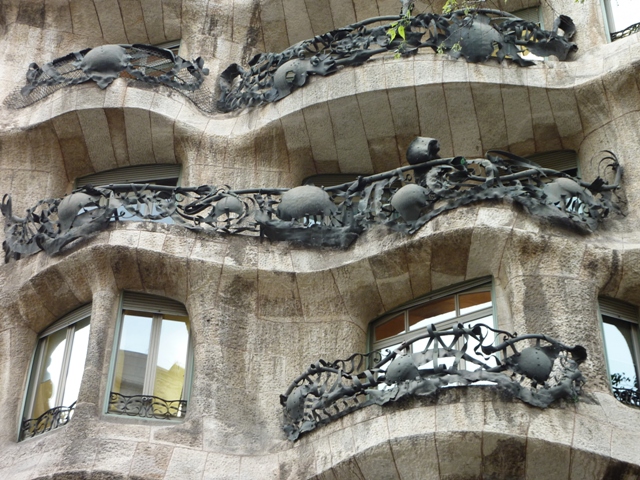
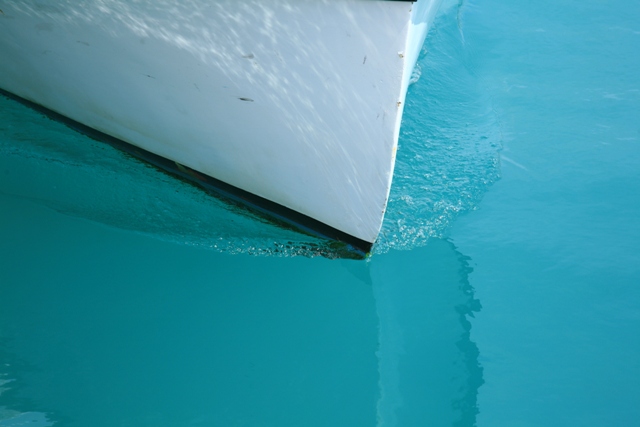
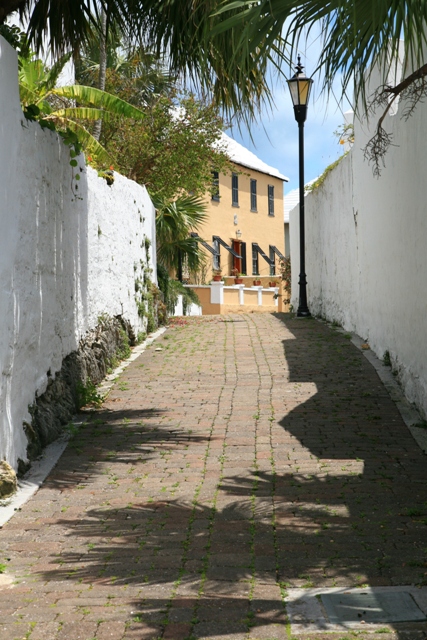
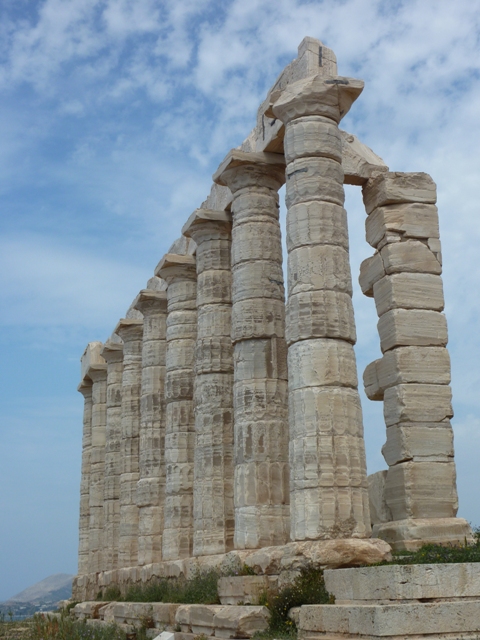
Lines, both natural and manmade, can also at times give your photographs more visual impact than does the Rule of Thirds.  What kind of subjects might these be?  Long alleyways or cobblestone streets framed by buildings, especially when those lines draw the viewer into the picture (although combining those lines with the Rule of Thirds can also be effective), the symmetry of rows and columns of balconies adorning the side of a building, or reflections framed by the individual panels on a glass-covered skyscraper.

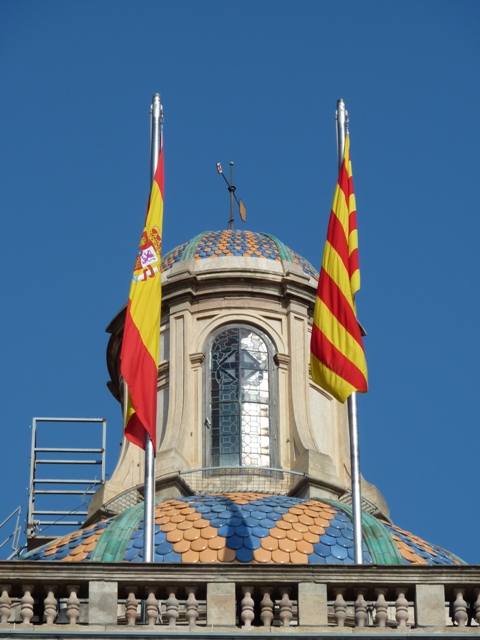
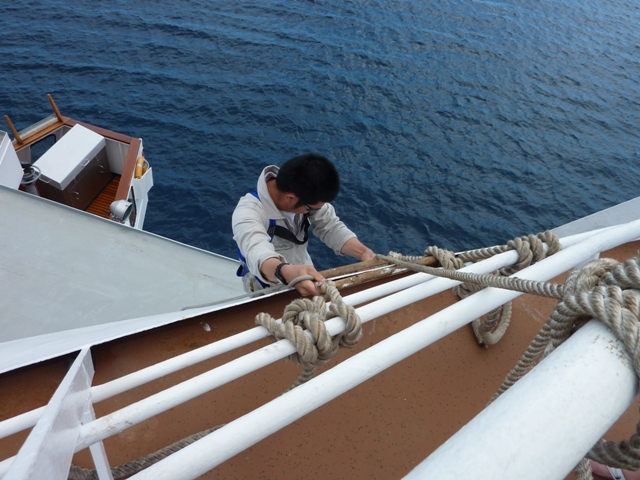
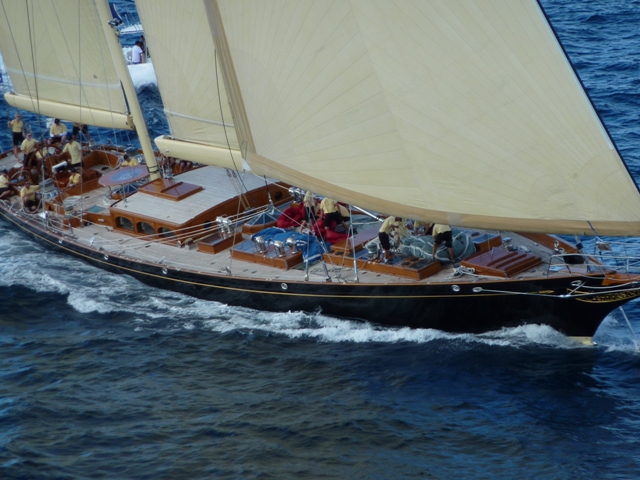
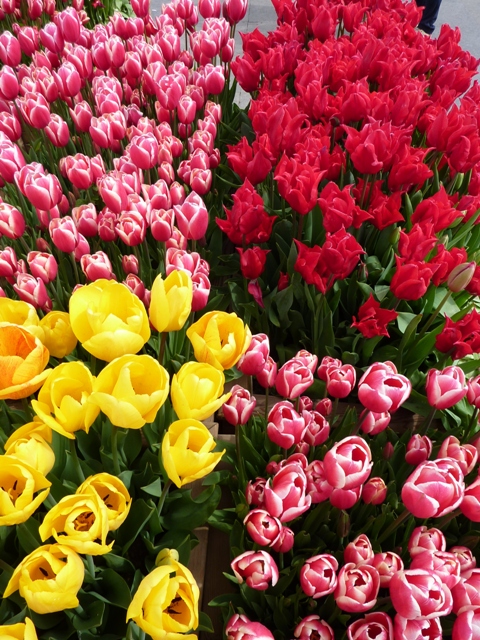
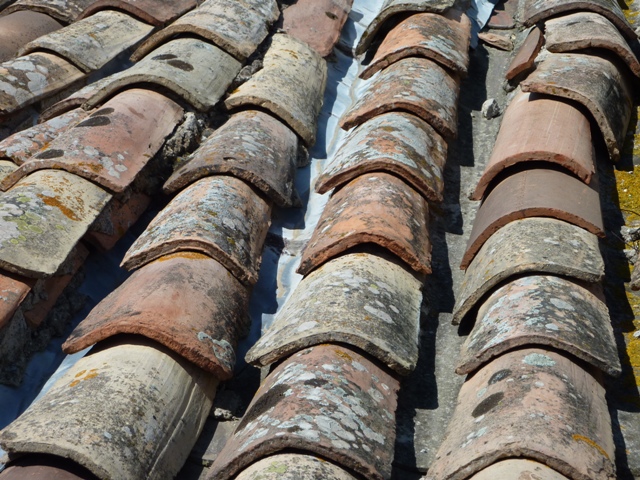
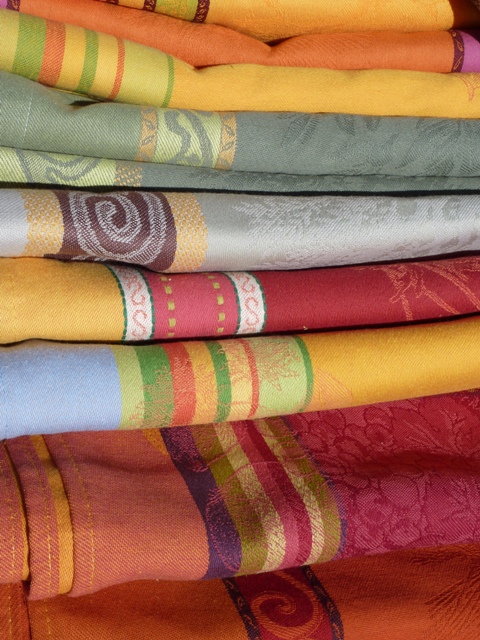
What other reasons might there be to violate The Law? Action shots such as a man scaling up the side of a cruise ship, a sailboat knifing through the sea, or a ship’s captain and his first officer standing on the flying bridge.  Pictures where color itself is the primary emphasis, such as brightly colored fruits and vegetables at an open-air market, or a stain glass window in a European Cathedral.  Likewise, texture might be of overall importance, such as a section of lichen-encrusted roof tiles or the flowing, wavy balcony lines and elegantly ornate and curved wrought iron adorning Antoni Gaudí’s Milà apartment building in Barcelona.

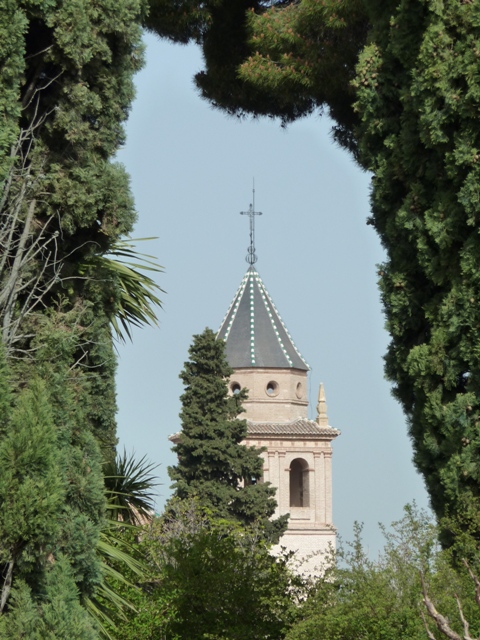
Take a look at the pictures below for some examples.  We’ll cover other examples at a future date.  Until then, enjoy the show (as always, only using my own photographs):

1 Comment

Filed under Photography