

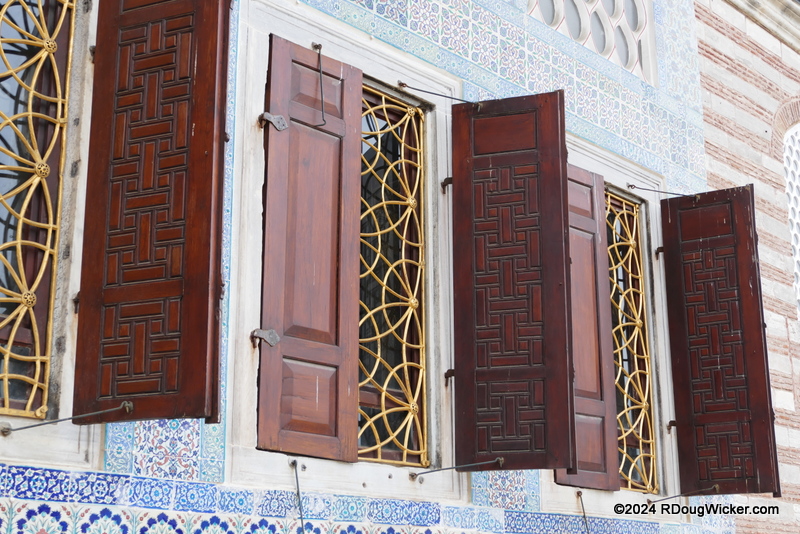
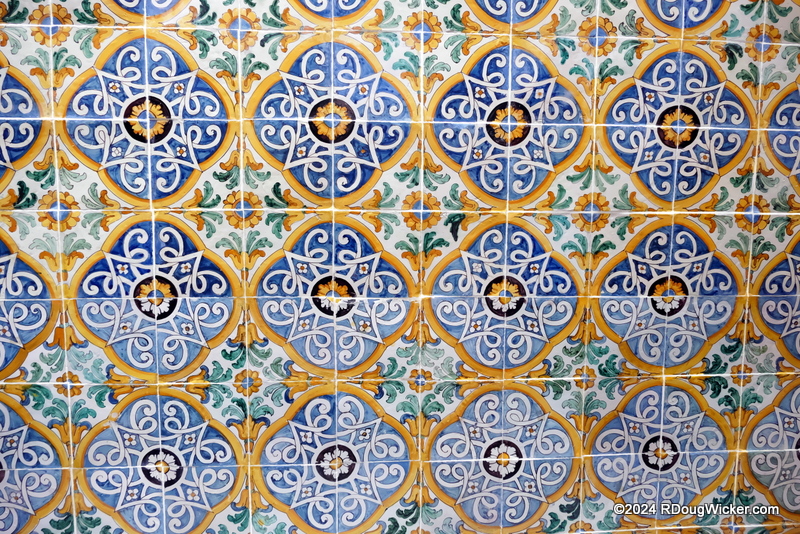
Today is the first of three Fun Photo Fridays featuring favorites from Topkapi Palace:


Слава Україні! (Slava Ukraini!)
Today is the first of three Fun Photo Fridays featuring favorites from Topkapi Palace:
Слава Україні! (Slava Ukraini!)
Comments Off on Fun Photo Friday — Topkapi Favorites 1
Filed under Fun Photo Friday, Photography, R. Doug Wicker, travel, vacation

Today we’ll attempt to get past the imperial eunuch guards and sneak into Imperial Harem in Topkapi Palace. Housed within this 400-room complex were the Valide Sultan (sultan’s mother), wives, concubines (like a wife, only with lower upfront costs and much cheaper monthly payments), as well as their servants. In charge of both the administration and guarding of the harem were the Imperial Harem’s famous black eunuchs. And overseeing the black eunuchs was the chief eunich — the kizlar agha (agha of the house of felicity).
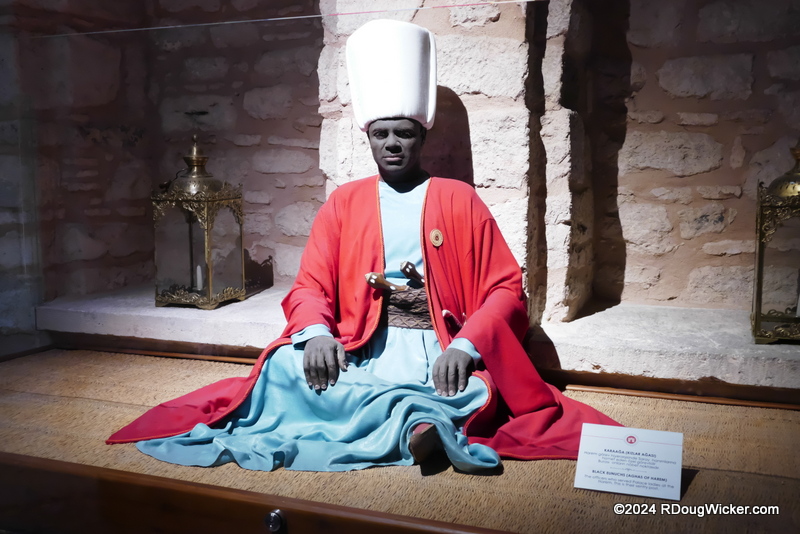
So, let’s begin the tour with what you’ll see in the order in which you will see it, beginning with the dormatory:


Moving beyond the dormatory you’ll arrive at the courtyard of the Zuluflu Baltacilar, home to the harem guards:


Next up, the Courtyard of the Black Eunuchs:

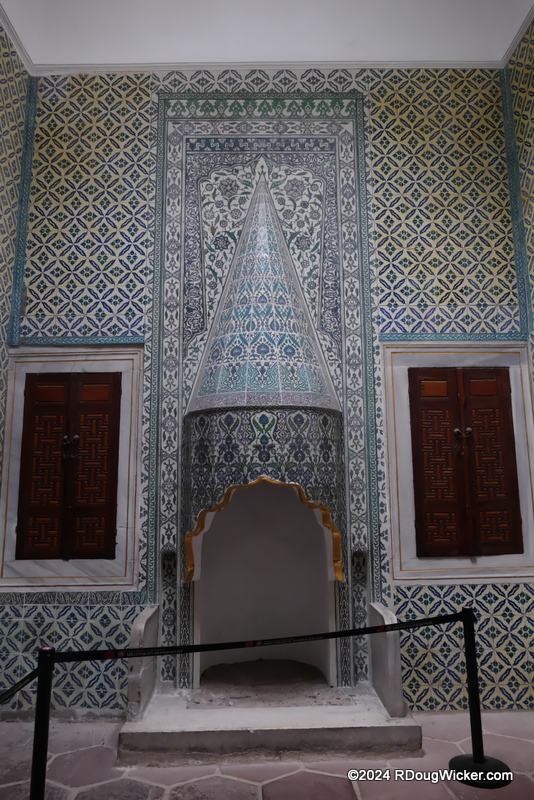
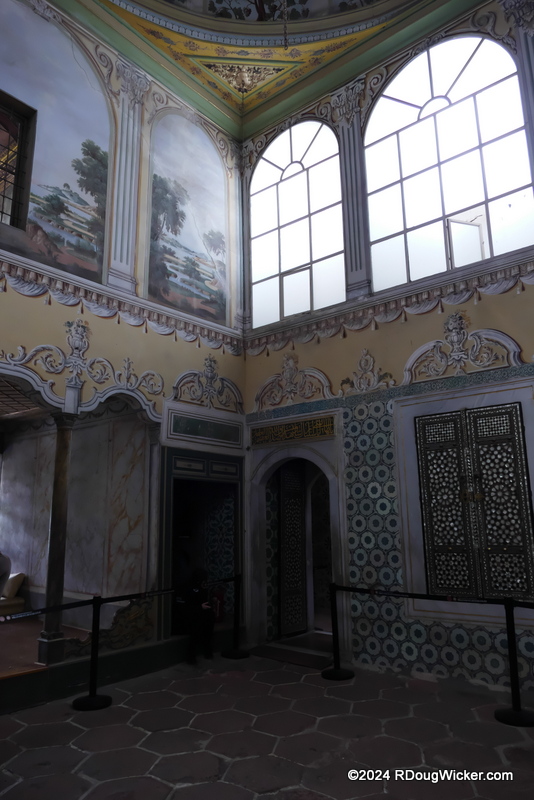
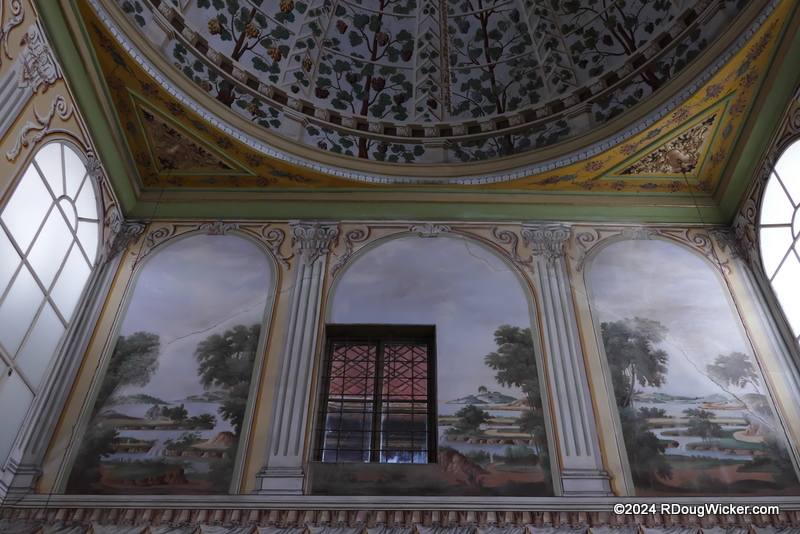
That’s it for today.
Слава Україні! (Slava Ukraini!)
Comments Off on Istanbul — Touring Topkapi; The Palace Harem
Filed under Photography, R. Doug Wicker, travel, vacation

This week and the next two we will continue our look at Topkapi Palace and its treasures. Today I present more of the fine artifacts contained in the Imperial Treasury, but this time with an emphasis on jade over gemstones. In last Wednesday’s article I stated that Ottoman sultans appeared to have an affinity for emeralds because green is associated in Islam with the Prophet Muhammad. Well, emerald isn’t the only precious gem in that color. So, too, is jade (see what I just did there?). But before we get to that, let me explain what you’re seeing in the image above. That is a throne and step presented to the Ottoman Emperors by the ruler of Persia (Iran) Nader Shah. It is in the Mughal style of India, as Nader Shar reestablished Persian dominance over the Mughal Empire in the 1730s. This throne was probably sacked dring the Persian conquest of Delhi in 1739.

But today I said we were going to concentrate on jade. So, let’s take a look at some of the jade treasures here at the Topkapi Palace Treasury. Jade comes in two flavors — the commonly green (can be other colors) nephrite and the rarer, broader spectrum jadeite. For a primer on the differences, see: Jadeite vs. Nephrite in Jewelry – What’s the Difference? And for my article on a government-owned jade factory in Beijing, see: Like a Bull in a Jade Shop.
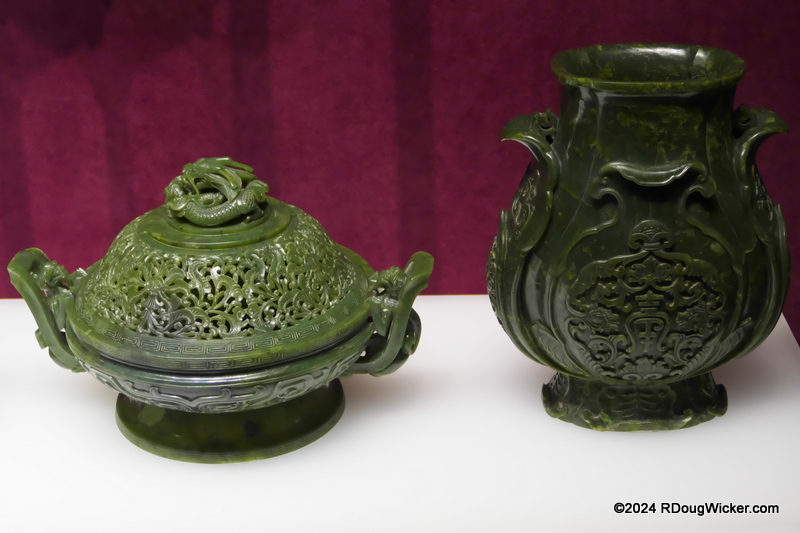
Most of the jade we saw in the Imperial Treasury was of the more common nephrite variety.

Although, to my untrained eye, the mottled, almost glassy rather than waxy appearance of this next piece appears to me to be a piece of deep green jadeite. If there are any experts out there, please verify or correct me on that.

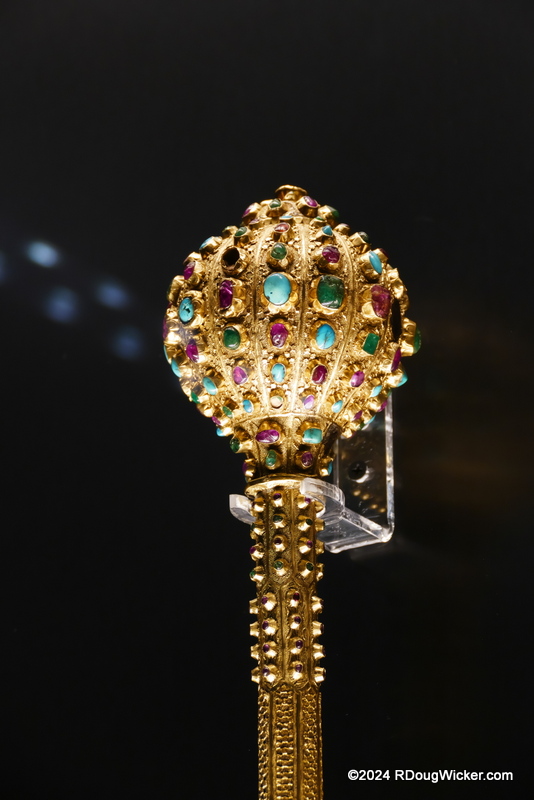
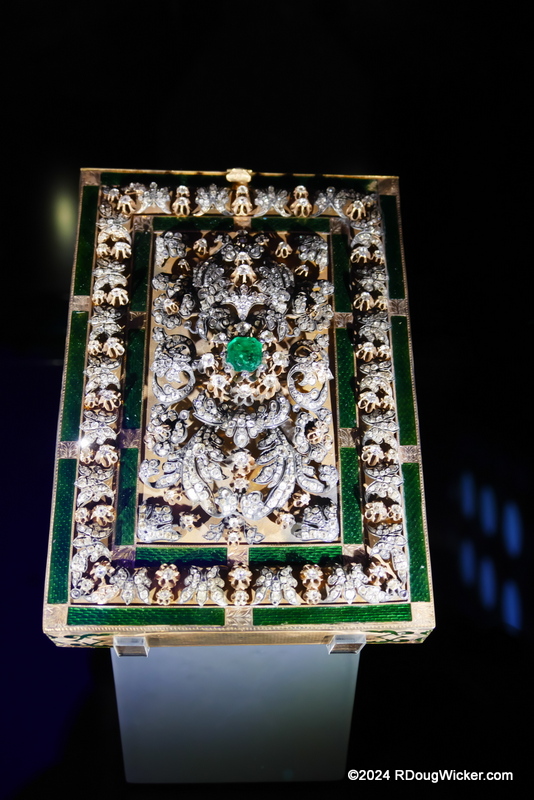
On Wednesday we’ll sneak into the Topkapi Harem. Until then I’ll leave you with these Topkapi treasure images:


And to my Ukraine friends: keep kicking indicted war criminal Vladimir Putin’s butt in Kursk Oblast!
Слава Україні! (Slava Ukraini!)
Comments Off on Istanbul — Touring Topkapi; Jade and Jewels
Filed under Photography, R. Doug Wicker, travel, vacation
 Decisions — Murder in Paradise
Mystery novel available for Kindle
0
Decisions — Murder in Paradise
Mystery novel available for Kindle
0 The Globe — Murder in Luxury
Mystery novel available for Kindle
0
The Globe — Murder in Luxury
Mystery novel available for Kindle
0 R. Doug Wicker — Author