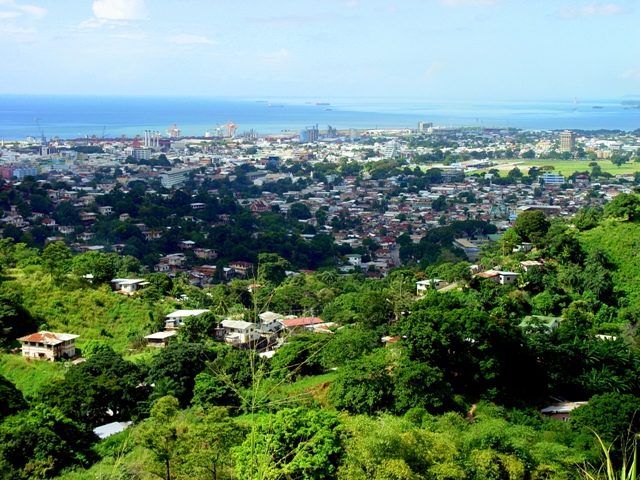
Trinidad and Tobago Part 3—Tobago


We end this week’s look at Trinidad and Tobago with a tour of Tobago itself.  Whereas our initial impressions of Trinidad were far from favorable (until we got out of Port-of-Spain), not so our sojourn to the island of Tobago.
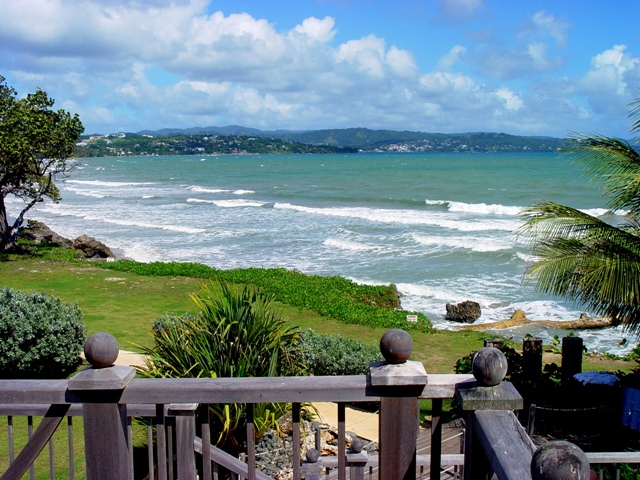
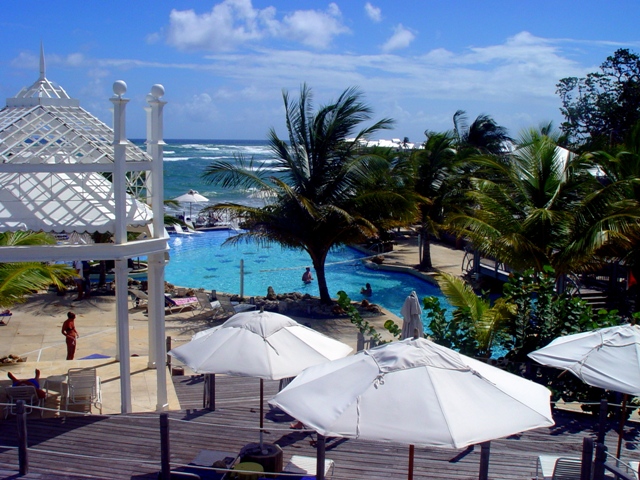
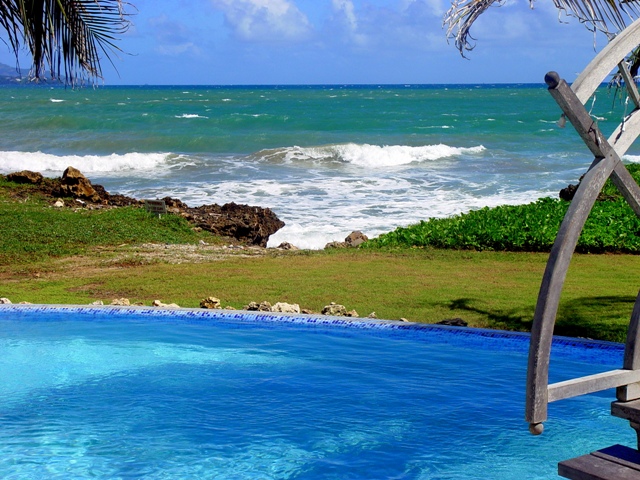
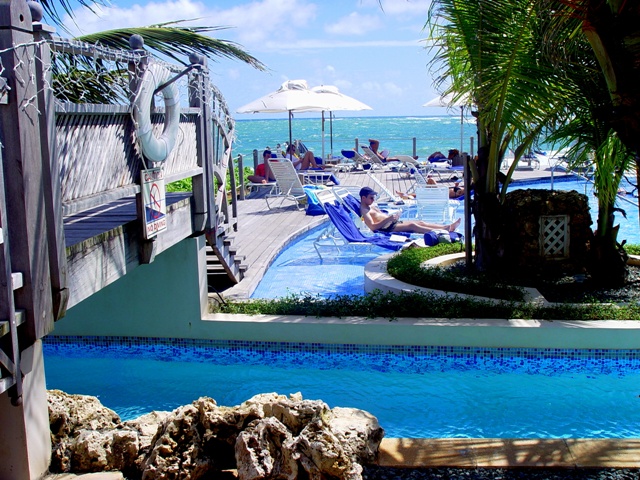
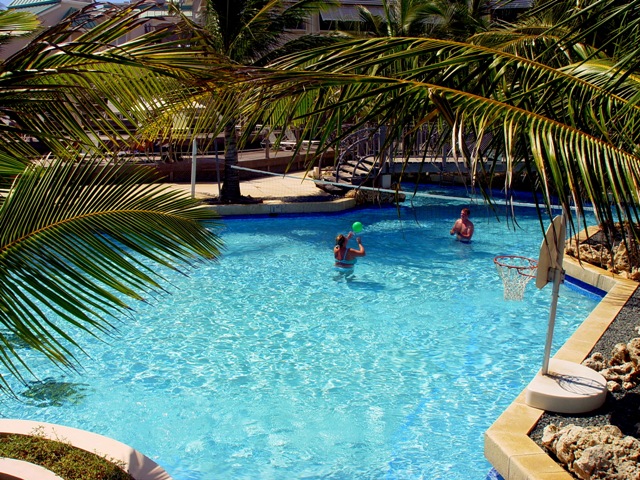
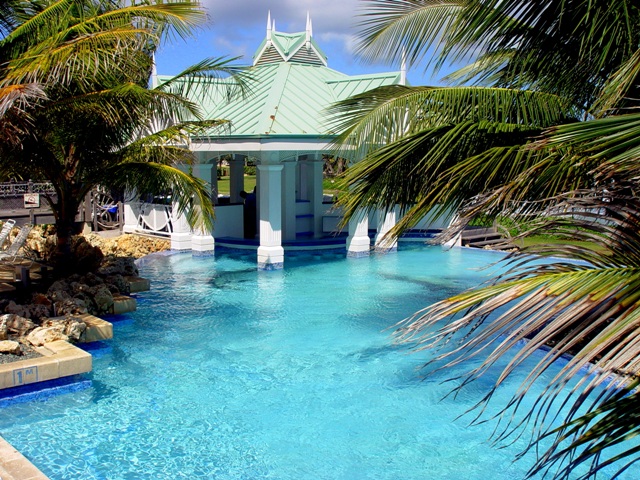
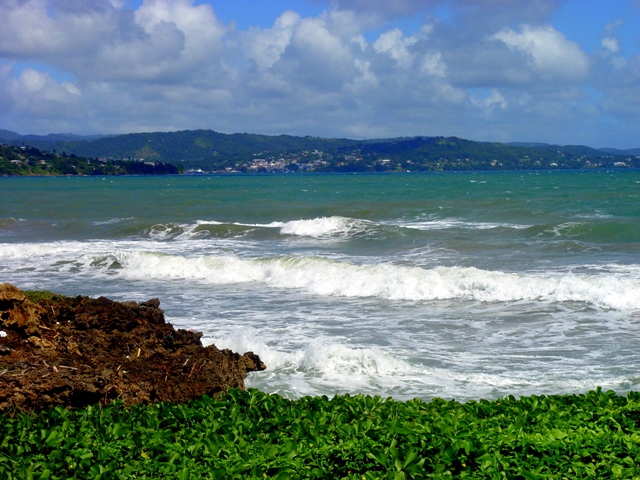
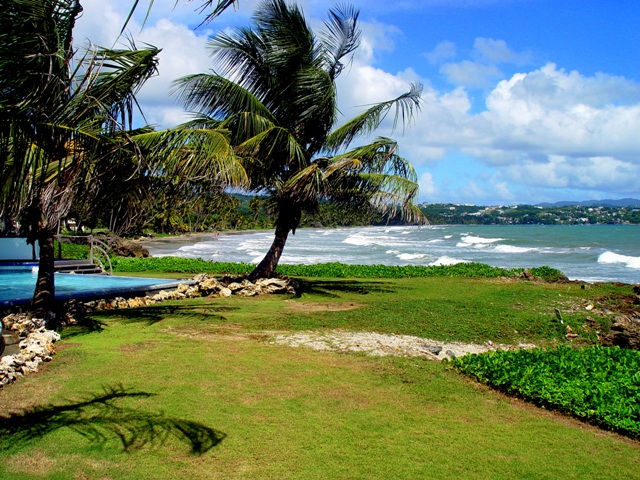
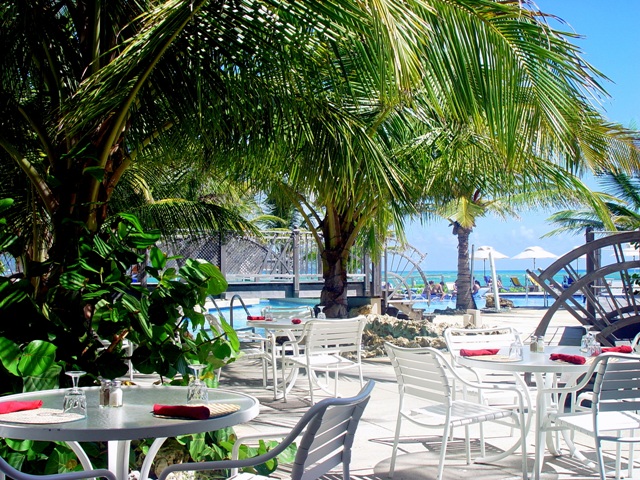
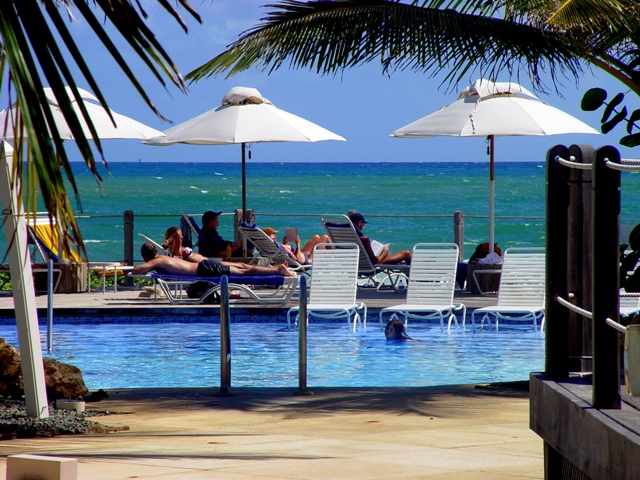
Our stay was at the very resorty Hilton Tobago, which is now the VHL Tobago Golf & Spa Resort (and currently closed, as far as I can tell).  It was an incredible stay, and I hope their current status is short lived as I would very much enjoy going back sometime.  The most memorable features were the pool (with its swim-up bar) and the constant crashing of the surf in the background.  Very romantic.  Very enjoyable.

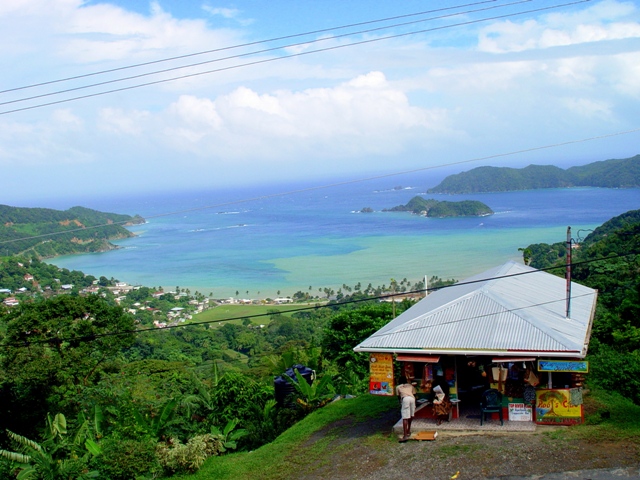
But it would be silly to go all this way only to stay at the resort.  So, we hired a taxi and did a complete circumnavigation of the island.  What an adventure!  Heavy rains had recently fallen, the hills were water-saturated, and the taxi driver kept regaling us with countless stories of people swept off the roads to their deaths by mudslides.  Reminds me of the time I was reading a book on aviation disasters for a novel I was researching while sitting in coach on a rather long flight.  At least one individual remarked to me on the inappropriateness of my choice in reading materials.  Alas, I digress . . . .

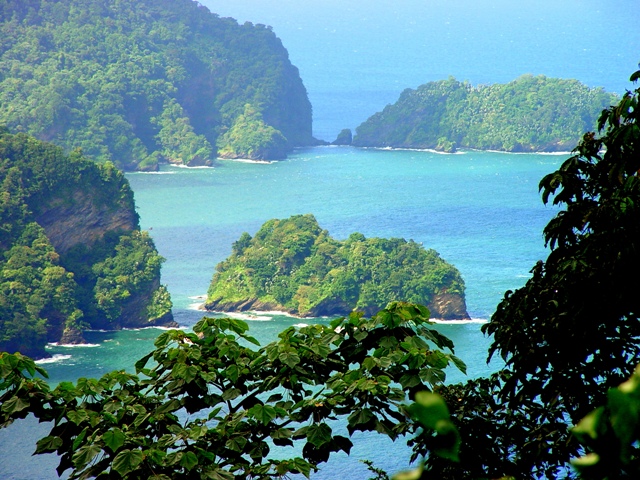
Interestingly (at least to me), our driver pointed to a small island offshore.  He told us this was Goat Island, and related that it was once the home of Ian Fleming—journalist, novelist, former naval intelligence officer, and most famously the creator of the fictional British spy James Bond.  Now, being a fan of Ian Fleming and having read at least a couple of biographies on the man, I was more than a bit skeptical of this claim.  Mr. Fleming’s Caribbean estate was Goldeneye (named after Operation Goldeneye, an intelligence operation devised and orchestrated by Ian Fleming during WWII).  Goldeney is situated on a beach near Oracabessa on the island of Jamaica (some 1,200 miles away), and I knew of absolutely no connection between Mr. Fleming at Tobago.  But, hey, you don’t punch holes in the local legend, so I let the claim slide.

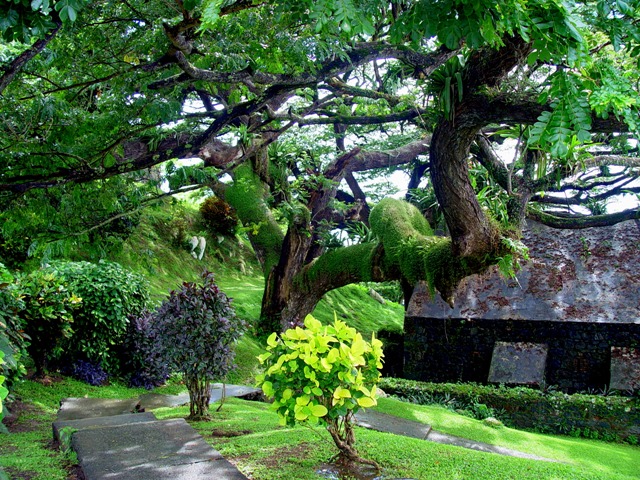
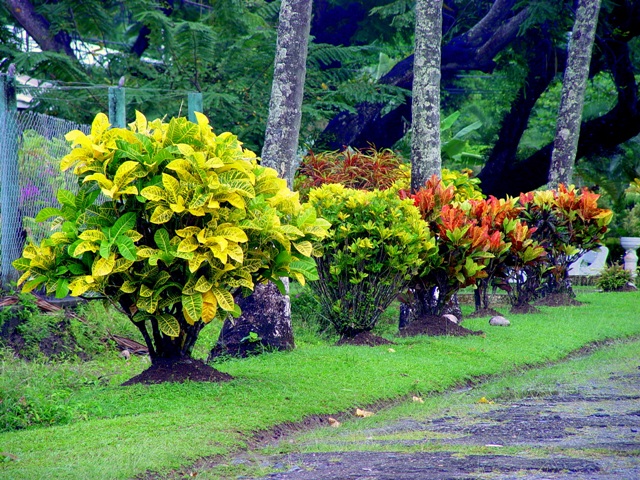
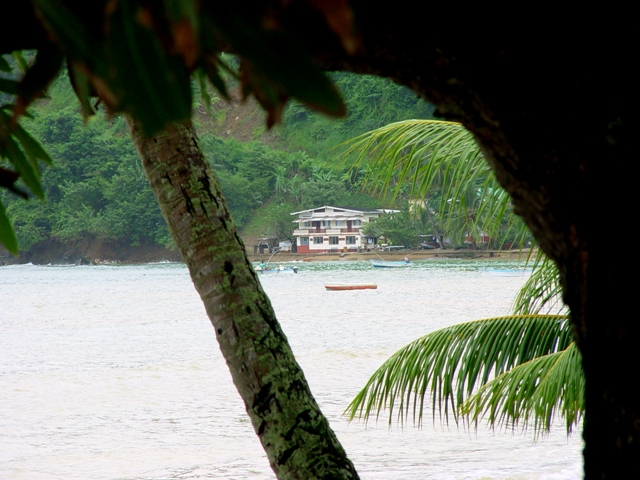
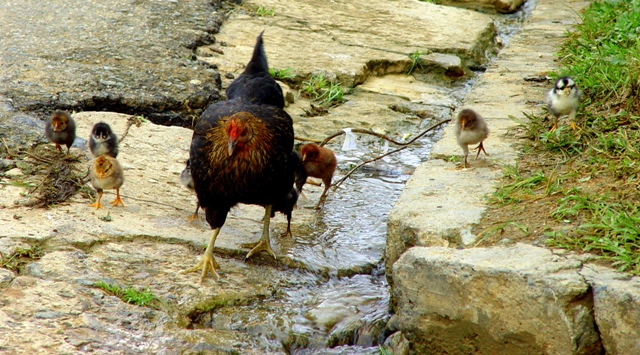
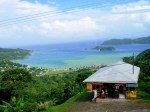
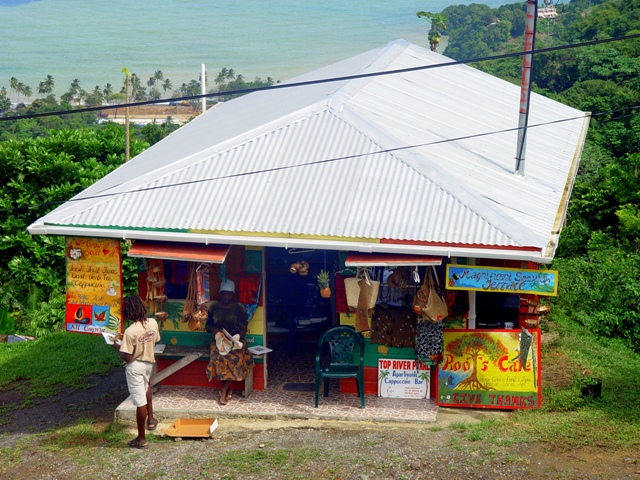
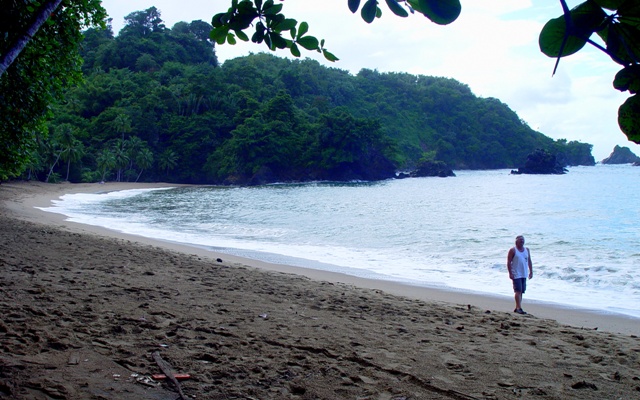
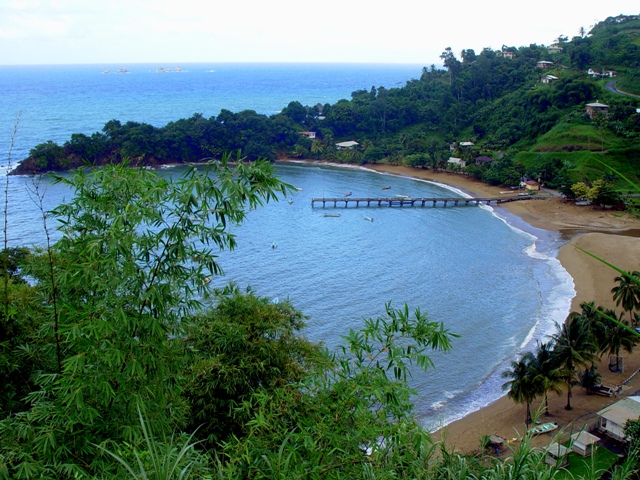
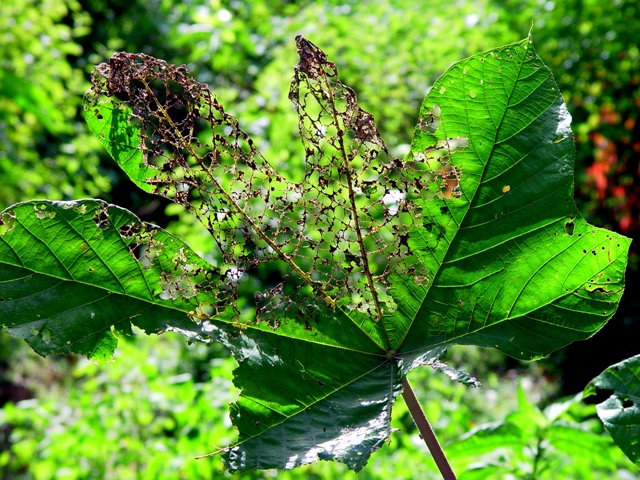
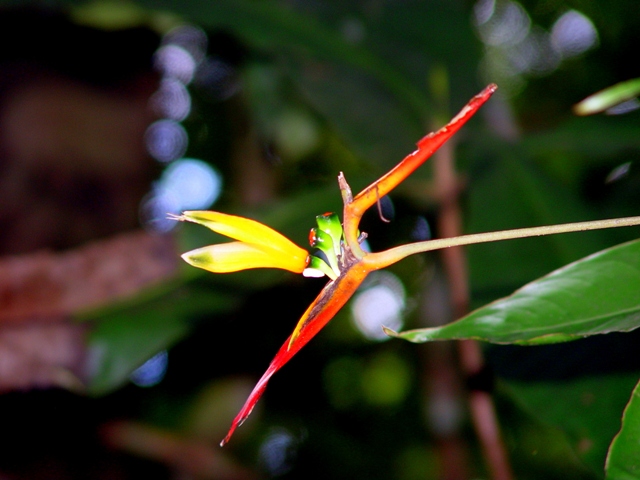
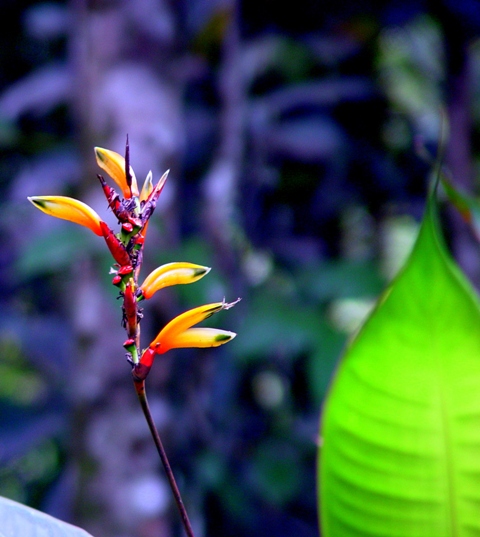
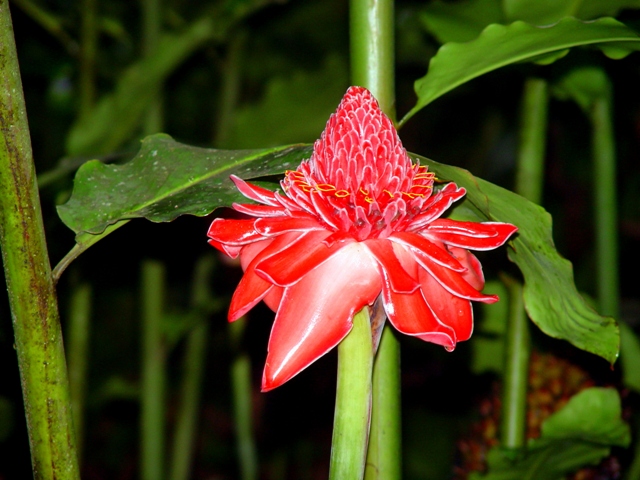
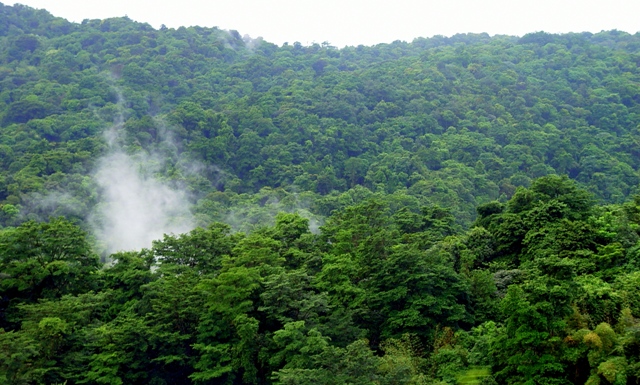
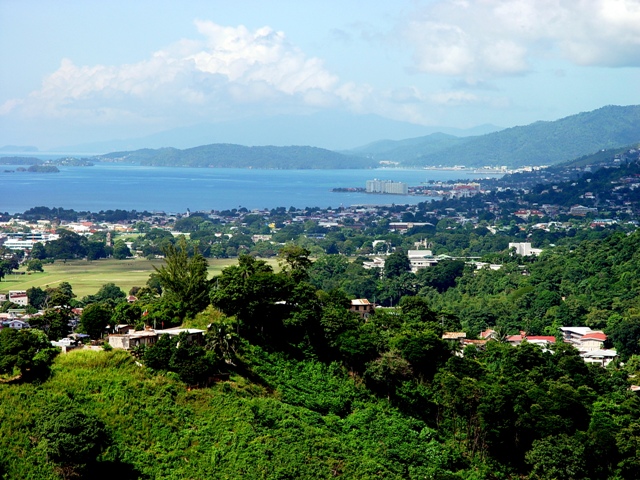
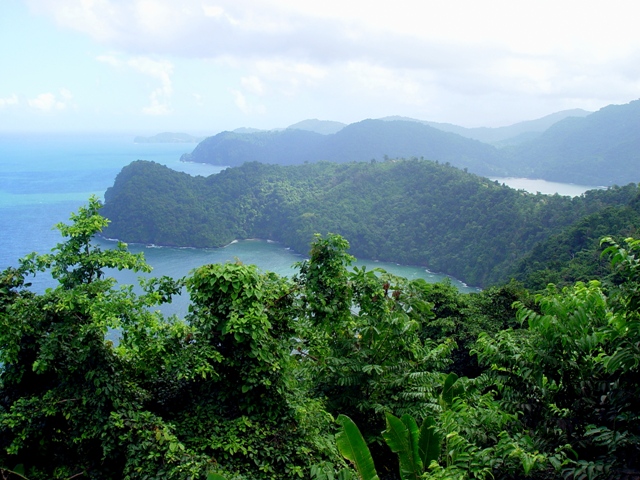
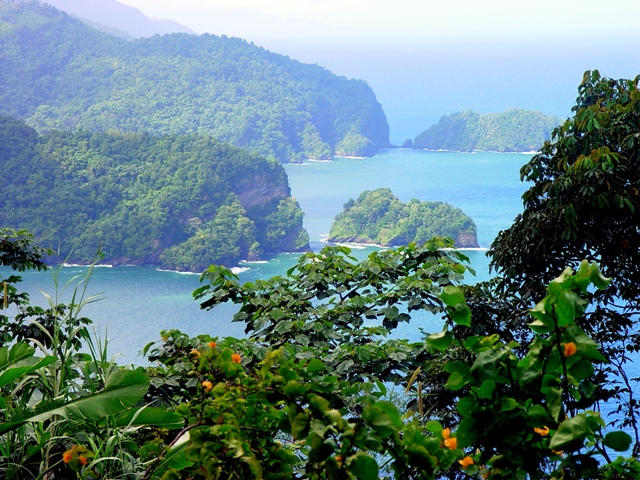
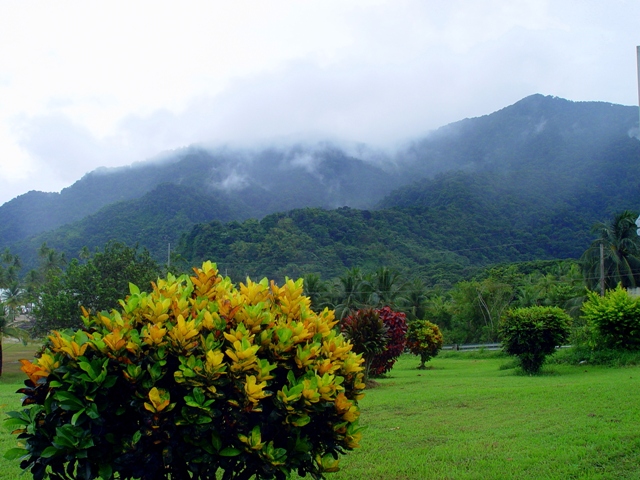
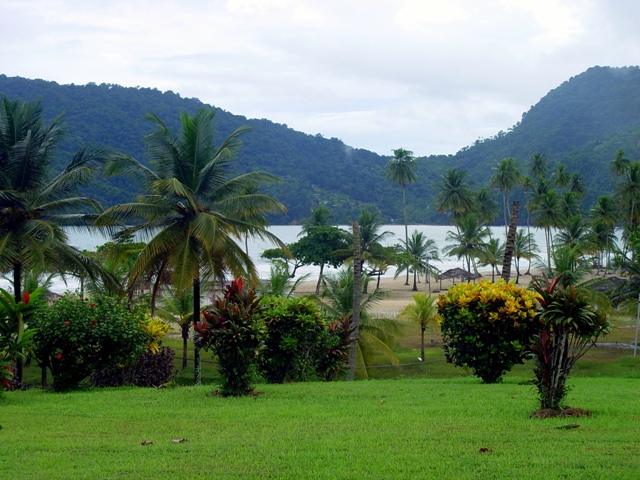
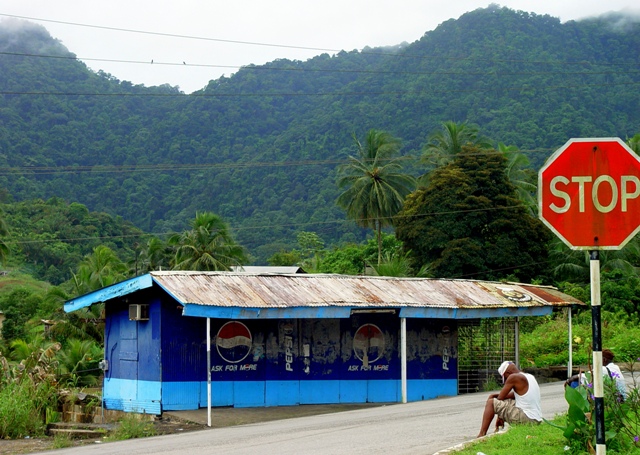
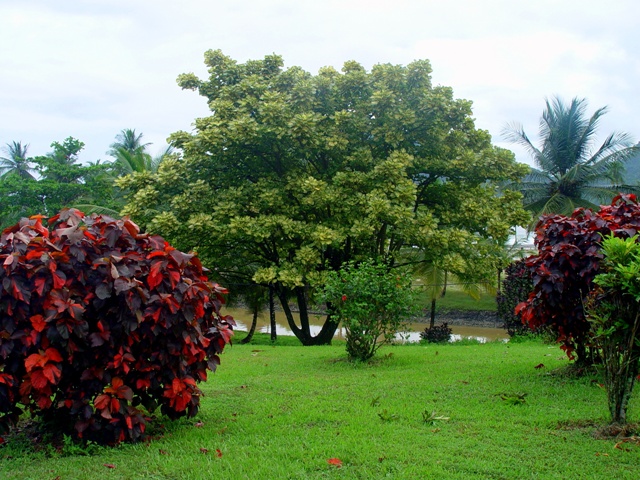
Now for some views of Tobago and the former Hilton resort there:

1 Comment

Filed under Photography, travel

Trinidad and Tobago Part 2—Asa Wright Nature Center


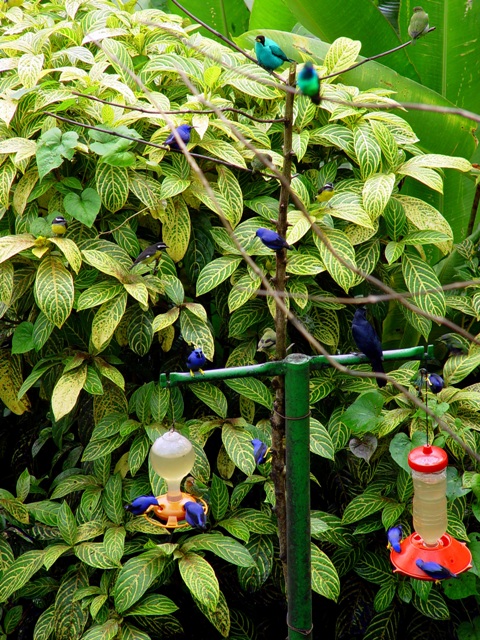
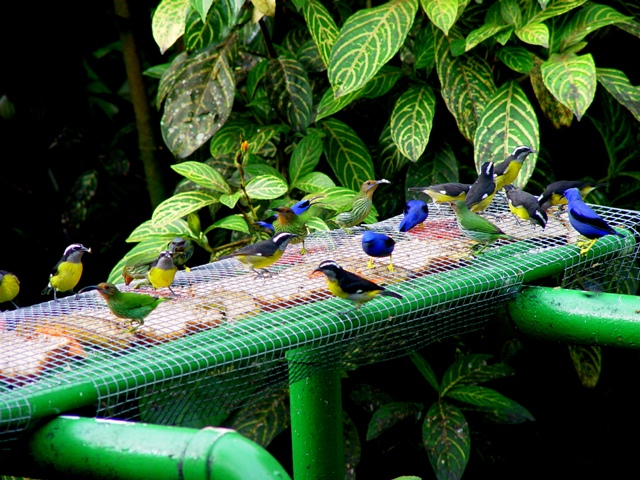
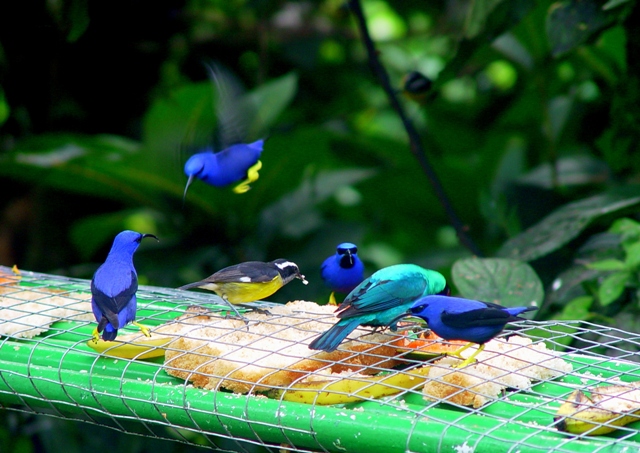
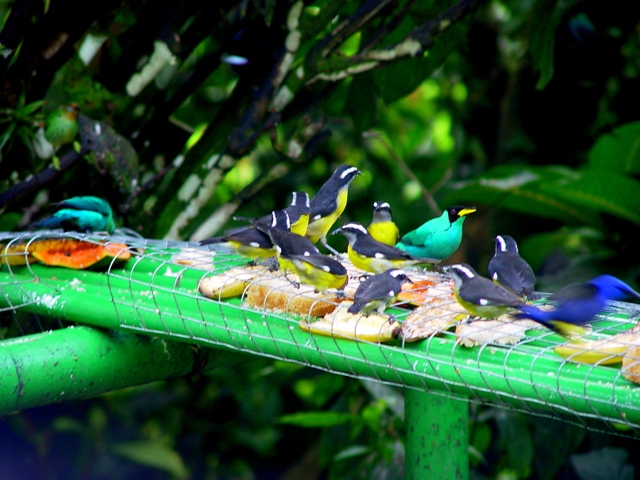
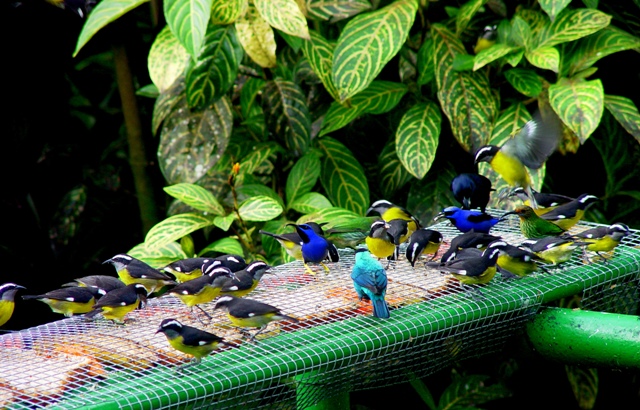
In Part 1 of this week’s series on Trinidad and Tobago we experienced the disappointment of Port-of-Spain and the fun of Maracas Beach.  Today we’ll go hunting in search of tropical flora and fauna at the captivating Asa Wright Nature Centre in the Arima Valley surrounded by the mountains of Trinidad’s Northern Range.

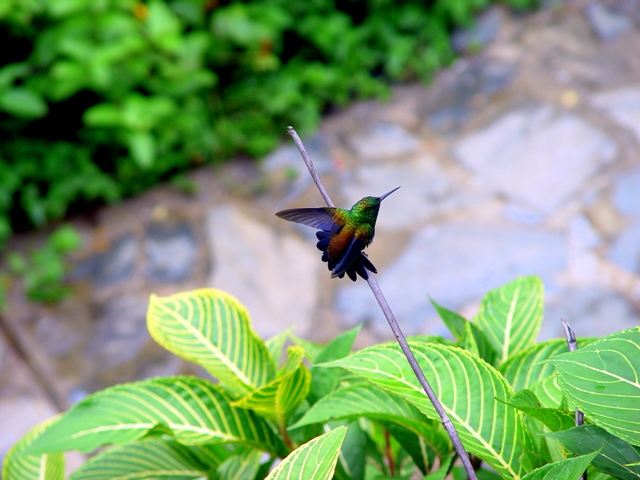
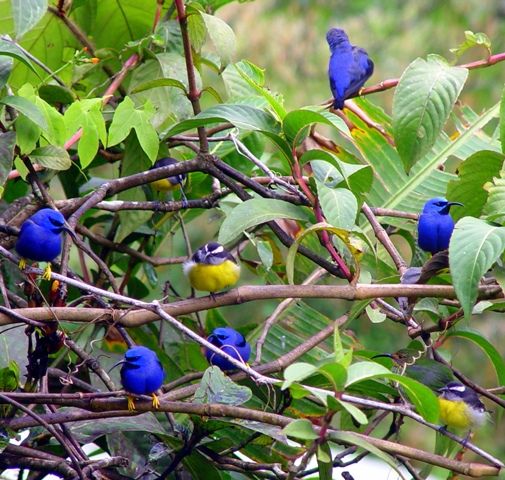
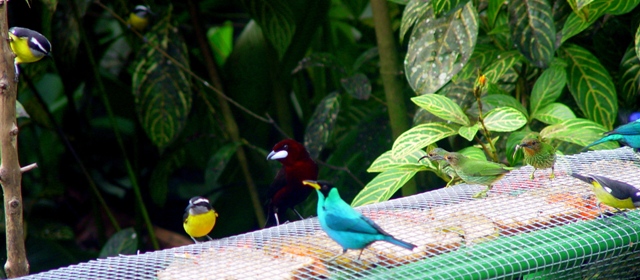
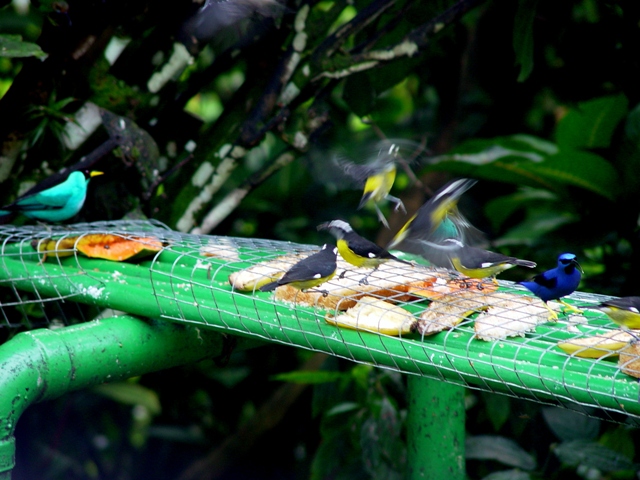
Have you seen the film The Big Year yet?  Cute movie, and it deserved better than Rotten Tomatoes gave it.  I’d probably rate it a three on my five-point scale.  But what has that movie to do with the Asa Wright Nature Centre?  Plenty, it turns out.  The Big Year was about three birders on a quest to sight the most bird species in the North America during the span of one year—one birder out to protect his existing record and two others striving to knock him from his perch, as it were.  Winning is a feat known as a “Big Year.”  Well, if these three had made it to the Asa Wright Nature Centre, they’d have been off to a really good start on the numbers.

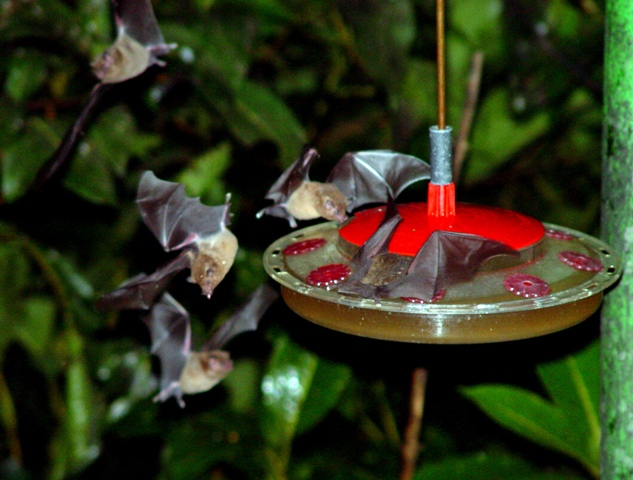
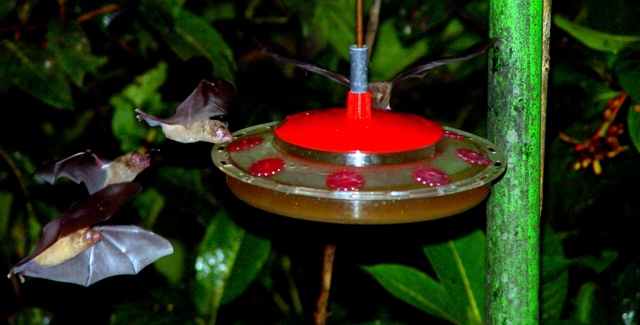
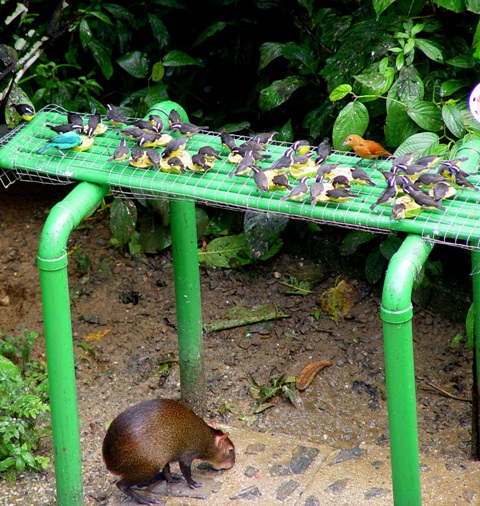
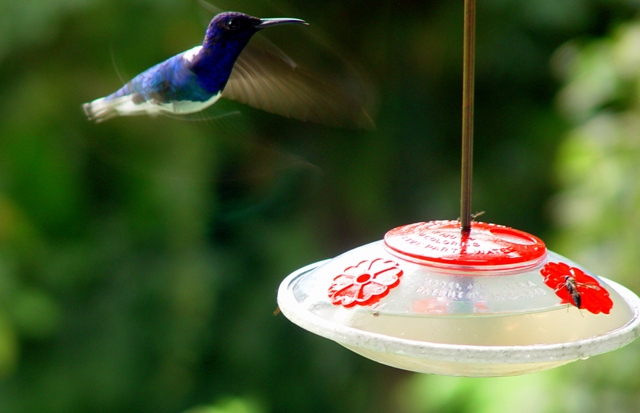
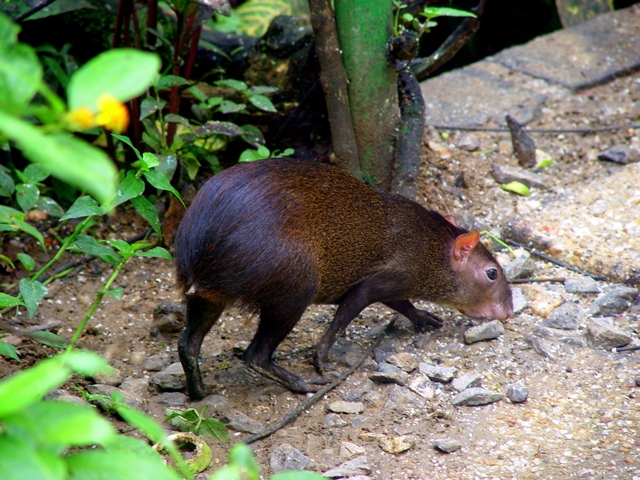
In addition to the stunning number of bird species at Asa Wright, you’ll also see bats feeding at dusk from a hummingbird feeder, large tegu lizards, and the uncommonly cute but shy agouti—a rodent related to the guinea pig and one I’d love to have as a pet.

Friday we’ll finish up our visit to Trinidad and Tobago with a circumnavigation of Tobago by taxi and a stay at the Hilton Tobago.

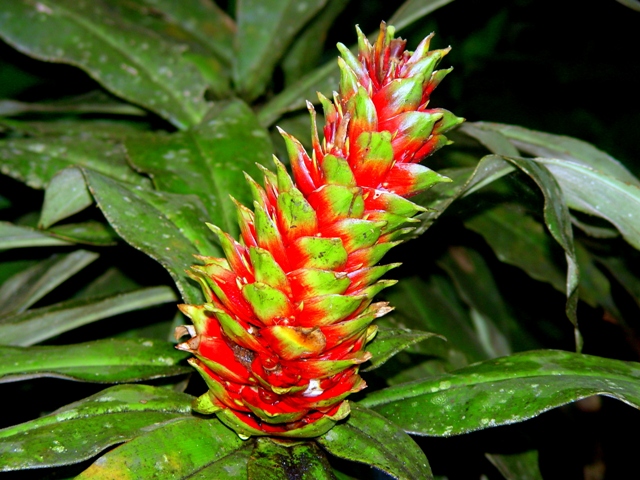
Meanwhile, start your own “Big Year” right here with these sightings:

1 Comment

Filed under Photography, travel

Trinidad and Tobago Part 1—Trinidad


In early December of 2004, Ursula and I made a trek to the Republic of Trinidad and Tobago in the Southern Caribbean.  I had only recently began the transition from film photography to digital, and this was the first trip on which I made the conscious decision to rely solely on my digital camera.  That first digital was a Sony Cybershot DSC-F707.  At five megapixels and a 5x 38mm-190mm f2-f2.4 zoom lens it was one of the most advanced non DSLR cameras of its time.  Alas, the image quality from then does not even remotely compare to the image quality of today, as you will seen see.

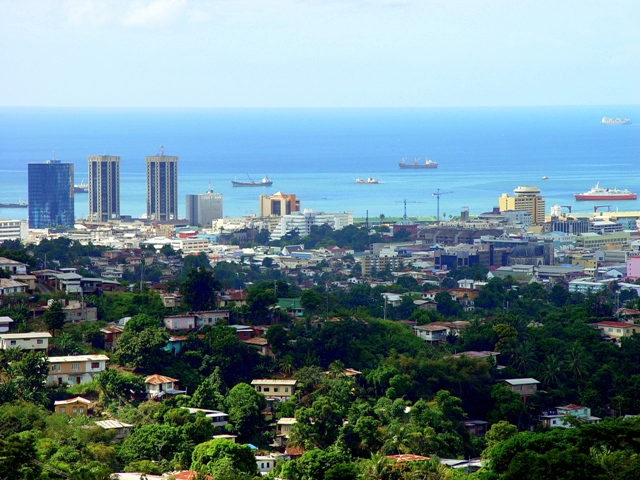
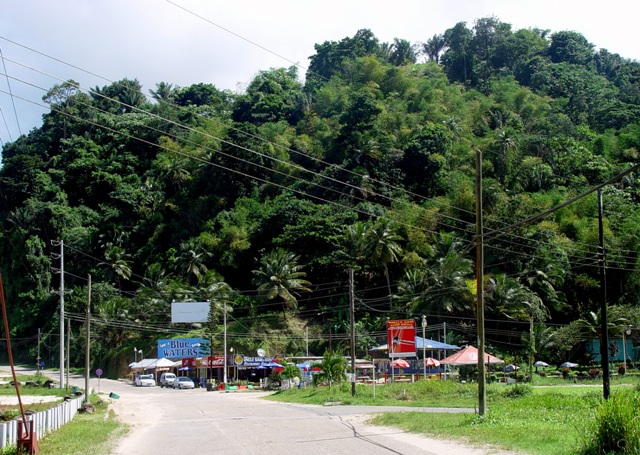
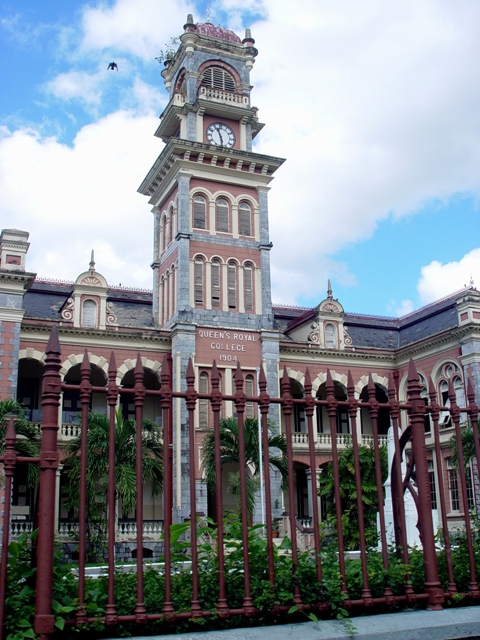
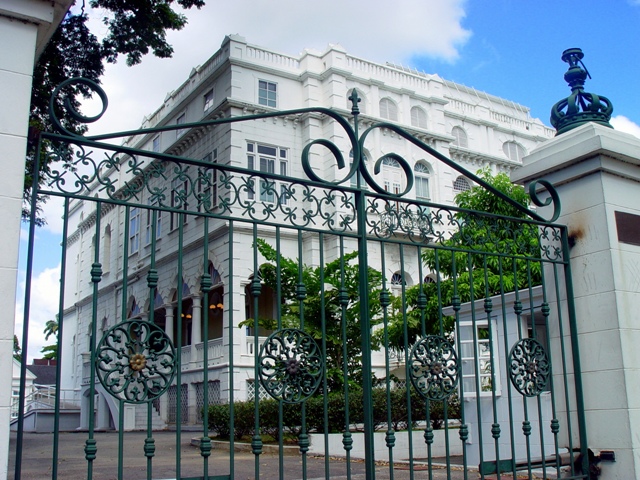
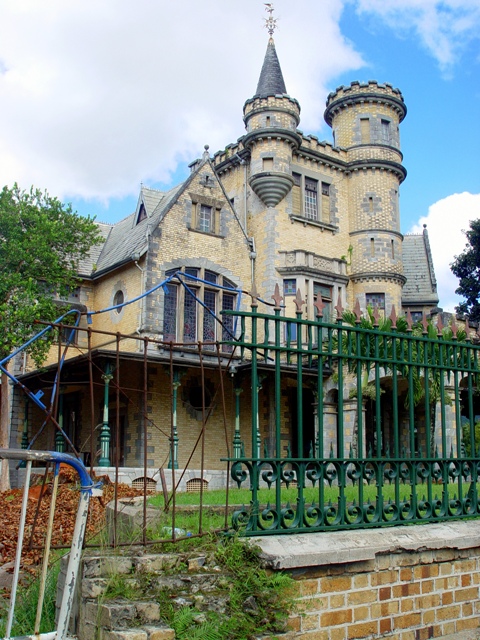
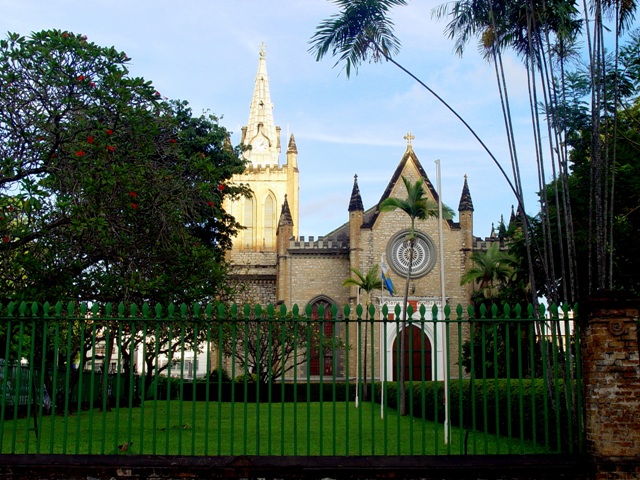
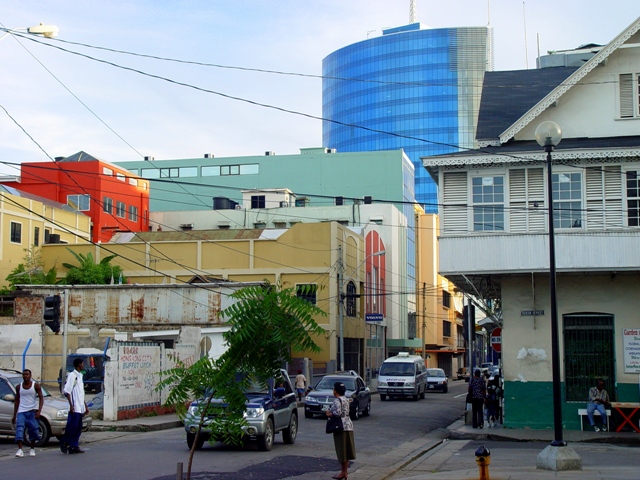
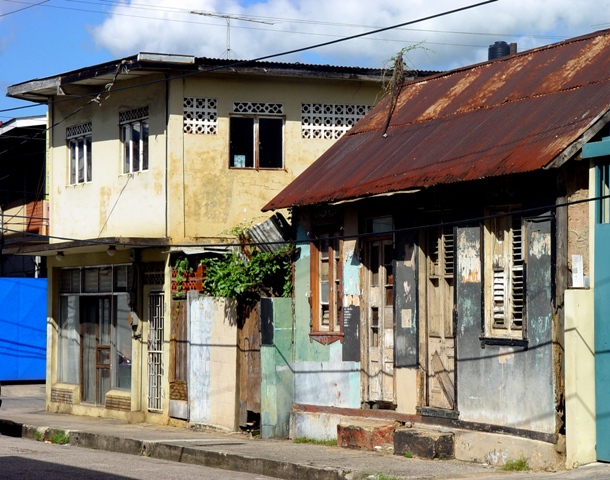
Our first stop in this archipelago was the capital city of Port-of-Spain on Trinidad.  I was not impressed, at least not with Port-of-Spain.  We found the city crowded, dirty, and worst of all, unfriendly to foreigners.  What few photo opportunities that presented themselves were marred by ubiquitous power lines that insinuated themselves into nearly every frame.  All in all, Porr-of-Spain was not an auspicious beginning for our trip.  Nevertheless we soldiered on, and in the end we were glad we did.

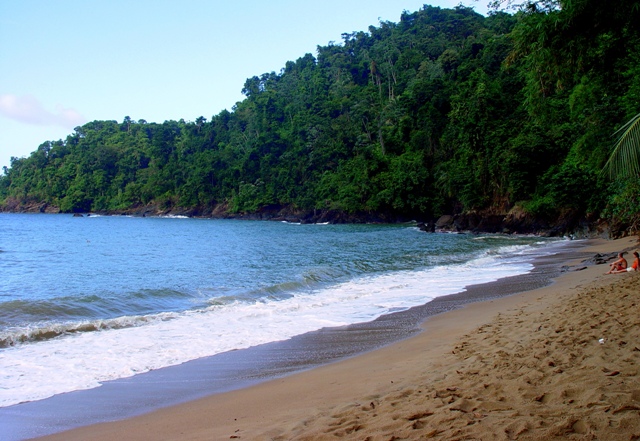
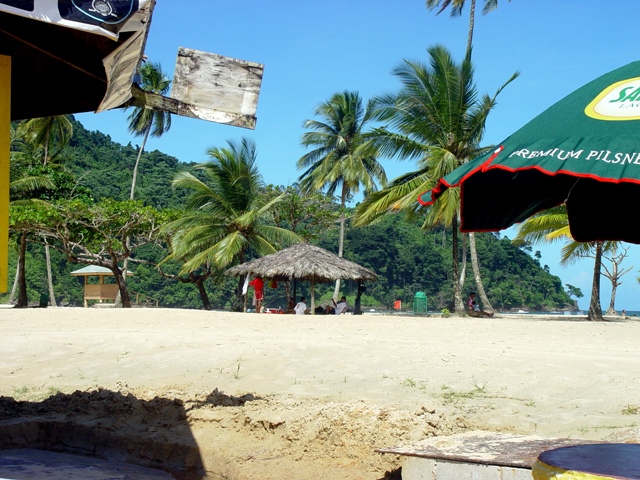
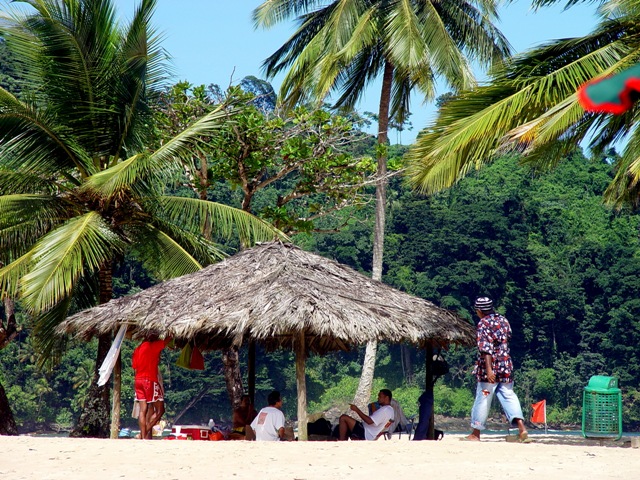
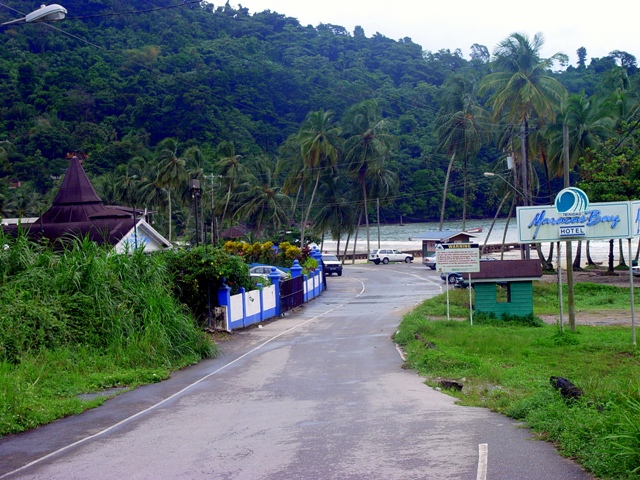
Departing Port-of-Spain as rapidly as we could after having had our disappointing fill, we took a taxi to Maracas Beach on the north side of Trinidad.  It was as if we were on a different island.  Beautiful beach, friendly people, picturesque flora and scenery, and the deliciously enticing smell of “shark ‘n’ bake”  wafting from the myriad “Shark ‘n’ Bake” stands (or “Bake ‘n’ Shark” depending on the stand’s sign)that lined the shore.  “Shark ‘n’ bake,” for the uninitiated, is that tasty delight of batter-dipped and deep-fried shark filet placed on a thin pita-style bread, topped with fresh tomato and lettuce, and served with a choice of spicy and savory condiments.  Forget having a nice sit-down dinner later that evening; you’ll be going back to the beach for a second helping of what you had for lunch after you’ve tried this.

Wednesday we’ll continue with Trinidada and Tobago Part 2—Asa Wright Nature Centre.

Meanwhile, enjoy some pictures of Port-of-Spain and Maracas Beach:

2 Comments

Filed under Photography, travel