Tag Archives: Panasonic FZ1000

San Diego for Whale Watching — Part 2


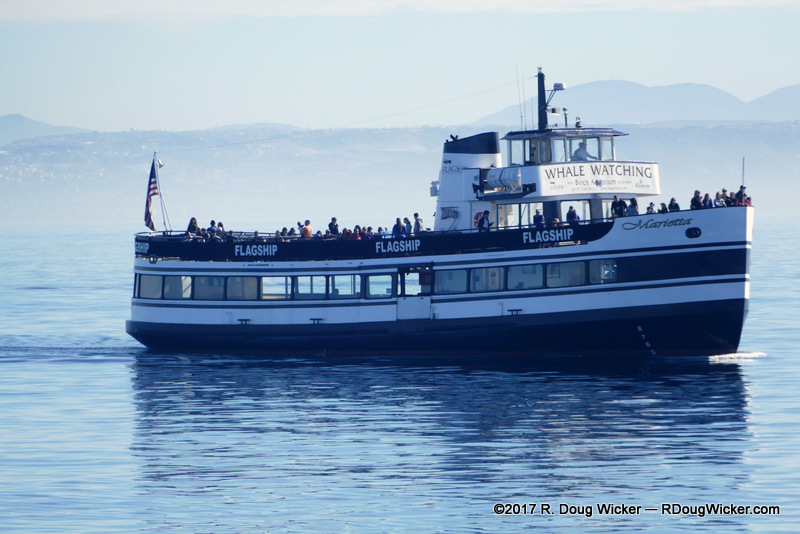
Flagship Marietta

For the next couple of hours we chased whales . . . at a distance.  If one of the tour boats in the area observed a whale, the whole fleet would reposition close, but not too close, to that area.  Regulations require whale watching boats to approach no closer than 100 yards/90 meters.
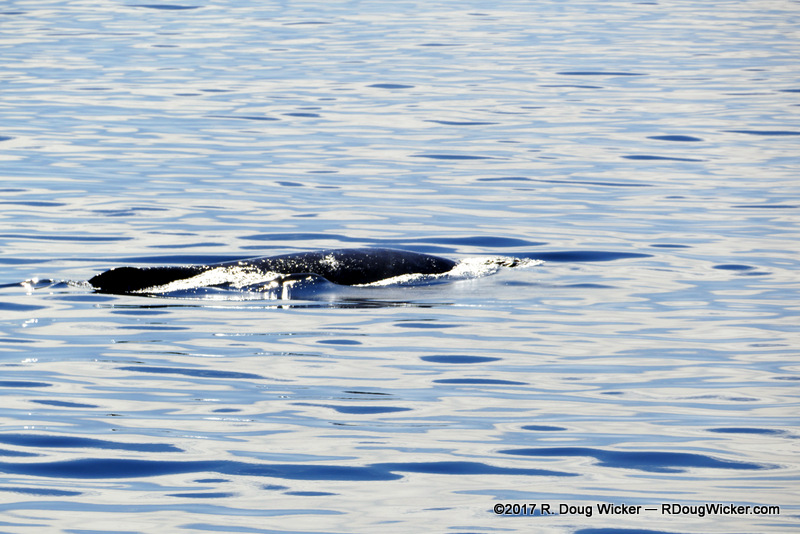
Gray Whale

Fortunately, I had with me a Panasonic FZ1000, which has a 35mm equivalent focal range of 400mm, or about 8x telephoto magnification.
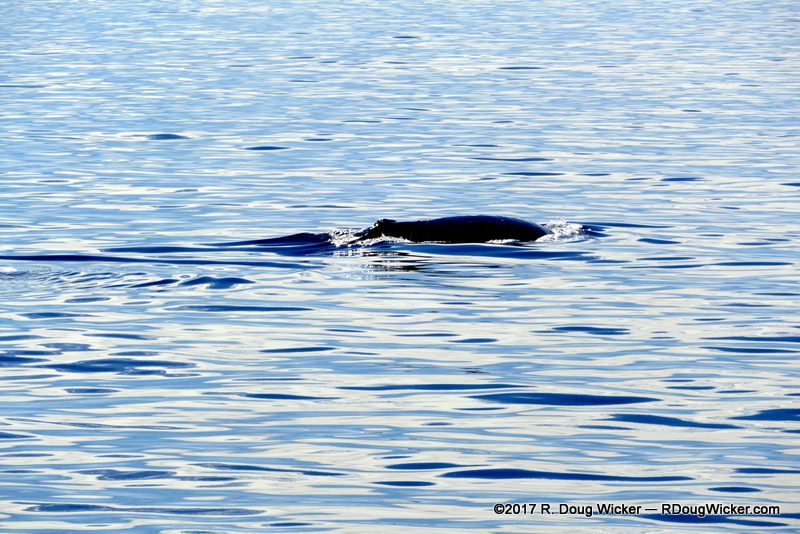
Gray Whale

The FZ1000 is a very versatile travel camera with a fairly large 1-inch sensor in a relatively compact form.  The drawback is that at its finest JPEG compression, the photos tend to show blotchiness in uniform areas, such as blue sky.  Also, vignetting at the corners is a bit of a problem, especially at the longest focal lengths.  Both problems can be solved if you store images in both JPEG and Raw, allowing you to replace the occasional defective JPEG through Raw post-processing with the Silkypix software that comes packaged with the camera.  That’s a pain, but fortunately most JPEGs from the FZ1000 aren’t bad enough to require fixing.

Gray Whale


Gray Whale

As you can see from today’s photos we were far from the only whale watchers out this day:

Producer

And whales were not the only animals to be seen.  Here is a dolphin:

Dolphin

This particular cruise is 3.5 hours long.  Heading back into port we passed these chaps ignoring a “No Trespassing” sign:

No Trespassing!

By the time we got back the sun was in a perfect position for this colorful shot:

San Diego
Comments Off on San Diego for Whale Watching — Part 2

Filed under Photography, R. Doug Wicker, travel, vacation

Fun Photo Friday — Take Me Out to the Ball Game


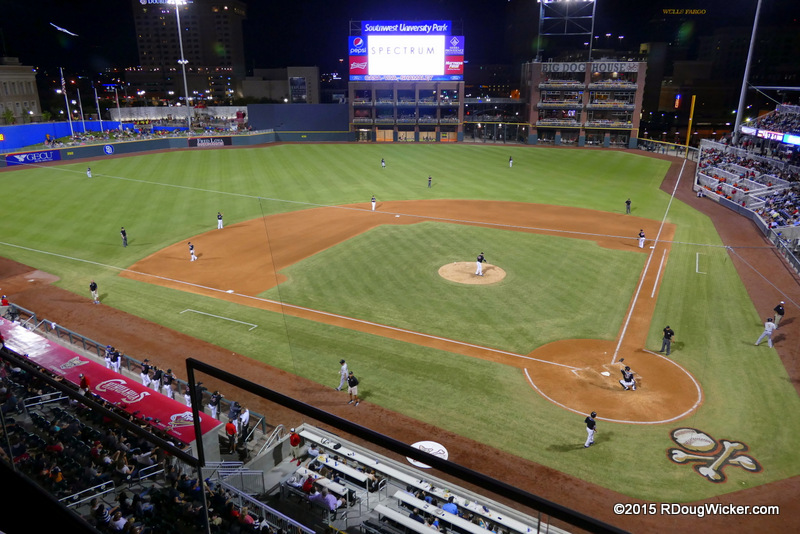
Daytime photograph is easy, but . . .

Daytime photograph is easy, but . . .

There are some tricks to capturing a sporting event, and it gets really iffy in nighttime, artificial lighting situations.

. . . nighttime?  Not so much.

. . . nighttime? Not so much.

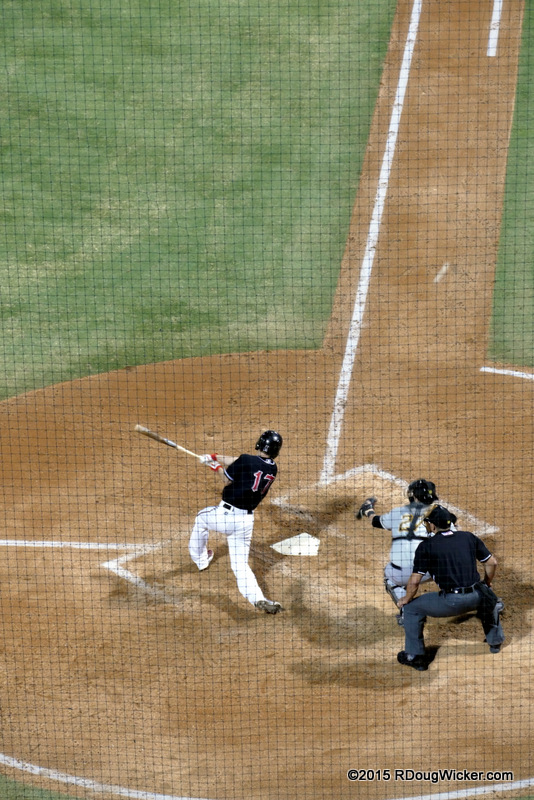
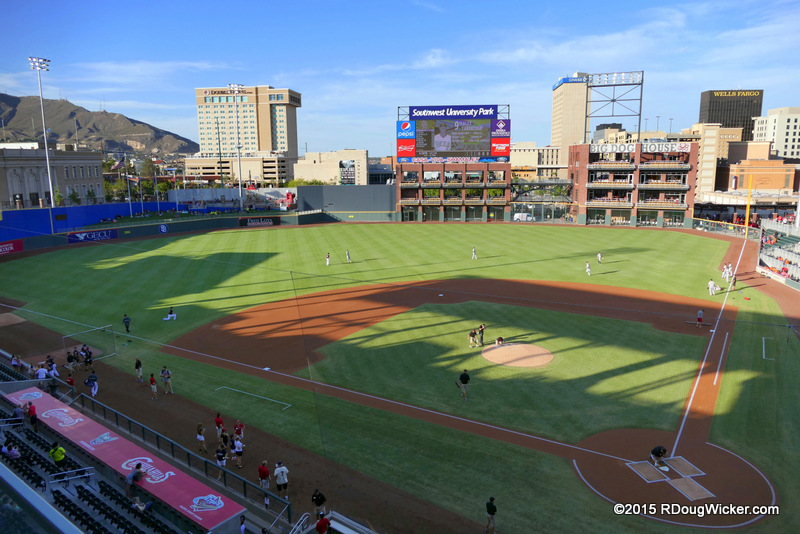
You have to balance your camera’s sensor limitations against the need to freeze the action.  Remember, the smaller the sensor the noisier the image at higher ISO settings.  This night I was using a Panasonic FZ1000 with a 1″ sensor because I needed the longer telephoto reach over my 1.5″ Canon G1 X, but that meant I was going to be limited to around ISO 800.  That in turn meant I was not going to be able to freeze the action.  Most of the shots you see here were taken at 1/80th of a second.  You have to make choices, and I chose image sharpness over freezing the action.

Stiii—RIKE ! ! !  And the bat disappears in a blur

Stiii—RIKE ! ! ! And the bat disappears in a blur

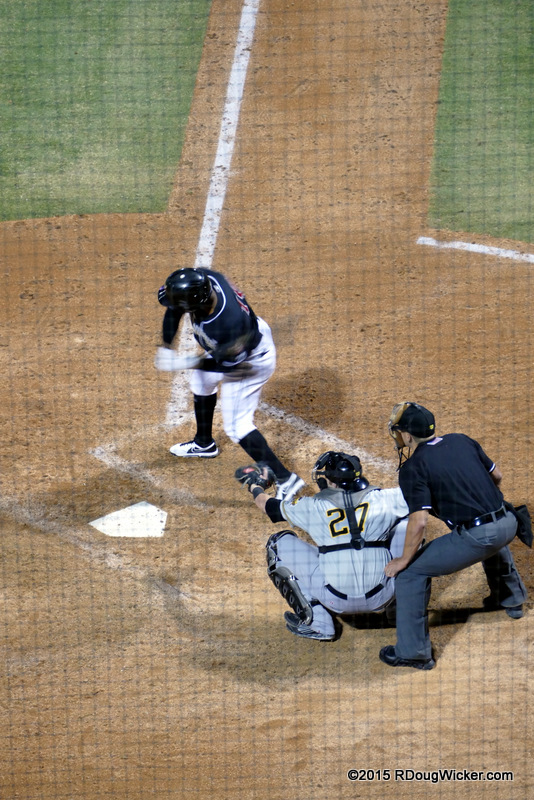
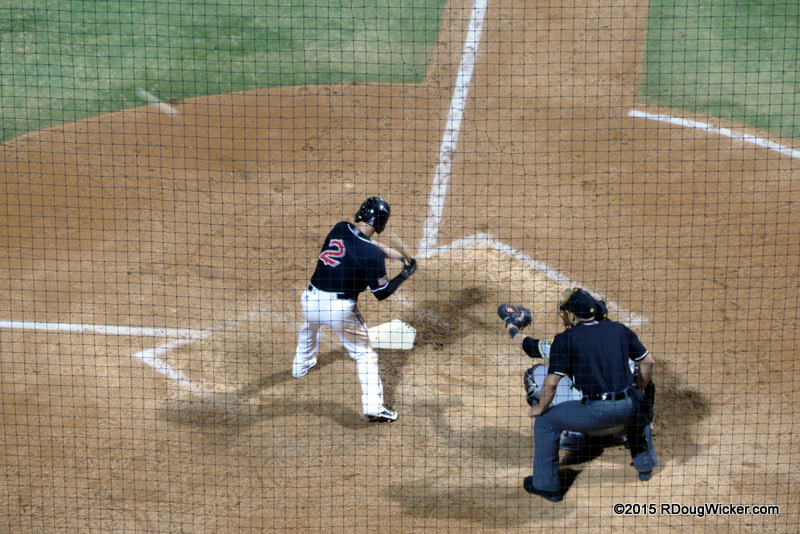
My location also placed a severe limitation on me.  I was behind the safety netting, and auto-focus tends to focus on the nearest object.  So this night I found the players and field were softened at telephoto distances, but that the netting was distractingly sharp.  This is the time you simply must switch to manual focus if your camera has that capability.  Fortunately, the FZ1000 does.

Manual focus through the safety netting

Manual focus through the safety netting

In action photography it’s easy to guess when to press the shutter release if you’re panned back to see the entire scene.

This type shot can easily be timed completely through the viewfinder

This type shot can easily be timed completely through the viewfinder — the foul ball is the blurred white streak midway between the pitcher and batter

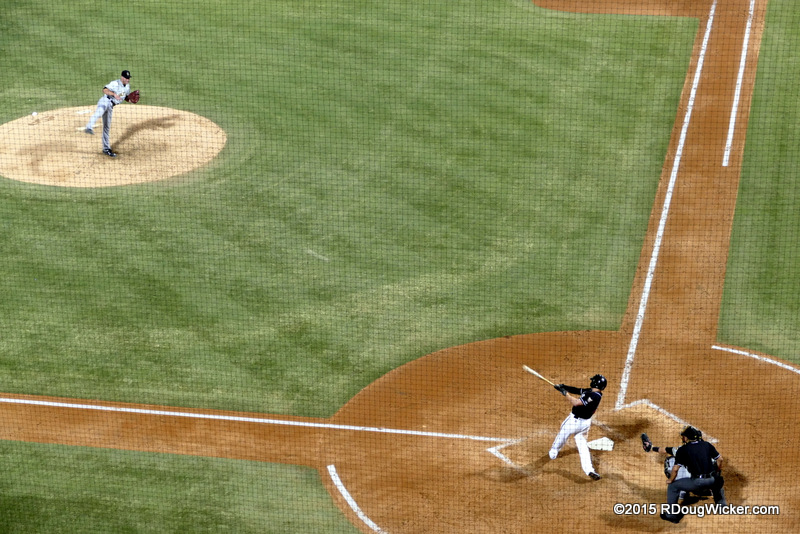
But what if you’re zoomed in on the batter and can’t see when the pitcher is releasing the ball?  In this case you have get creative using both eyes.  Glue one eye to the viewfinder or LCD screen (viewfinder is better when manually focusing, obviously) while keeping the other eye open and watching the pitcher.  This is also a skill you want to acquire in firearms shooting, so it has other applications.  Do the both-eyes-open thing and you can get this kind of perfectly timed shot (the ball is the white streak to the upper left and the bat is mildly blurred at the start of the swing):

Keep one eye in the viewfinder and the other on the pitcher

Keep one eye in the viewfinder and the other on the pitcher

Here’s another example from Wednesday’s post using this technique:

Incoming!

Incoming!

And another:

Foul ball

Foul ball

Now for some favorite shots from this enchanting evening courtesy of our wonderful neighbors Randi and Jim Brewer:

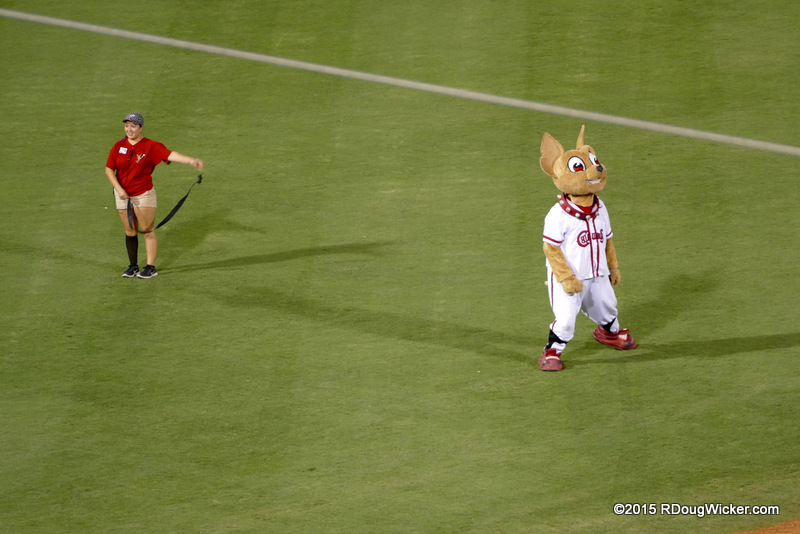
Off his leash

Off his leash

A happy fellow

A happy fellow

El Paso skyline

El Paso skyline

1 Comment

Filed under Photography, R. Doug Wicker