We arrived in Cherbourg, France, the day after Saint-Malo and our day trip to the tidal island of Mont Saint-Michel and the medieval walled city of Dinan. Cherbourg’s big claim to fame was that it was the first stop after leaving Southampton, England, made by the RMS Titanic. The RMS Titanic struck an iceberg at 23:40 hours on April 14, and succumbed to the resulting damage by disappearing beneath the icy Atlantic waves some two hours and forty minutes later, breaking apart and heading to the bottom at 02:20 hours on April 15. The year was 1912—just one week shy of 100 years from when our ship passed over the Titanic’s watery grave at 02:00 hours on the morning of April 8 as we made our way from Bermuda to Saint-Malo. For more on that tragic day, read this article on the Sinking of the RMS Titanic.
But the RMS Titanic was not our only brush with historical tragedy this trip. A far worse loss of life occurred on the night of June 5 and throughout the day of June 6, 1944. The location of this tragedy was along a 62-mile strip of sand and cliffs lining the beaches of Normandy, France.
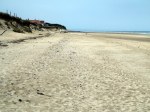
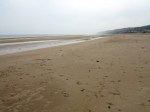
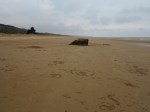
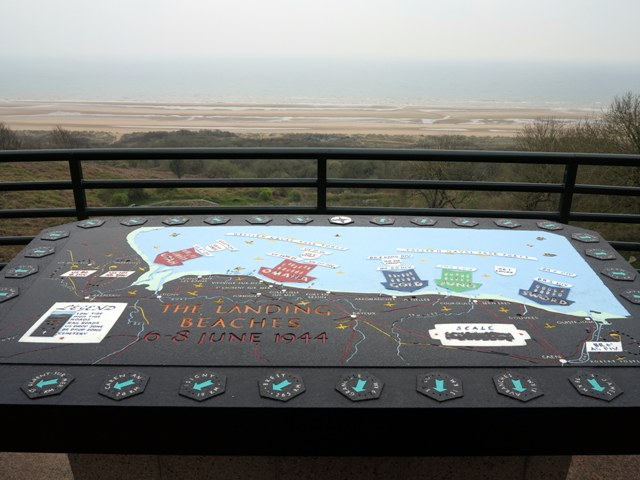
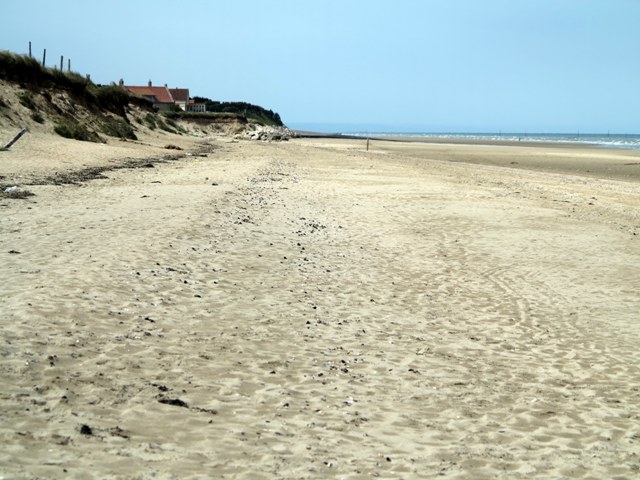
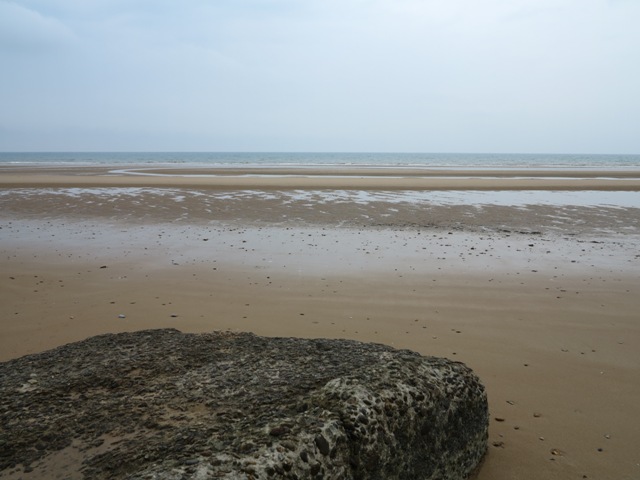
No trip to Normandy is complete without a pilgrimage to the beaches that took the brunt of the great D-Day Invasion of World War II. There were five invasion beaches in all stretching over a 62-mile front—Juno (Canadian and United Kingdom Forces), Gold (United Kingdom), Sword (United Kingdom and Free French Forces), Utah (United States) and (most infamously) Omaha (United States).
Omaha Beach was very nearly a disaster with a total of 3,000 casualties and 1,200 dead—many occurring within just minutes of arrival. Invasion personnel were pinned down by unexpectedly heavy German resistance even before making it out of the icy waters of the pounding surf. At one point early into the invasion, General Omar Bradley seriously contemplated evacuating what remained of his devastated forces, and Field Marshal Bernard Montgomery considered diverting elements of V Corp from Gold Beach to assist. Fortunately, U.S. Forces finally managed to break through the German defenders, eventually linking up with forces from other beaches as well as paratroopers and glider assault forces that hand landed behind enemy lines the night before.
Total casualties of Allied troops that day among the five beaches and the airborne troops who preceded the invasion numbered around 10,000, of which approximately 2,500 were killed. German forces suffered an estimated 9,000 casualties. U.S. losses alone were 1,465 killed out of a total of 6,603 casualties.
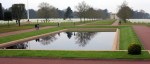
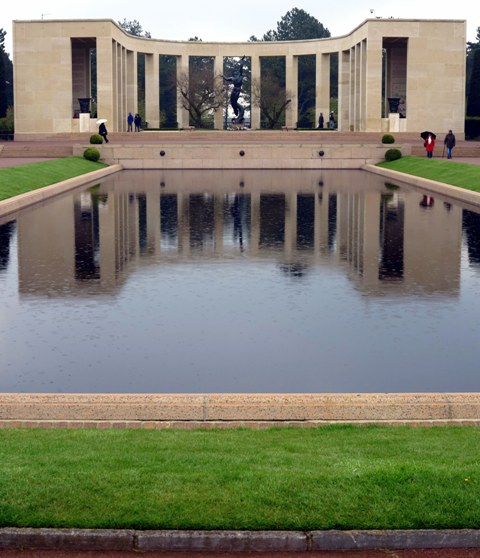
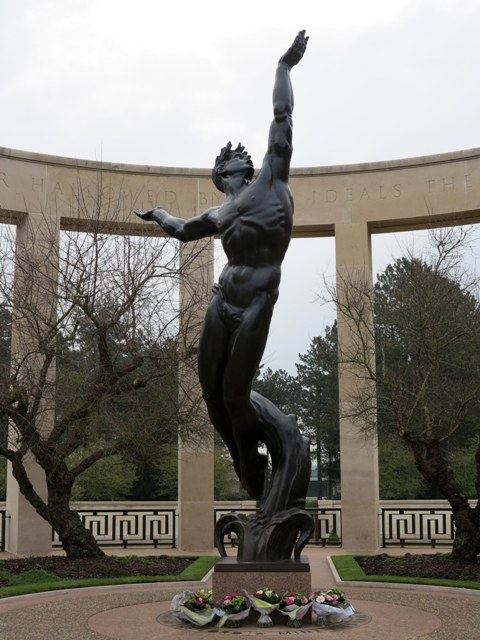
Over the month following the initial invasion nearly 30,000 Americans lost their lives liberating Normandy. After the war relatives of the deceased were given the option of having the remains of their kin shipped home or left in the country in which they fell. In an expression of gratitude for these sacrifices, France ceded to the United States 172.5 acres for the Normandy American Cemetery and Memorial. Today all but one of the 9,387 grave sites contains the remains of a member of the U.S. military who died in World War II. The exception is one lone combatant from World War I. That would be Quentin Roosevelt, who was transferred to the Normandy American Cemetery and Memorial to lie beside his brother, Brigadier General Theodore Roosevelt, Jr., who led the Utah Beach Invasion and who died of a massive heart attack just thirty-six days later.
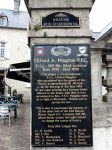
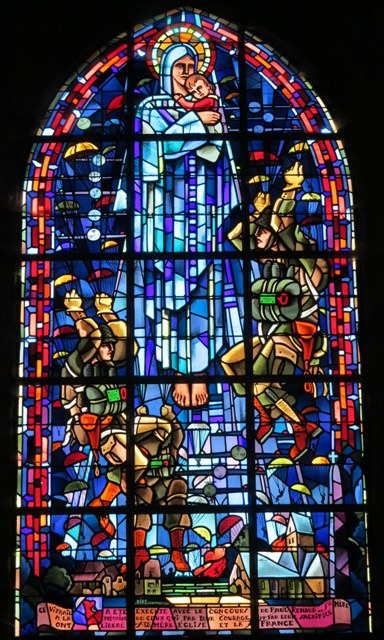
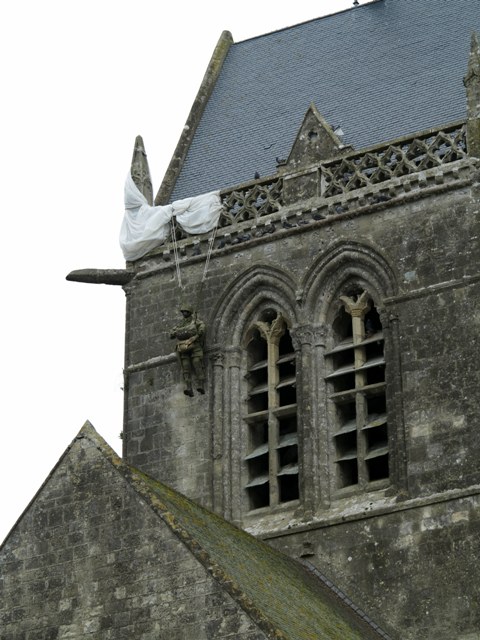
Further inland elements of the U.S. Army 82nd Airborne were having their own problems with Mission Boston. The paratroopers of the 505th Infantry Regiment missed their landing zone and wound up drifting into the town of Sainte-Mère-Église. In one particularly famous incident that night, Private John Steele‘s parachute became snagged on the town church, leaving him dangling above the ground to witness the carnage as several of his fellow paratroopers were gunned during their descent into the central square. Private Steele survived by going limp and feigning death. Eventually, the Germans brought him down and took him prisoner.
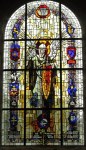
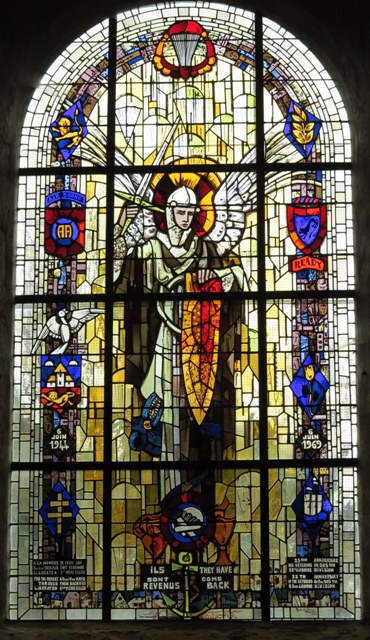
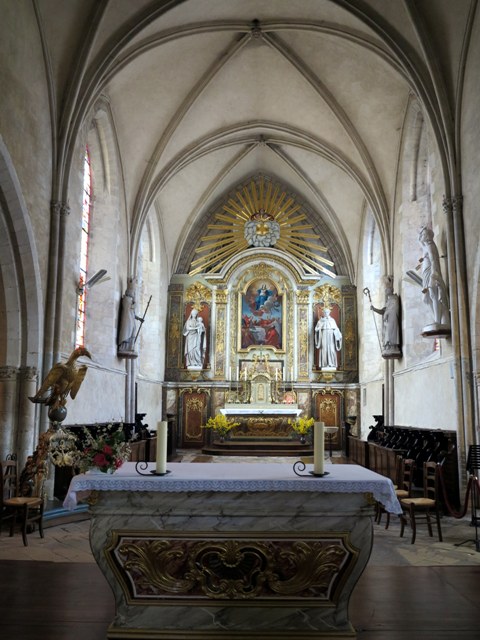
As you peruse the photographs below, you will see that Private Steele’s predicament is commemorated even to this day with a mannequin in full combat gear dangling by parachute from the town church. Take a close look at the church stained glass windows as well. You’ll see references to the 82nd Airborne and images of paratroopers.
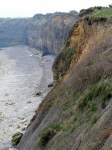
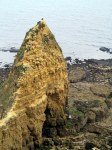
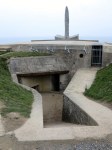
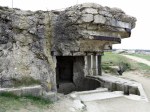
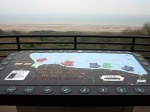
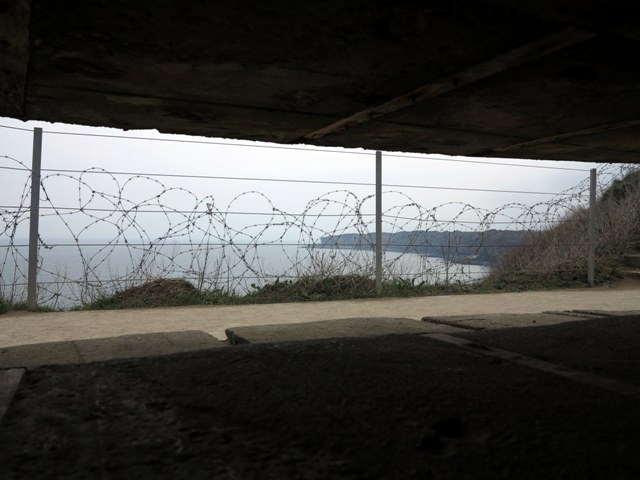
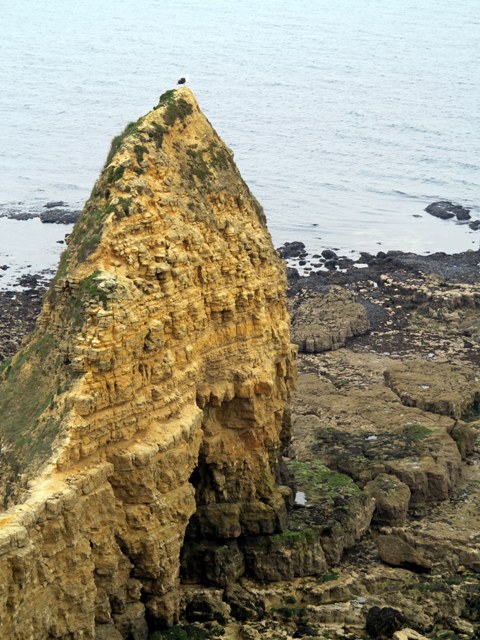
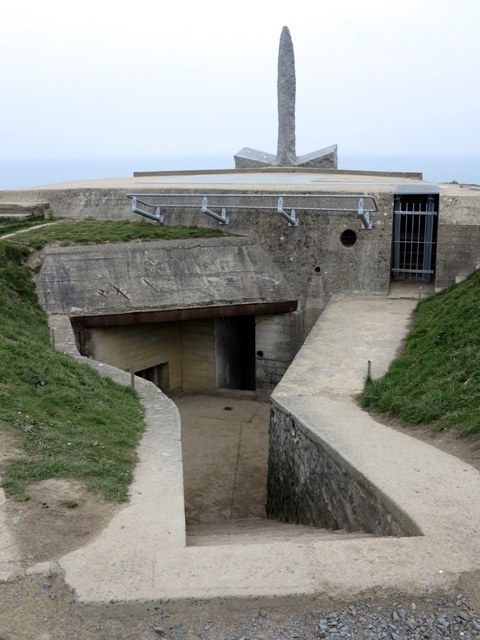
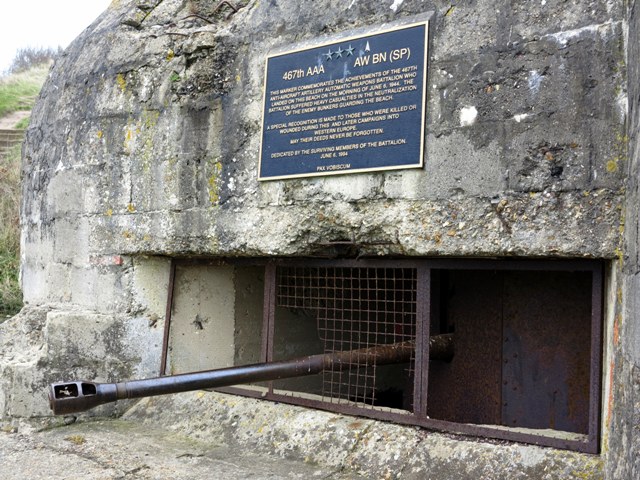
One final location you’ll find pictured below is Pointe du Hoc. Pointe du Hoc is infamous as one of the more needless tragedies of the D-Day Invasion. Nearly everything that could go wrong with this operation did go wrong, not least of which was that the mission was to capture large gun emplacements that weren’t there. Though the concrete casements were still in place, the 155mm canon had been relocated about a mile away. The photograph overlooking Utah Beach through a slit of concrete was taken from inside the German Command Bunker at Pointe du Hoc.
-

-
Pointe du Hoc
-
-
Pointe du Hoc
-
-
Pointe du Hoc
-
-
Pointe du Hoc
-
-
Pointe du Hoc
-

-
Pointe du Hoc
-

-
Normandy American Cemetery
-

-
Normandy American Cemetery and Memorial
-

-
Normandy American Cemetery and Memorial
-
-
Normandy American Cemetery and Memorial
-
-
Normandy American Cemetery and Memorial
-

-
Normandy American Cemetery and Memorial
-

-
Normandy American Cemetery and Memorial
-
-
Ste Mère-Église
-

-
Ste Mère-Église
-

-
Ste Mère-Église
-
-
Ste Mère-Église
-

-
Ste Mère-Église
-

-
Ste Mère-Église
-
-
Utah Beach
-

-
Utah Beach
-

-
Utah Beach
-
-
Omaha Beach
-

-
Omaha Beach
-
-
Omaha Beach














 Decisions — Murder in Paradise
 The Globe — Murder in Luxury
 R. Doug Wicker — Author