Québec Part 4 — Lower Town for a Poutine Break


View of Lower Town from the ship

View of Lower Town from the ship

The predominant feature of Old Town simply has to be the impressive, towering Fairmont de Château Frontenac jutting proudly above the Québec City skyline. It dominates the entire view of Québec regardless of the photographer’s vantage point. Indeed, it was the most striking edifice greeting Ursula and me when we first saw Québec from the decks of Holland America’s MS Maasdam early the morning of our arrival.

Château Frontenac framed by Trees

Château Frontenac framed by Trees

That’s not to say that the Lower Town is devoid of things to see and do. Quite the contrary. Indeed we wound up visiting several stores in this area whereas we made no such stops in Upper Town. But first we would have to descend from Upper Town to Lower, and as we had taken the Old Québec funicular going up we decided to take a leisurely stroll back down.
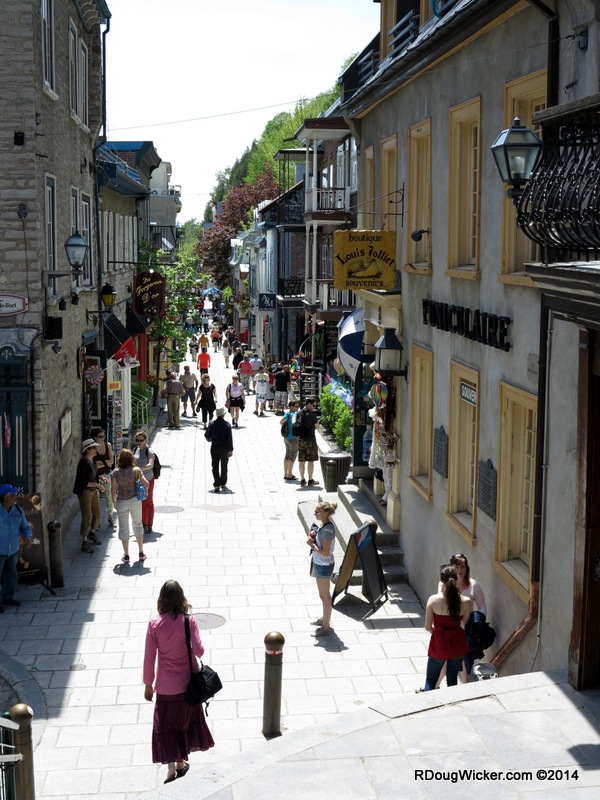
The final steps on the descent

The final steps on the descent

Now a word about poutine. We tried this concoction back in Montreal and were decidedly unimpressed by this combination of gravy-drenched fries littered with cheese curds. The fries were a greasy mess and the gravy tasted as though it came from a mix or a can. It was, in short, disgusting. The only redeeming feature was the cheese curds, which we wound up picking out of the grease and gravy. Before you say that Ursula and I visited the wrong Montreal establishment, this was at a place recommended by the locals because of their fresh, hand-cut fries.
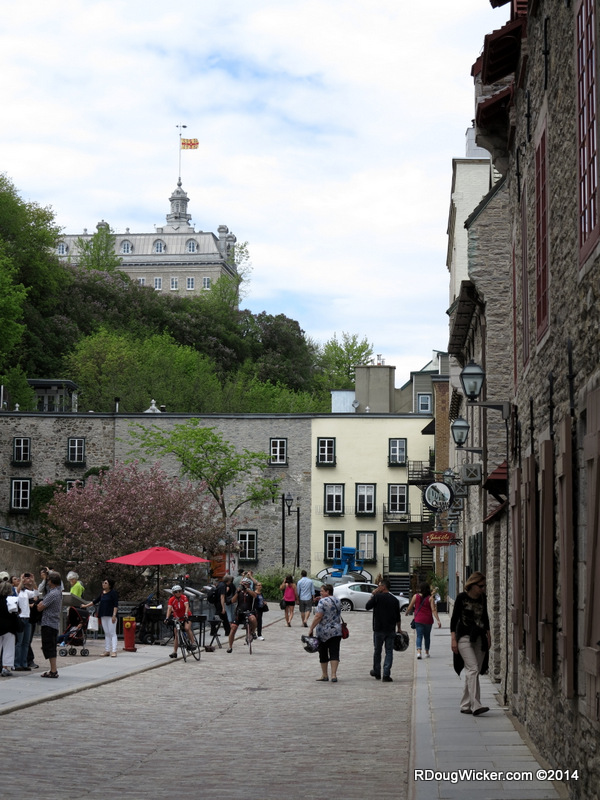
Upper and Lower

Upper and Lower

And so it was with great trepidation that we decided to try poutine again in Québec City, but not immediately. Ursula and I were seeking refreshment after our long day trekking through the streets of Old Québec’s Upper and Lower Towns, so we stopped at a local establishment named Côtes-à-Côtes Resto-Grill. I ordered an ale, Ursula a soft drink, and we eyed some great looking fries at the next table, so we ordered a helping of that as well. The fries were great — firm, light, crisp, golden, and not a hint of greasiness. Definitely an improvement over the limp example in Montreal.
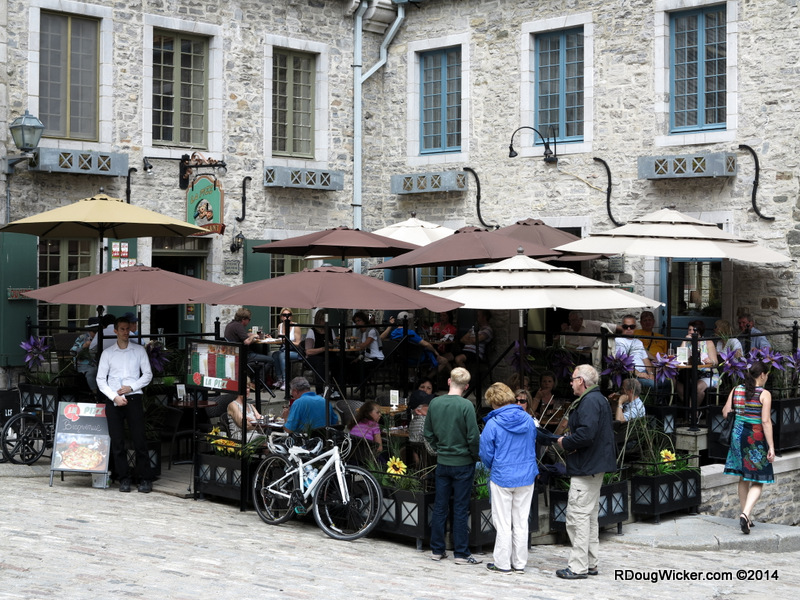
A fun café

A fun café

We were so impressed with the fries that we inquired about Côtes-à-Côtes’ poutine. Our ever helpful and friendly waitress informed us that theirs was a local award winner, particularly the poutine topped with pulled pork. How was it? In two words, simply amazing. In pictures, it was:

Poutine Delight

Poutine Delight

Our hunger abated and our thirst quenched we set back out on foot for our journey through Lower Town back to the MS Maasdam. Click on any image below to bring up today’s slide show:

3 Comments

Filed under Photography, R. Doug Wicker, travel

Québec Part 3 — Still Cruisin’ through Upper Town


Upper Town Québec

Upper Town Québec

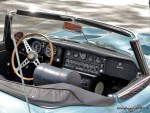
If cars are an indication of a city’s wealth, then Québec must have quite a few well-heeled residents.  Ursula and I saw several classics such as a Shelby Cobra 427 motoring about town.  Of course it could have been a kit car, but this beauty certainly wasn’t:

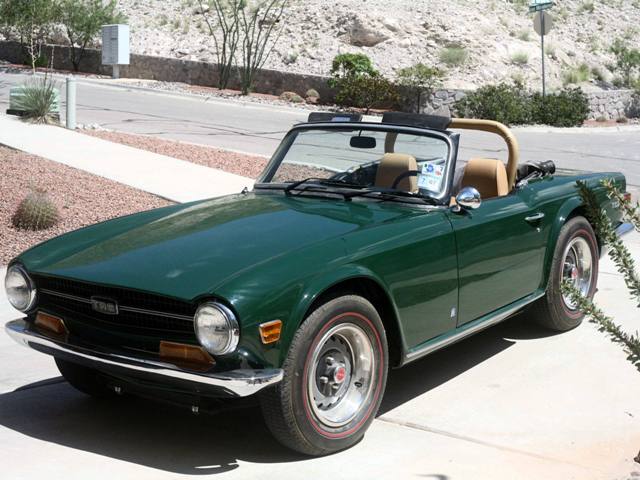
But, then, if you’ve been following my blog for any length of time you know I’m a sucker for roadsters in general and English roadsters in particular (The Art and Joy of Roadstering—Part 1; The Art and Joy of Roadstering—Part 2)

3.0-liter 2001 BMW Z3

1972 Triumph TR6

But I digress.  Sorry about that.  Walking the streets of Québec’s Old Town is like walking the streets of an old French town.  Ursula and I were simply awe-struck at the charm of this wonderful area:

Musée du Fort

Musée du Fort

On Wednesday we’ll take one last look at Upper Town and then head back into Lower Town for some poutine.  Until then, enjoy today’s slide show by clicking any image below:

1 Comment

Filed under Photography, R. Doug Wicker, travel

Winchester Rifles — Part 2


P1060381

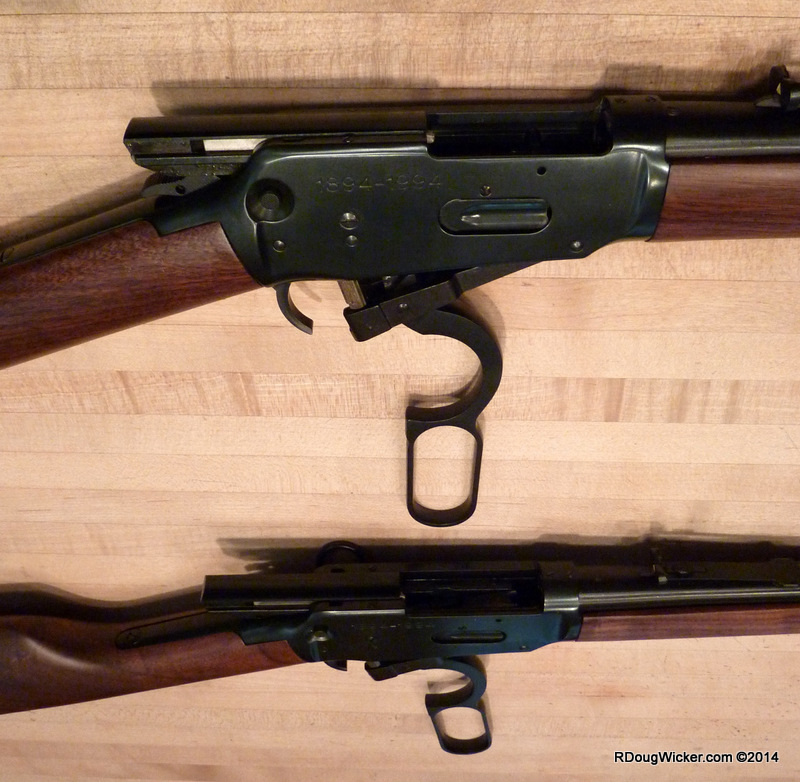
Winchester Model 1894 Rifles

John Moses Browning is the most famous gun designer in history. His accomplishments include:

  • The Colt Model 1911, a pistol that has endured in the U.S. military for over 100 years, and the design basis for nearly every locked-breech handgun made to this day.
  • The Browning Hi-Power (completed nine years after Mr. Browning’s death in 1926), the first truly successful double-stacked magazine handgun — a weapon that would later go on to serve in the military of over 50 nations
  • The world’s first gas-operated machine gun, which in turn led to the incredible Browning .50-caliber Machine Gun and the equally famous Browning Automatic Rifle (BAR) of World War II fame
  • And, of course, the later much-improved versions of the Winchester lever-action rifles.

Browning’s first design for the Winchester Company was the Model 1886, designed for the most powerful rifle cartridges of that era. The Model 1886 would later form the basis for the Winchester Model 71, which was made for 23 years beginning in 1935.

But by the early 1890s the Winchester Model 1873, last of the true pistol caliber Winchester rifles up to that point, was showing its age. Winchester once again turned to Mr. Browning for a replacement. The story goes that Winchester Company President Thomas Gray Bennett offered Mr. Browning a bonus of $10,000 if Browning could design the replacement for the Model 1873 in 90 days, and a $15,000 bonus if he could do it in just sixty. Mr. Browning countered with an offer to produce the new design in less than a month if Mr. Bennett would increase that offered bonus. Mr. Bennett agreed, and less than thirty days later the genius John Moses Browning walked off with $20,000 dollars after dropping off the Model 1892 design.

P1060382

Winchester Model 1894 Rifles

It is most often this rifle you see, the Model 1892, whenever you watch John Wayne spin-cock a loop-lever rifle in Westerns from El Dorado to True Grit. And, as previously mentioned, it is the Model 1892 that somehow found its way back in time and into the hands of New Mexico Rancher Lucas McCain almost a dozen years before its introduction.

What is spin-cocking, by the way? It’s a Hollywood invention, but it’s neat-looking as all get-out:

It’s also impractical as all get-out. The rifle shown had to be specially modified to keep the cartridge blank from falling out of the chamber as the rifle is twirled. It’s also dangerous as all get-out, in that you’re more likely to shoot yourself trying this than you are to bring the weapon to bear on a man wearing a black hat.

Ready for Inspection

Ready for Inspection

Which brings us to the rifles shown in this weekend’s mini-blog series, the Winchester Model 1894. The Model 1894 is again a John Browning design, but unlike his pistol-caliber Model 1892 this rifle has more in common with his Model 1886 — it’s chambered for rifle rounds. Indeed, the .30-30 was invented with this rifle in mind, and the Model 1894 in that cartridge was for over 100 years the hunting rifle of choice for many deer hunters in the U.S.

Winchester Model 1894 Rifles

Winchester Model 1894 Rifles

Winchester Model 1894 Rifles

Winchester Model 1894 Rifles

I hope you enjoyed this bit of Western firearm history. Tomorrow we’ll return to our tour of Québec from the MS Maasdam.

Bibliography links to today’s blog topics:

5 Comments

Filed under Firearms, R. Doug Wicker