
This is photo tip week. We’ll be emphasizing filters and filtering effects both today and Wednesday. As for Friday, well, we’ll have to wait and see as I’ve not yet quite made up my mind, but I’m leaning toward how to photograph real estate (or even your own home).
If you have a DSLR, or any of the more upscale cameras that have filter threads over the front of the lens, there is one filter that every serious photographer really must possess. This is the Polarizing Filter. The digital age has made color correction filters practically obsolete, as you can usually change the color white balance to whatever you’ll need. In the case of black and white pictures, advanced cameras also allow you to internally set a “digital” filter that emulates the standard Green, Yellow, Orange, and Red Filters most frequently used in monochrome photography (Wednesday’s blog will be on this subject). However, the effects of the Polarizing Filter simply cannot be duplicated by any digital means, as this filter acts directly on the light prior to it entering the lens by changing the light’s very nature and quality. Digital filtering can only change how light is interpreted by the camera after the light has struck the camera’s sensor.
So, what does a polarizer do? Well, most reflected light is polarized light. An example of this is the blue sky, in which sunlight is scattered (i.e., “reflected”), off particles in the atmosphere. This “scattering” (reflection), particularly in the blue wave lengths, is why the yellow sun causes what we perceive to be a “blue” sky. This polarization effect occurs on pretty much all reflections off any nonmetallic surfaces. By placing a Polarizing Filter between the object being photographed and the focusing lens (whether that “lens” is your camera or your eye) and then rotating that filter, you can block most of the polarized light while allowing most non-polarized light to pass through relatively unchanged. Put on a pair of polarized sunglasses and you’ll see what I mean. After you don them, tilt your head from one side to the other. The intensity of the sky will change. Tilt one way and you’ll see that familiar light blue color. Tilt the other way and, as the scattered, polarized light is blocked, the sky darkens dramatically. This same effect works with reflections off water—tilt your head the right way and those sunglasses will all but eliminate the reflections you see on the surface of a lake, pond, stream, or even a swimming pool. Reflections off, say, a highly polished chrome or a mirror remain non-polarized, and would therefore be unaffected by a Polarizing Filter.
A Polarizing Filter for your lens does the same thing. It a piece of polarized glass mounted on a double ring. One ring attaches to the threads on your camera’s lens. The other ring allows you to rotate the filter glass to change the effect. Orient the filter one way and the effect disappears. Orient the filter 90° left or right of that and the sky will darken or reflections off water or glass will practically disappear. A side benefit to this reduction in reflectivity is that colors often appear enhanced and more vibrant or saturated. Use a Polarizing filter to tame the polarized light bouncing off flowers, green leaves, and other vegetation, and you’ll often get a lot more apparent color saturation in your landscape photographs.
But there are limits to polarization effects. Polarization effects on blue sky work best at right angles to the sun. If you photograph a scene either in the direction of or directly away from the sun, the effect is reduced. For this reason, using a lens with a very wide angle will cause the polarization effect to be more pronounced in some areas and less pronounced in others. That’s because with a wide angle lens, you’re taking in a much wider swath of sky. A wider area takes portions of the photograph out of that optimum right-angle and includes sky that is more in line with the sun. This rule also applies to reflections. If you’re taking pictures of water and the sun is reflecting directly off the surface back toward your lens, don’t expect to get much benefit. The bright reflected sunlight will still wash out your picture of the water and may very well trick your camera’s exposure meter into underexposing the shot.
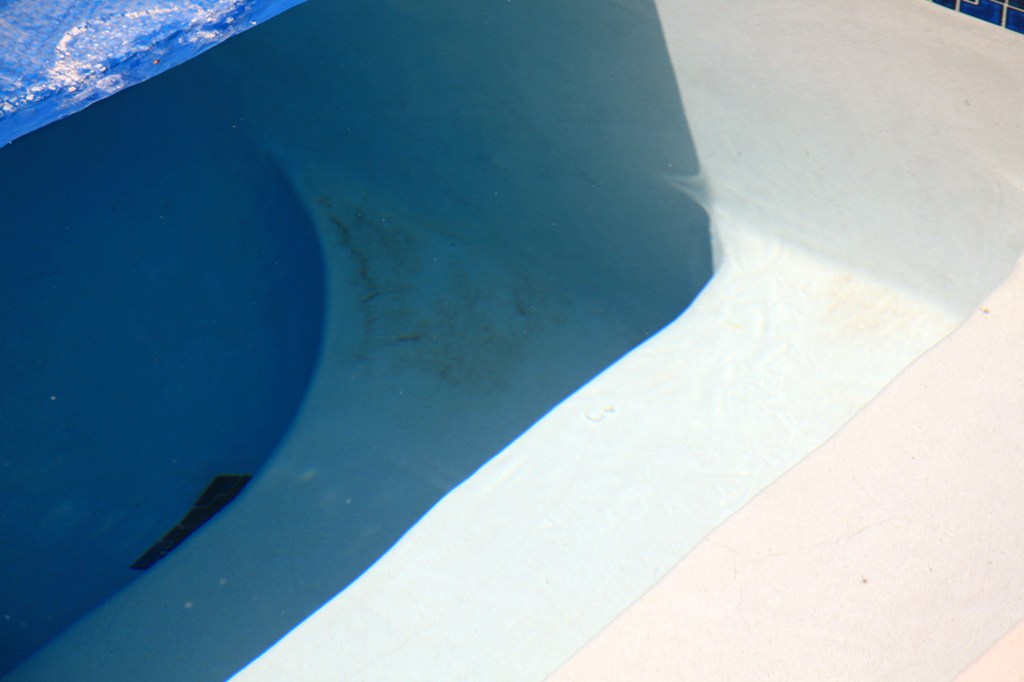
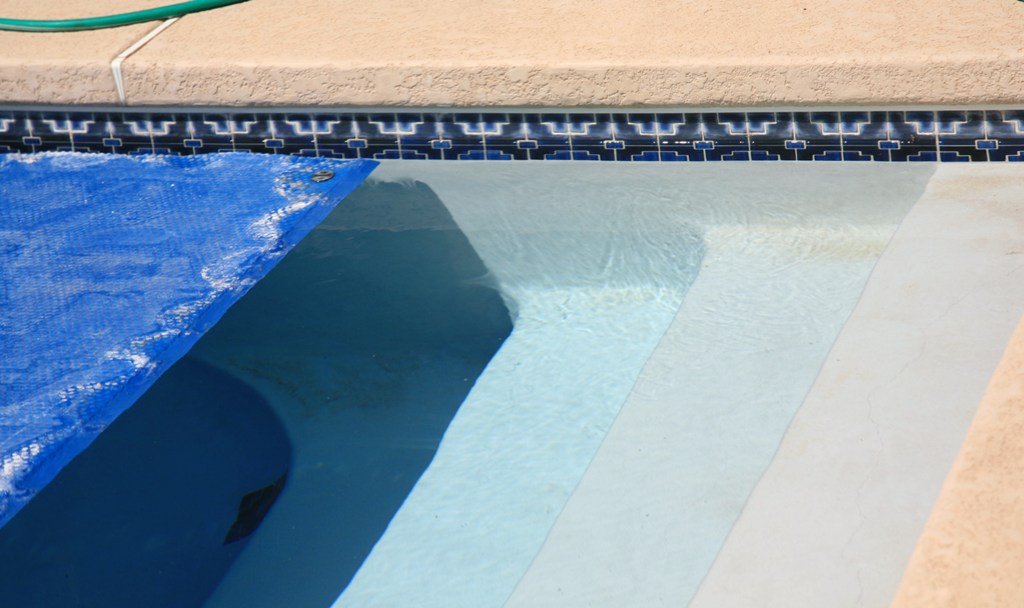
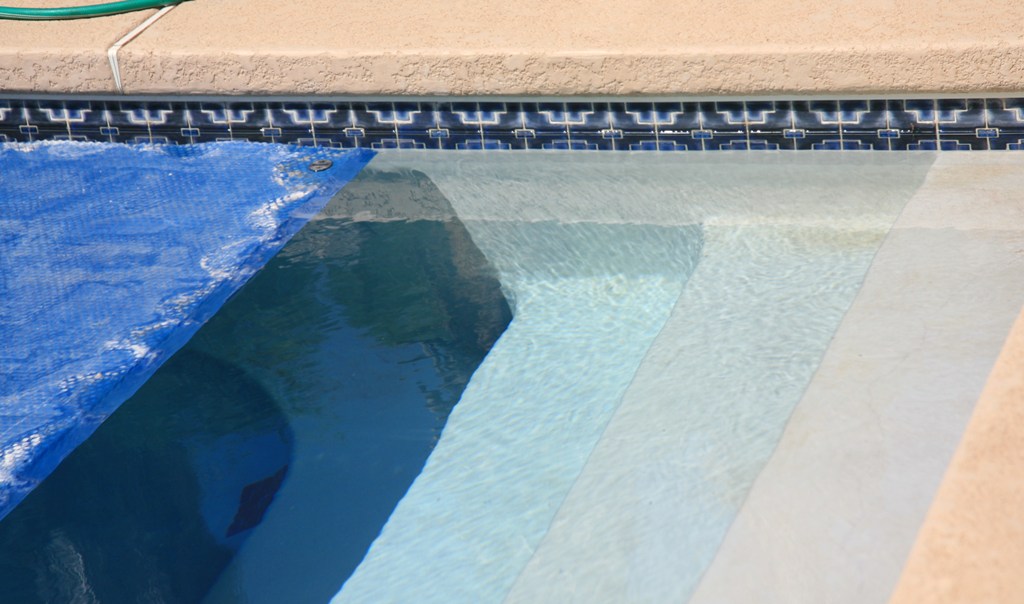
A polarizing filter can also change your camera’s focal point. Suppose you’re taking a picture of a palm tree reflected in a pool of clear, still water. If the polarizer is rotated for minimal effect, the camera will most likely bring the reflection into sharp focus, thus leaving whatever is beneath the surface blurred and out of focus. Rotate the filter 90° so that the reflection disappears, and the camera will focus on something below the surface of the water.
If your camera has filter threads, and if you decide to add a Polarizing Filter to your arsenal, I have one final caveat. There are two types of polarizers—linear and circular. Linear polarizers are more effective than circular but, unfortunately, most cameras today will not autofocus properly if you use a linear Polarizing Filter. Make sure you get a circular Polarizing Filter unless you intend to focus manually, and manual focusing can be a real pain after a very short while. Additionally, you cannot tell if a Polarizing Filter is linear or circular just by looking at it. That function has nothing to do with the shape of the filter or the fact that it rotates—it’s a physics thing that describes specifically how the filter acts on polarized light. So, when you go filter shopping, look closely at the package. Also, the outer ring of the filter should be marked with “Circular,” “Cir.,” “CPL,” “C-PL,” or some other notation indicating circular polarization.
What follows are examples of photographs taken with a Polarizing Filter. The photographs in the left column were taken with the Polarizing Filter rotated for minimum effect, and to the right is the same scene taken with the filter rotated for maximum effect. The first row shows how pictures taken in line with the sun show almost no effect from a Polarizing Filter. The second row demonstrates the polarizing effect at the optimum right angle from the sun (note how those white cumulus clouds really pop out in the polarized shot). The third row shows what happens to the uniformity of the polarization effect on a large swath of sky when using a wide angle lens. Row four is an example of reflection elimination, and row five shows what happens to autofocus depending on whether or not that reflection is present. Note also the increased color vibrancy of the tree and bush leaves in the polarized photographs in rows two and three compared with the non-polarized pictures to their left.









 Decisions — Murder in Paradise
 The Globe — Murder in Luxury

