
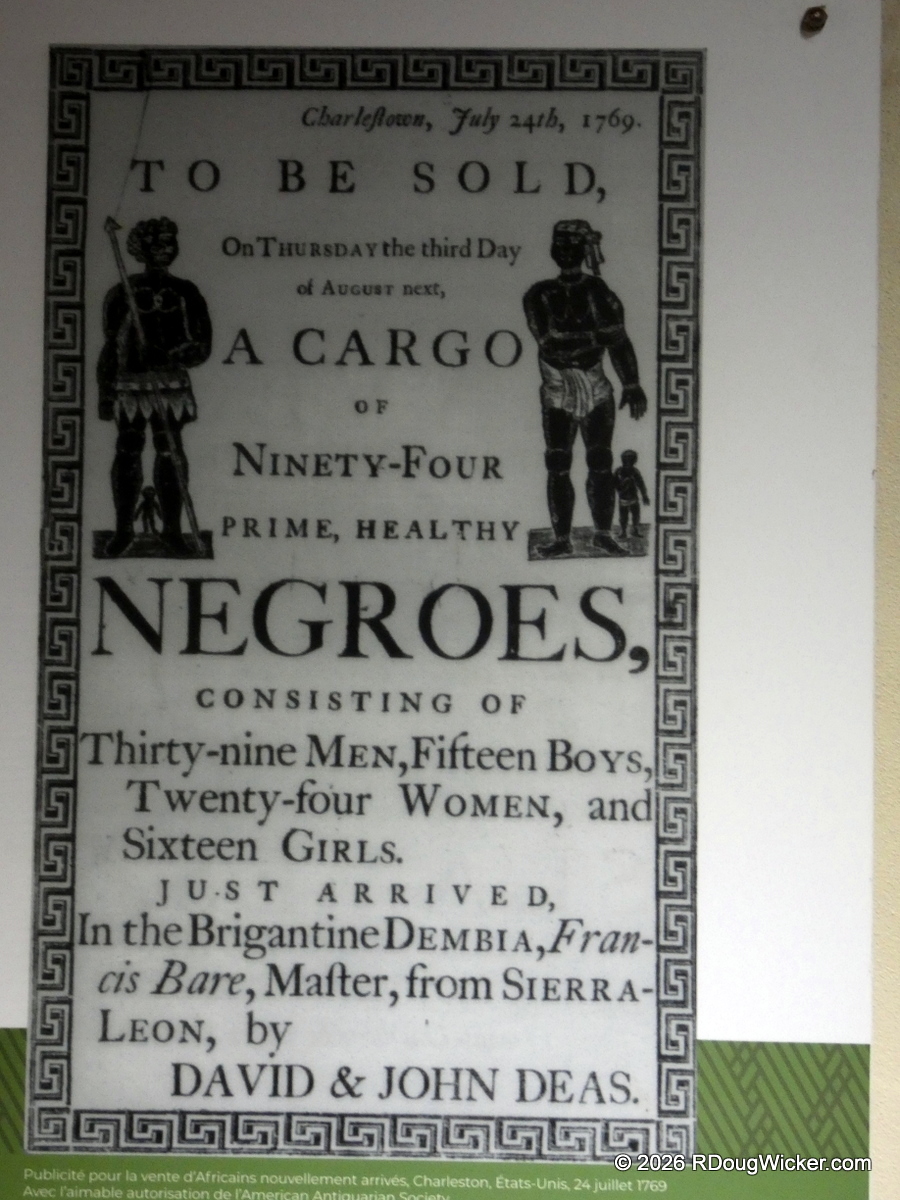
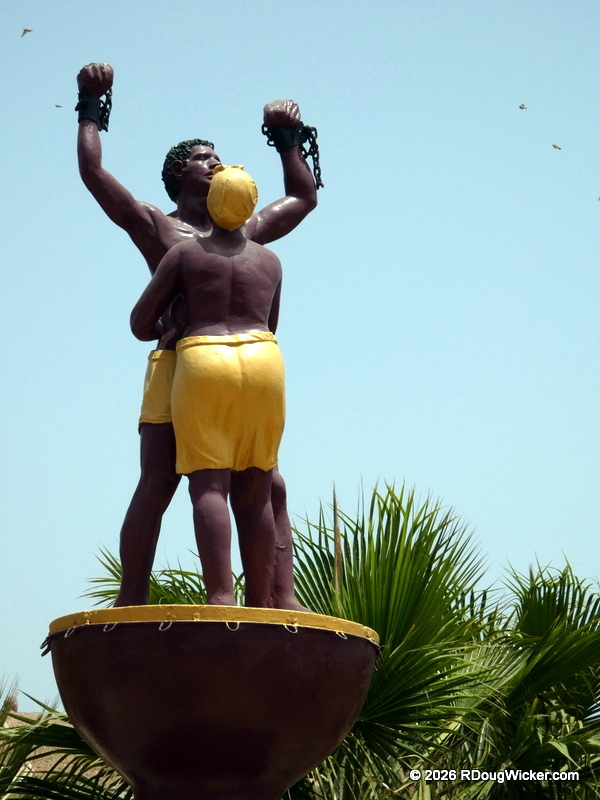
The French Compagnie du Sénégal (Company of the Senegal) used Gorée Island as a hub for the Atlantic slave trade beginning in 1677, and various entities using that same name continued to do so until France outlawed the trade in 1848. Over that period, it is estimated that 20 million Africans passed through Gorée on their way to North, Central, and South America. As such, there remain many reminders here of that horrific time.
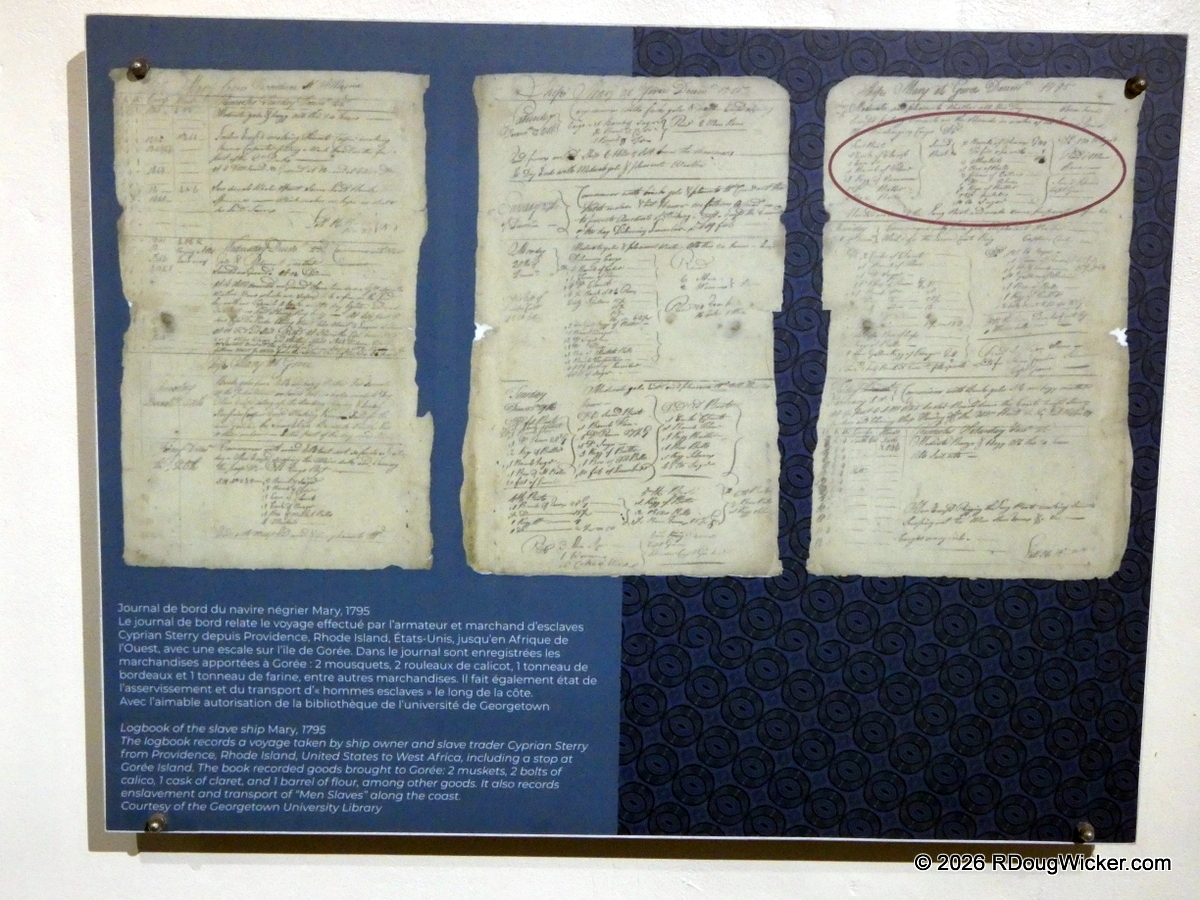
You’ll even find documentation of that trade in the House of Slaves, as well as other locations here. For instance, here are images for the logbook of the 232-ton slave ship Mary:
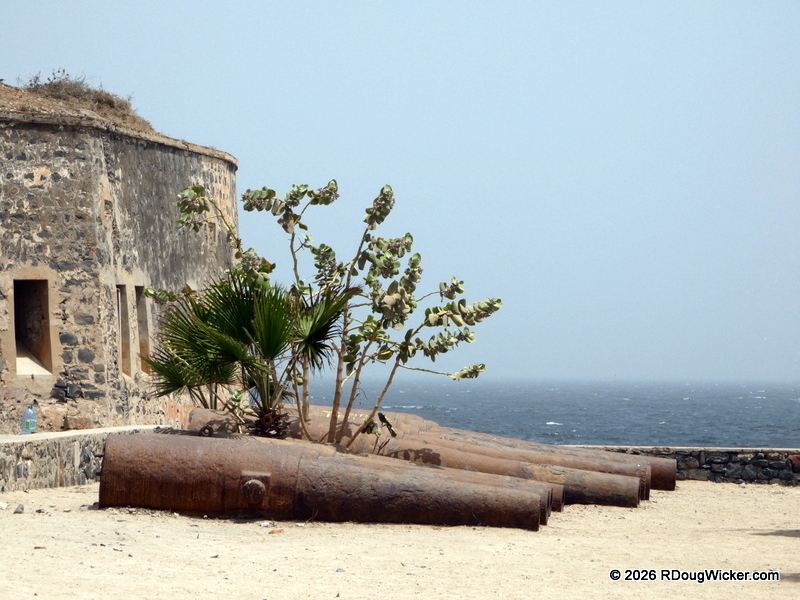
As the slave trade was of vital economic importance, it warranted military protection. For more on this ugly chapter, see: Goree Island, ‘The Door of No Return,’ a story.
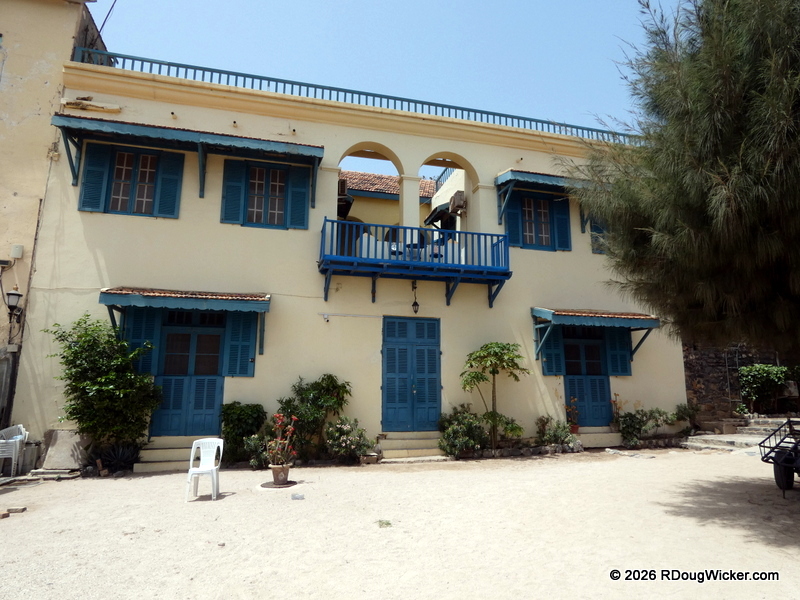
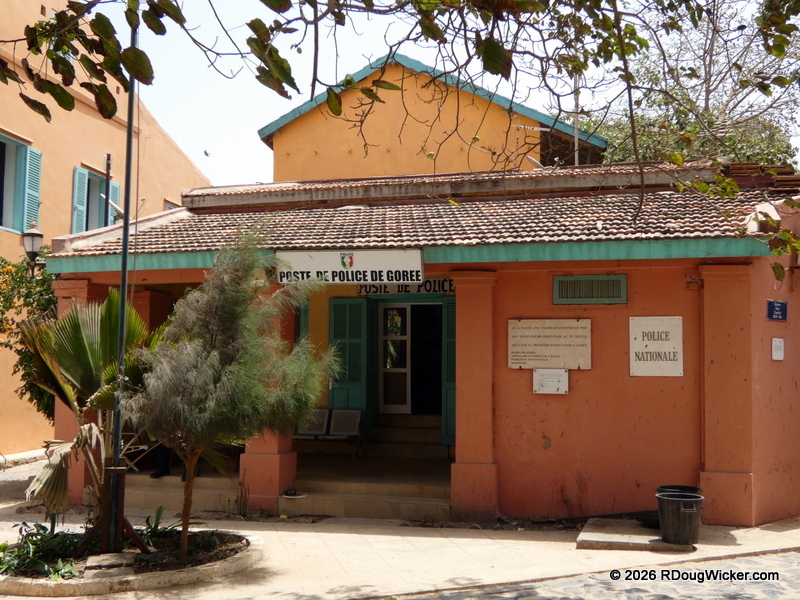
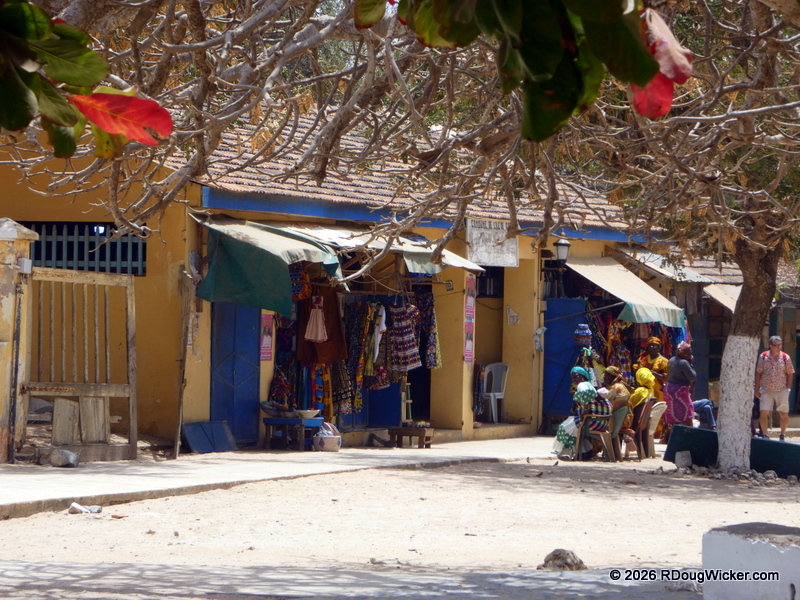
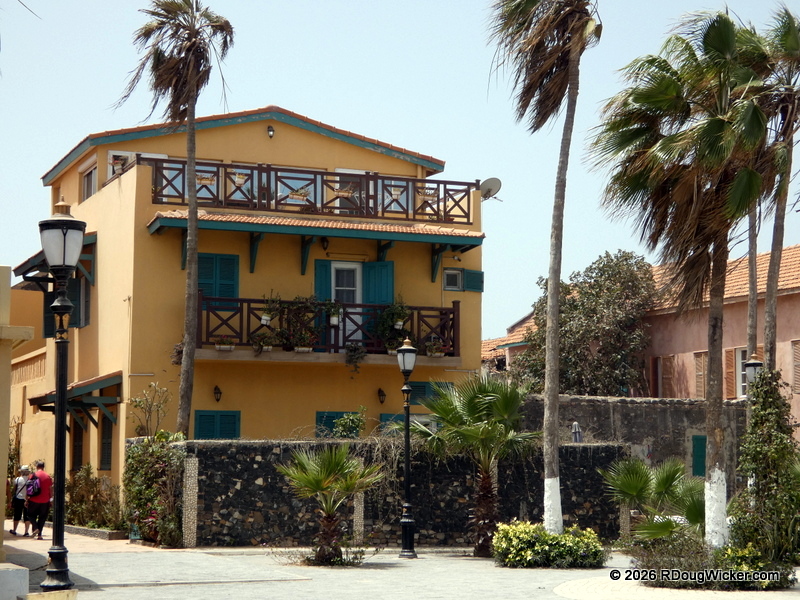
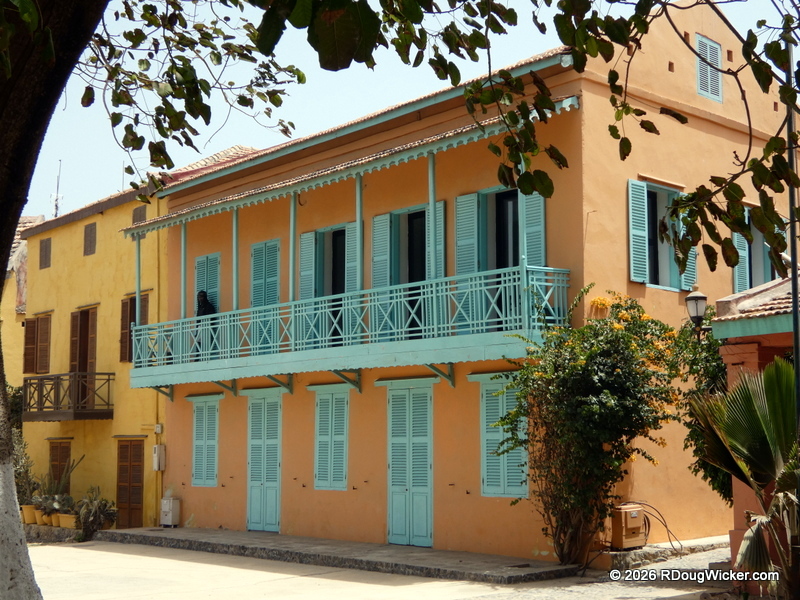
So, now you know why the sign greeting you to Gorée thanks you for your pilgrimage, as many descended from slaves make the journey here to remember. I would show you the House of Slaves, but photography of the exhibits is frowned upon. What’s not frowned upon are the other sights, including many interesting buildings dating back hundreds of years:
Слава Україні! (Slava Ukraini!)
 Decisions — Murder in Paradise
 The Globe — Murder in Luxury
 R. Doug Wicker — Author