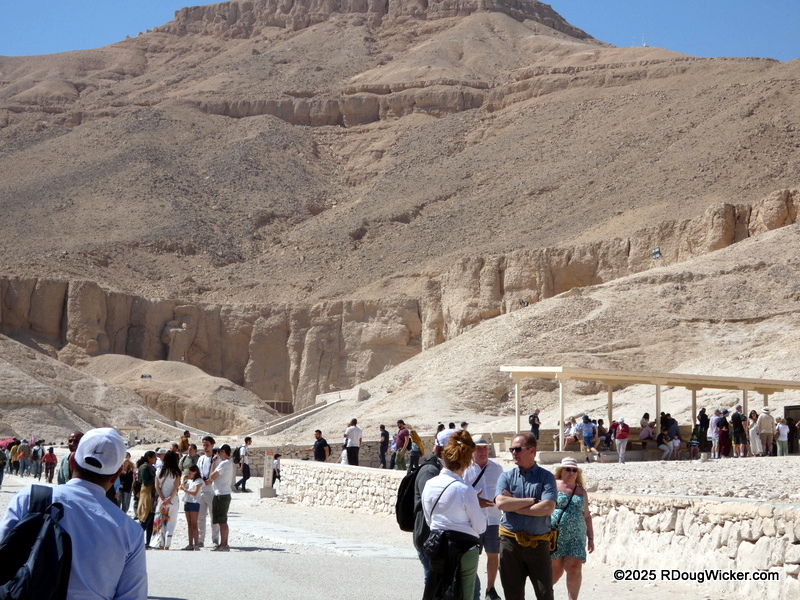
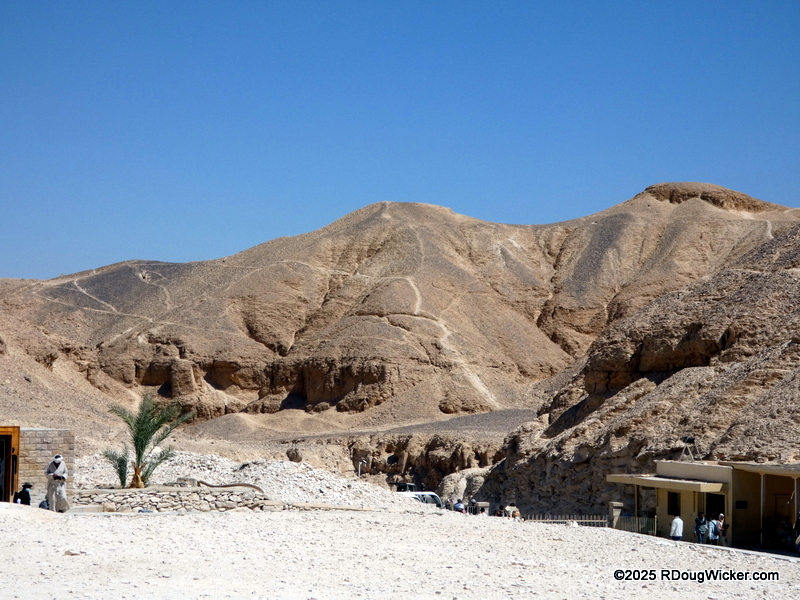
There are several drawbacks to building pyramids, but the primary one is that they’re expensive as heck. If one could find, say, an area of soft limestone into which one could carve underground burial chambers, just imagine the cost savings. But Egyptian pyramids had been around for a long, long time, starting with the Pyramid of Djoster during Egypt’s Third Dynasty (Old Kingdom) circa 2700 BC, and finishing up around 1525 BC with the completion of the Pyramid of Ahmose I during the 18th Dynasty (New Kingdom). So, if that burial area were situated beneath a huge pyramid-shaped mountain, so much the better. Welcome to the Valley of the Kings!
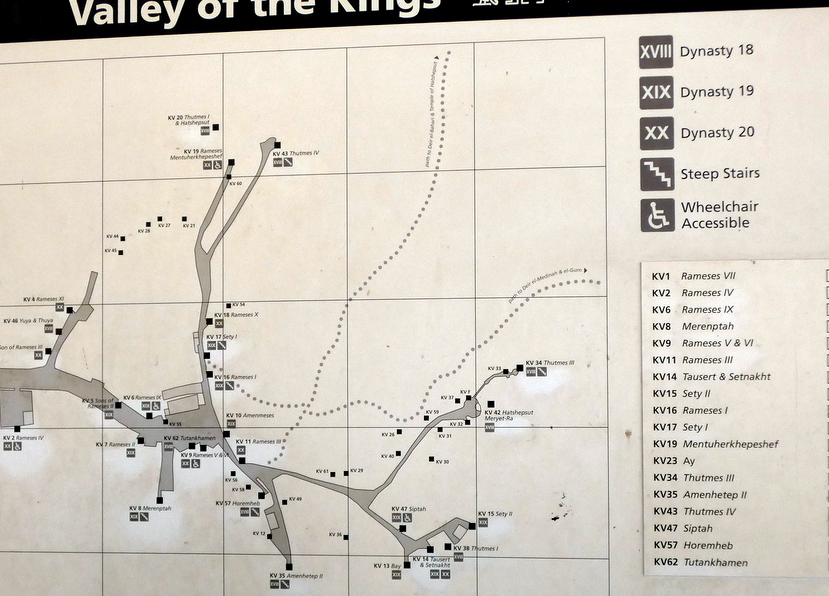
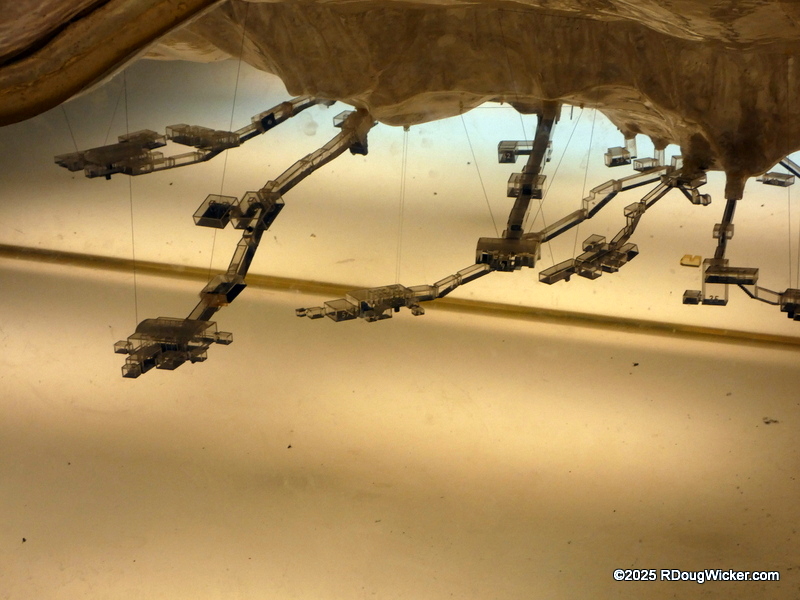
Since these tombs are beneath the ground, here’s how they would appear if you could see through the surface:
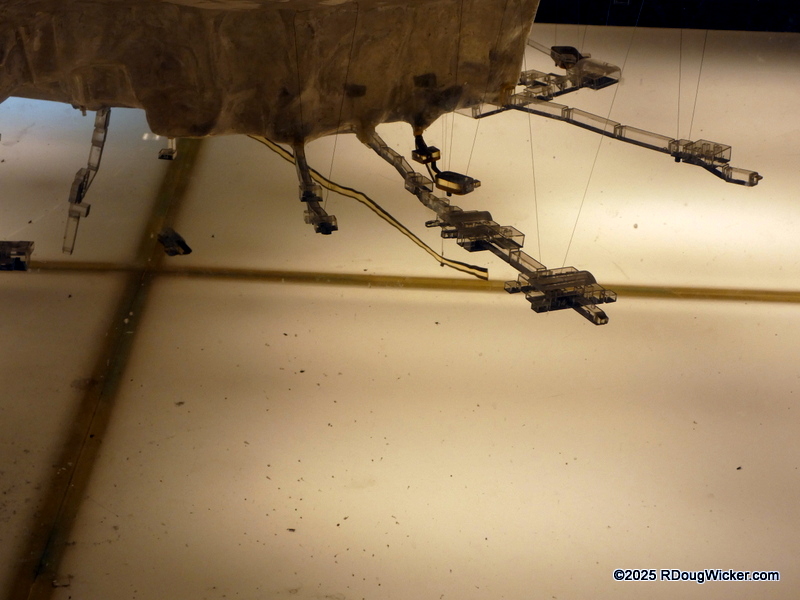
And while the official count is 65 chambers, that’s not really accurate because many of those tombs hold more than one chamber. Indeed, tomb KV5, belonging to Ramsesses II, contains an almost incomprehensible 120 chambers!
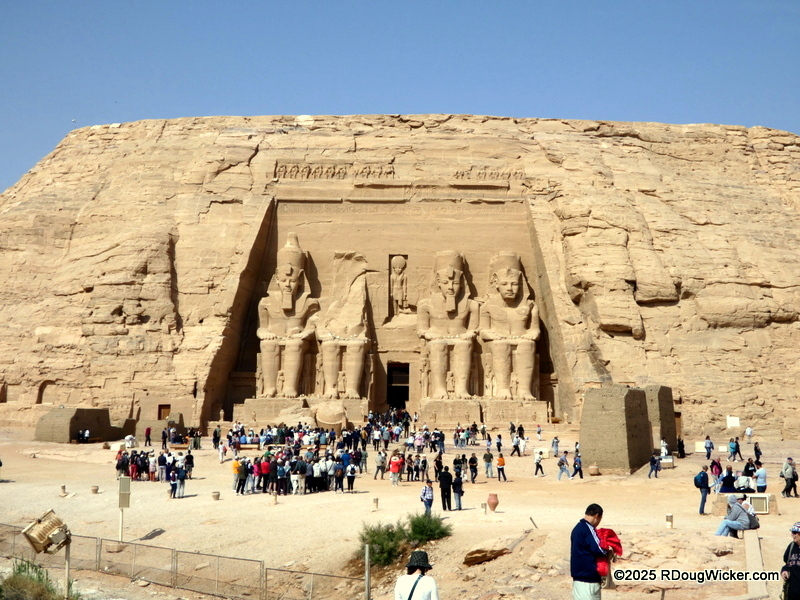
Remember Ramsesses II? We’ve talked about him before in reference to Abu Simbel:
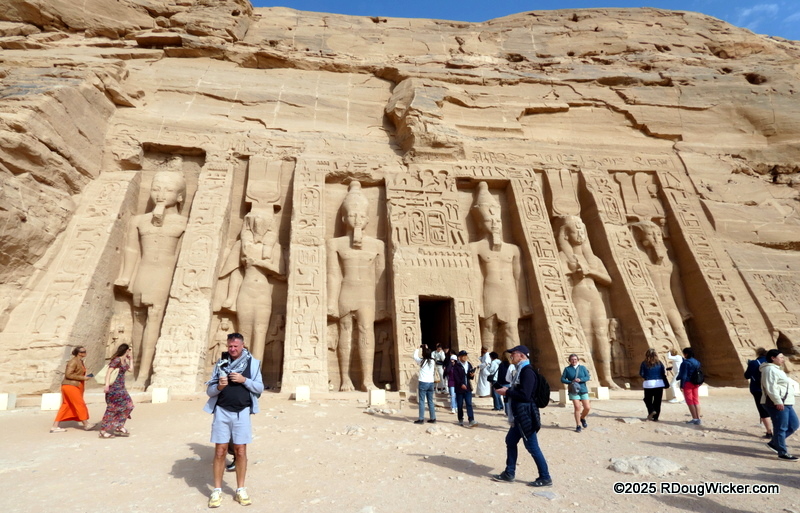

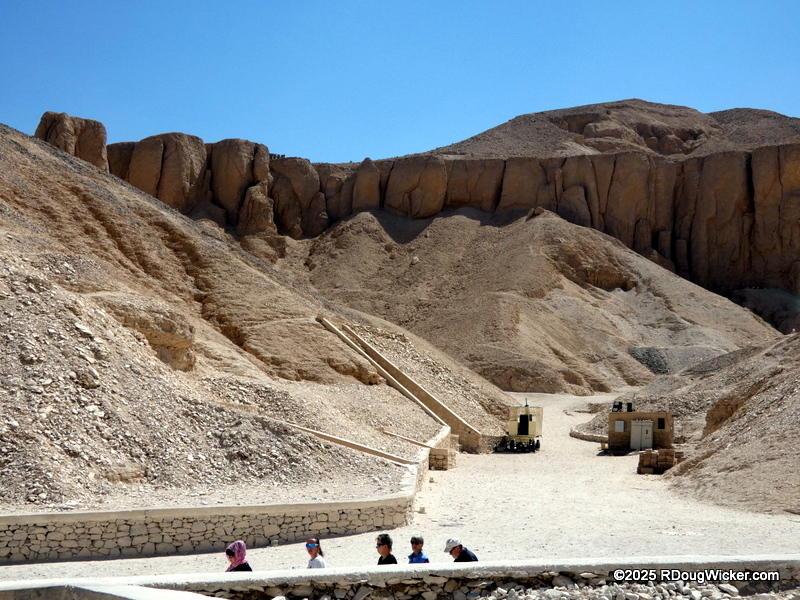
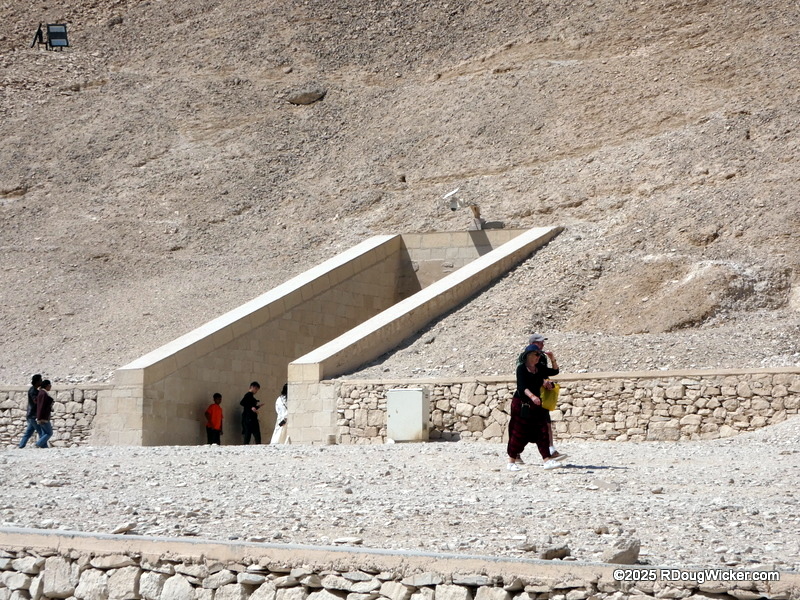
There is much to see here at the Valley of the Kings, so expect many more images from now through 14 November’s Fun Photo Friday. To whet you appetite, I’ll leave you with today’s final three images:
Слава Україні! (Slava Ukraini!)
 Decisions — Murder in Paradise
 The Globe — Murder in Luxury
 R. Doug Wicker — Author