

Santiago Ho-Ho
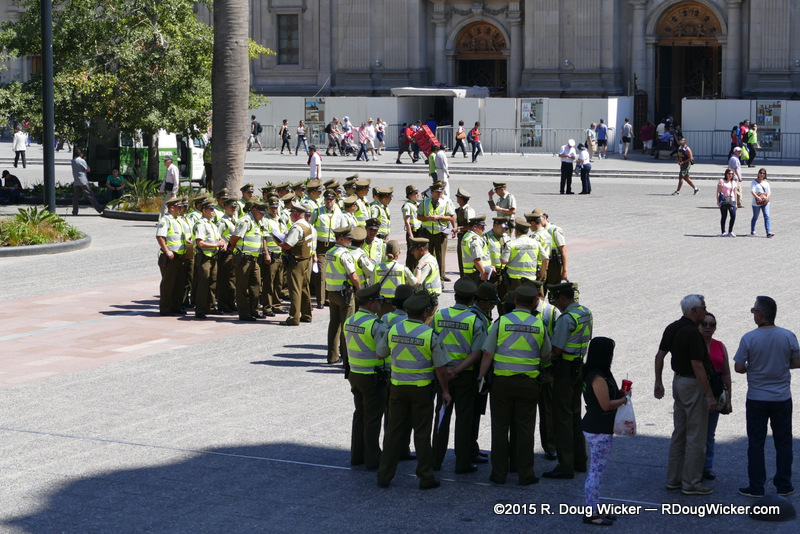
While visiting the sights is one advantage of using the Ho-Ho, you can’t beat an elevated view for capturing street images and people.
Santiago Ho-Ho
At street level there are far too many obstacles to good composition, not least of which are the oblivious ones who step right in front of your lens as you press the shutter release. Being above the oblivious has obvious advantages.
Santiago Ho-Ho
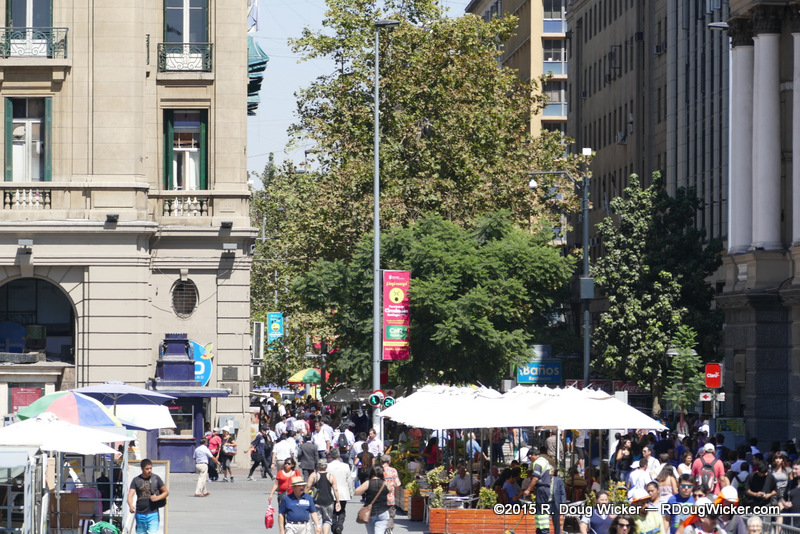
But there are disadvantages as well. For one, your ability to take level photos is compromised aboard a moving vehicle and your camera’s level indicator is rendered useless.
Santiago Ho-Ho
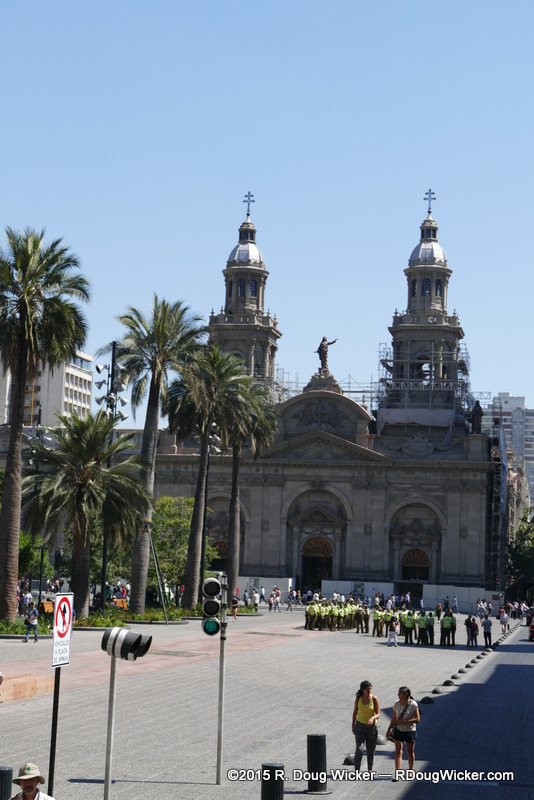
Tilting buildings can be straightened in post processing, but not without cost. If your manipulating a JPEG each and every “save file” results in more compression and loss of image quality. Also, straightening a image means some objects along the edge are going to be rotated off the image, which in turn may make additional cropping necessary.
Santiago Ho-Ho
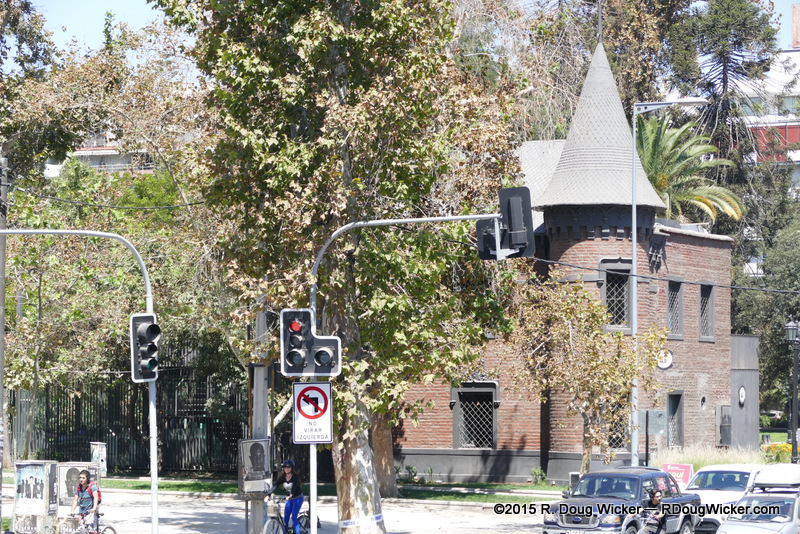
At any rate you may find an advantage here of zooming out to a slightly wider angle than you would normally prefer for maximum flexibility later on. This may be one of the few times camera raw will benefit the average photographer as well, if you’ve taken the time to master the intricacies of dealing with raw imagery and converting to JPEG or TIFF.

Santiago Ho-Ho
Another disadvantage is that cardinal sin in photography of cutting off people somewhere above the feet. It simply may be unavoidable in certain shots, so make sure the subject of the photograph is strong enough to detract from this flaw.
Santiago Ho-Ho
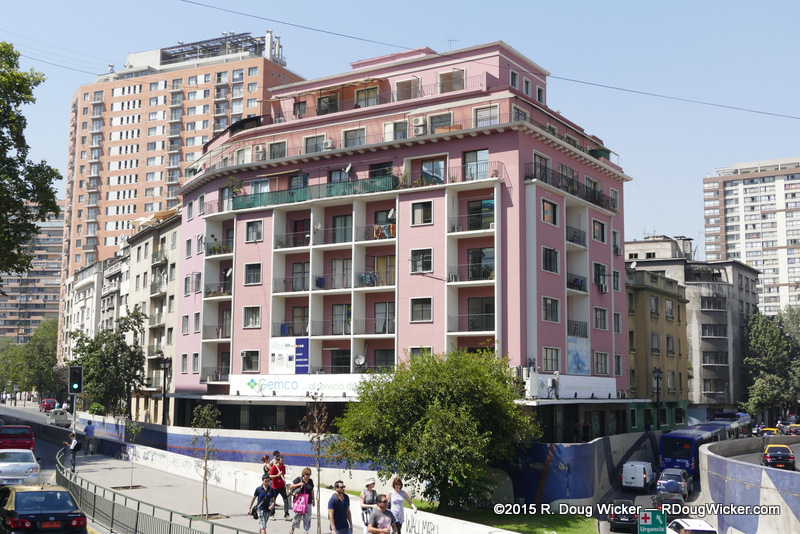
On the other hand, you won’t get shots such as this at street level:

Santiago Ho-Ho
But the point of travel photography is to bring a sense of your destination to the viewer. Let’s face it — composition will at times be secondary to that goal.

Santiago Ho-Ho
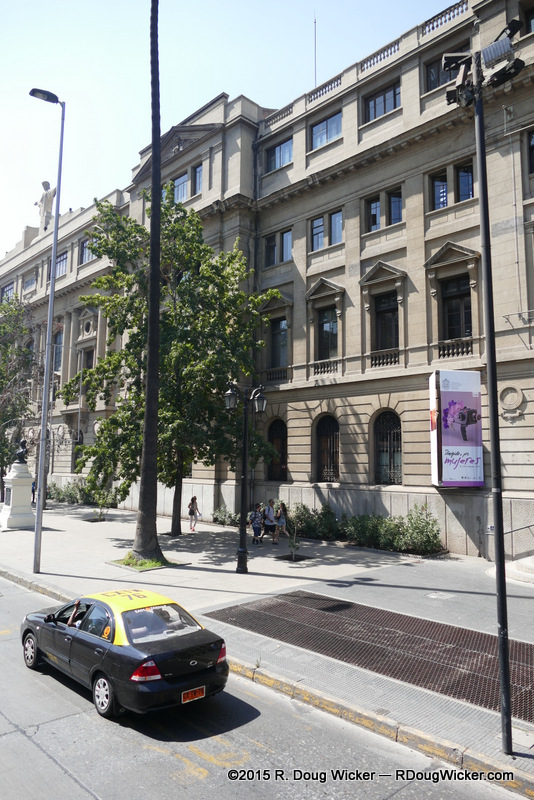
But not always:
Santiago Ho-Ho
 Decisions — Murder in Paradise
 The Globe — Murder in Luxury
 R. Doug Wicker — Author