Category Archives: travel

There Is No “Sand” In White Sands National Monument


Last week I posted pictures from our trip to Carlsbad Caverns and, thanks to a push by WordPress, that blog article has become by far my most popular to date.  Thank you, WordPress, and a big thank you to everyone who dropped by to take a look not only at that article, but others I’ve posted as well.

Today, we’ll continue looking at other highlights from that road trip.

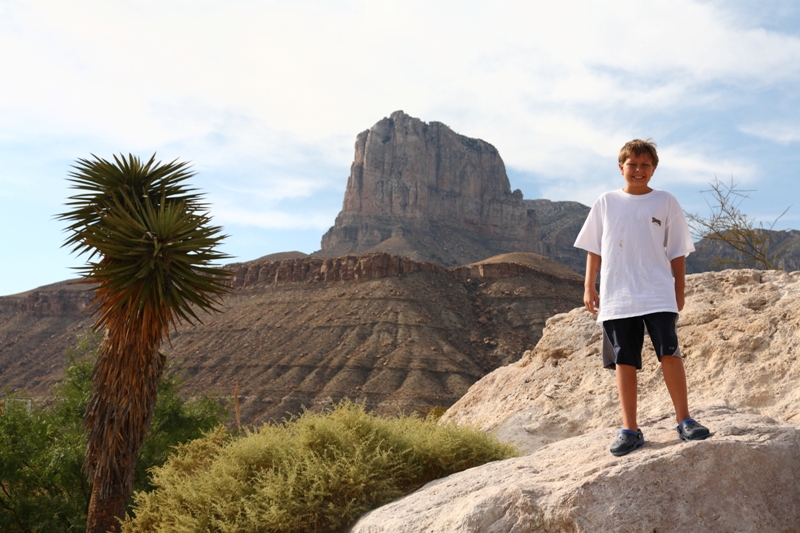
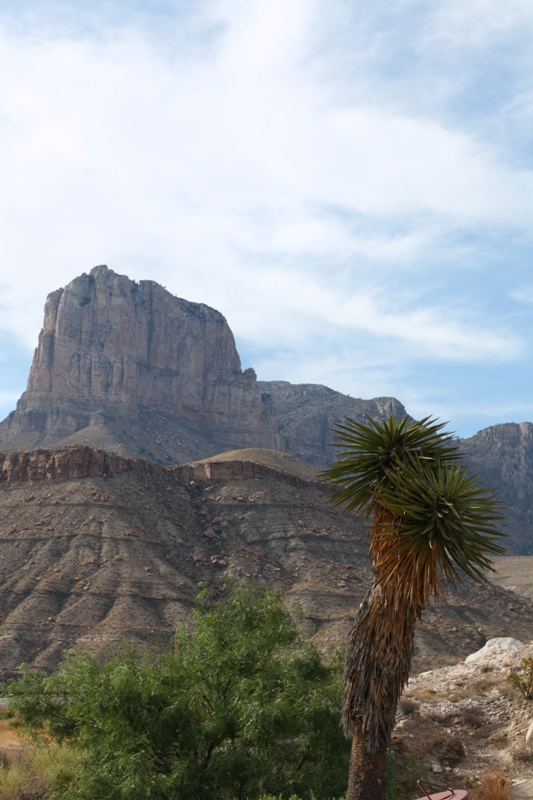
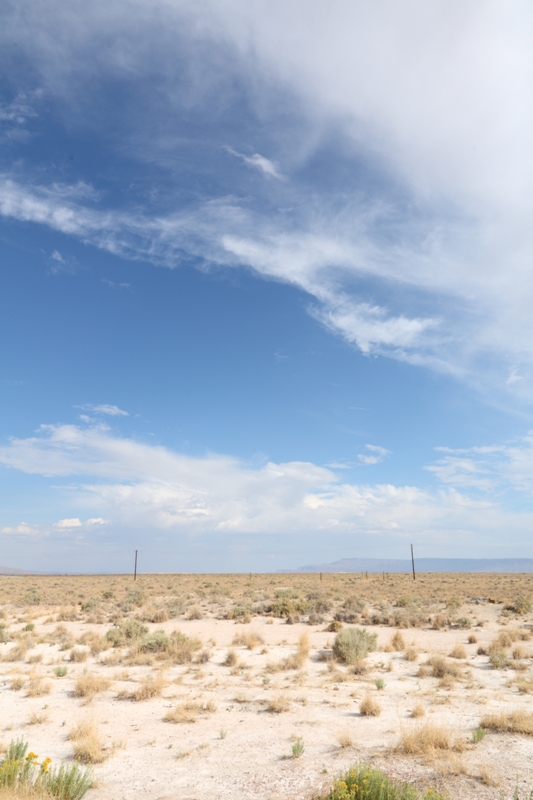
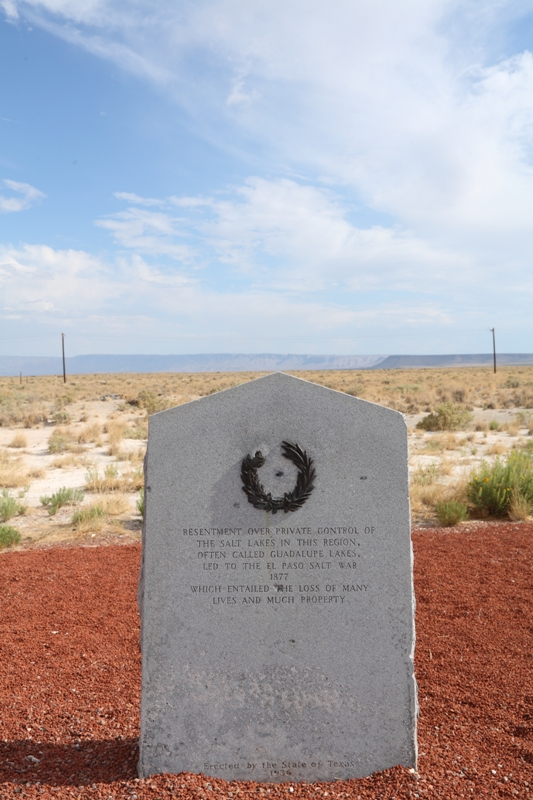
Before reaching Carlsbad we passed through Salt Flat, site of the infamous San Elizario Salt War.  After Salt Flat we traveled into the Guadalupe National Park and motored by El Capitan, the eighth tallest peak in Texas.  Both Salt Flat and El Capitan are pictured below.

After our trek underground through the Caverns the next day, we drove over the through the Lincoln National Forest, the quaint town of  Cloudcroft, and into Alamogordo, where we spent the night.  Just to give you an idea of the vast differences in terrain and climate in New Mexico, our car registered a temperature of 102° Fahrenheit  (39° Celsius) when we passed through Artesia, yet it was only 68° F (20° C) by the time we hit Cloudcroft less than two hours later.

The reason for this is the differences in elevation.  Artesia is at 3,380 feet (1,030 meters) above sea level while Cloudcroft resides at a lofty 8,600 feet (2,621 meters).  By the time we descended into Alamogordo the temperature was back to around 96° F (36° C) and we were at an elevation of 4,336 feet (1,322 meters).  That’s a pretty impressive swing for less than three hours of driving.

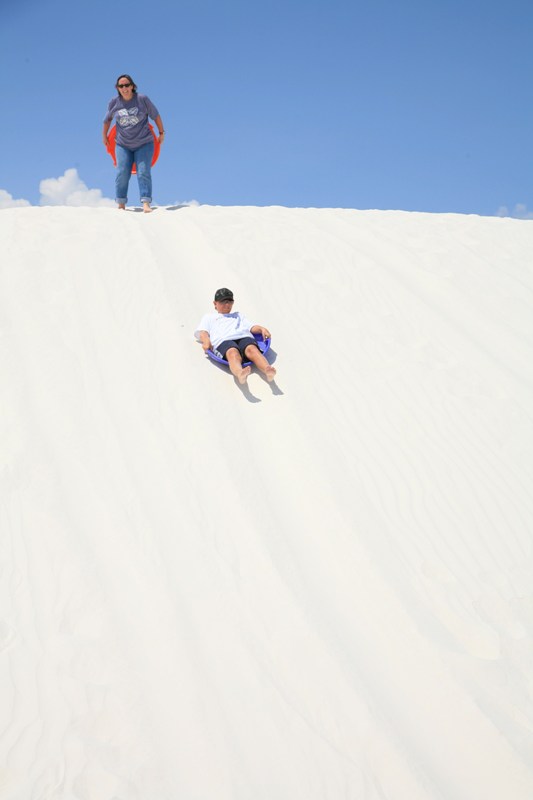
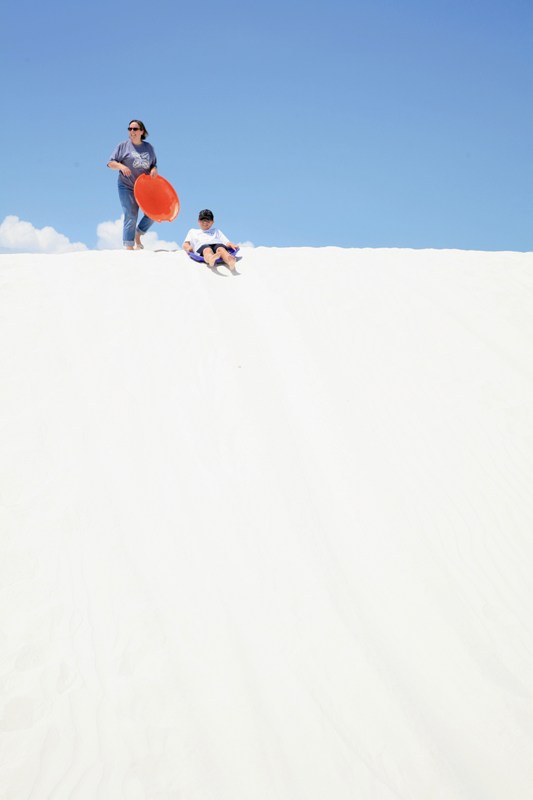
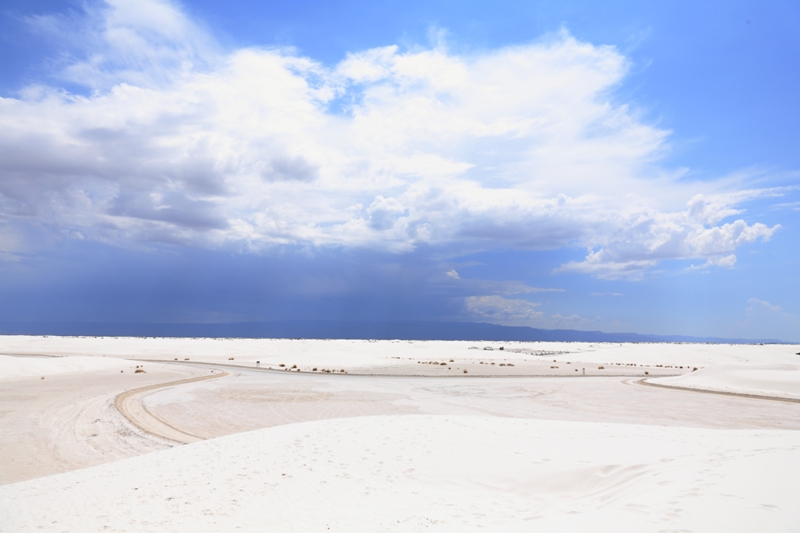
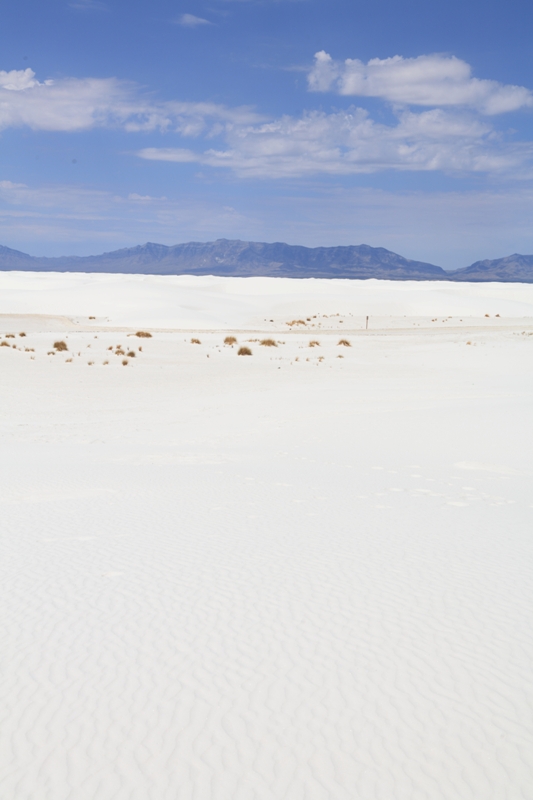
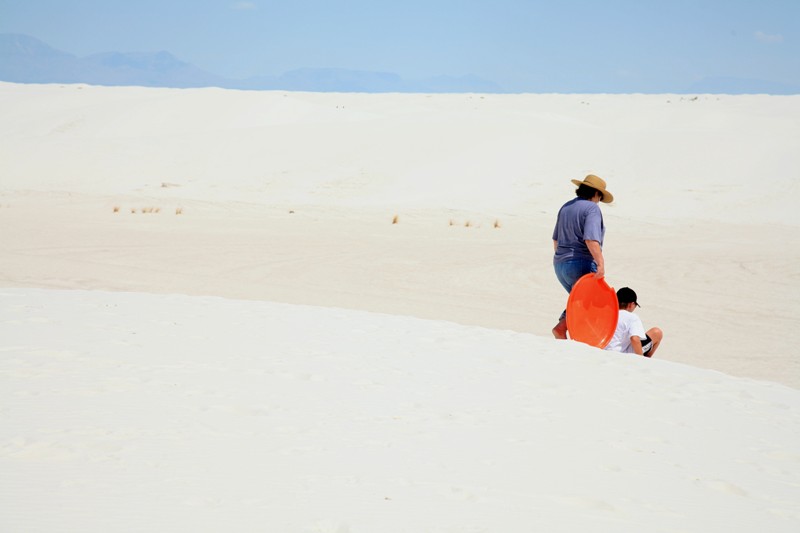
We were less than two hours drive from home with plenty of daylight remaining, but there’s a reason we chose to stop in Alamogordo.  It’s called the White Sands National Monument, and it is home to one of the largest naturally occurring deposits of gypsum “sand” in the world.  All told, these huge gypsum dunes cover an amazing 275 square miles (710 km²).

Photographing White Sands presents much the same problem as we covered in photographing snow.  But exposure compensation isn’t the only problem, especially if the sun is high in the sky.  Because of the intense white and bright sun, shadows get washed out and the landscape becomes featureless even if the exposure is properly compensated.  So, while I generally avoid shooting in raw, this subject really cries out of it.

Camera settings for most of these shots included +1 on the exposure compensation, an ISO set to 100, and white balance manually set to sun.  Post processing then involved tweaking the tonal curves to bring out details in the gypsum dunes.  Oddly enough, on many of these shots that meant bringing down the brightness slightly from the +1 used when the shot was taken, but it worked.

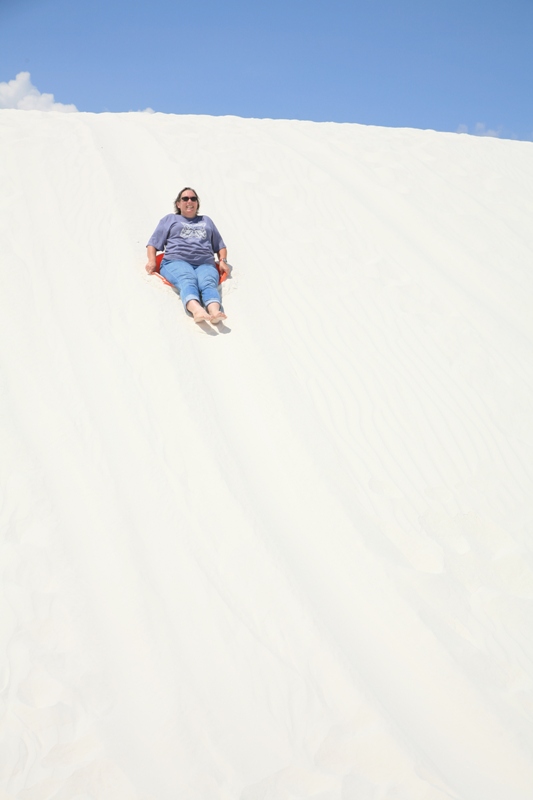
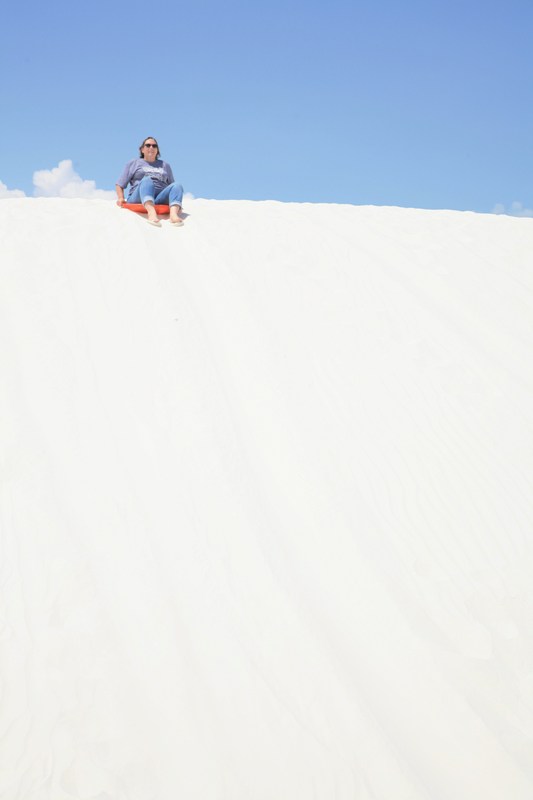
Shots of the grandson and Ursula riding down the dunes were done in JPEG because raw fills up the camera’s buffer far too fast to capture all the action.  This unfortunately limited me to what I could do later in post-processing, but the results aren’t bad, I think.  At any rate, I’ll let you decide how successful those shots were.

3 Comments

Filed under Photography, travel

St. Barts and the Bucket Regatta


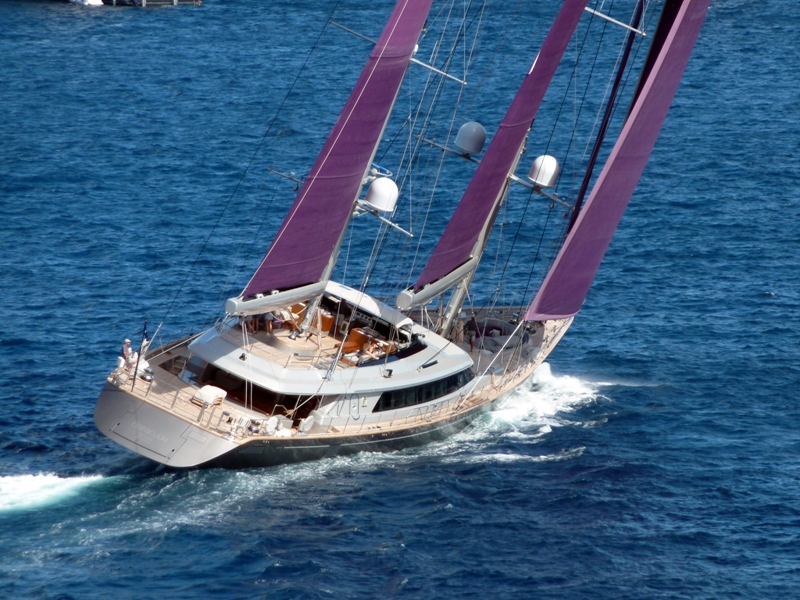
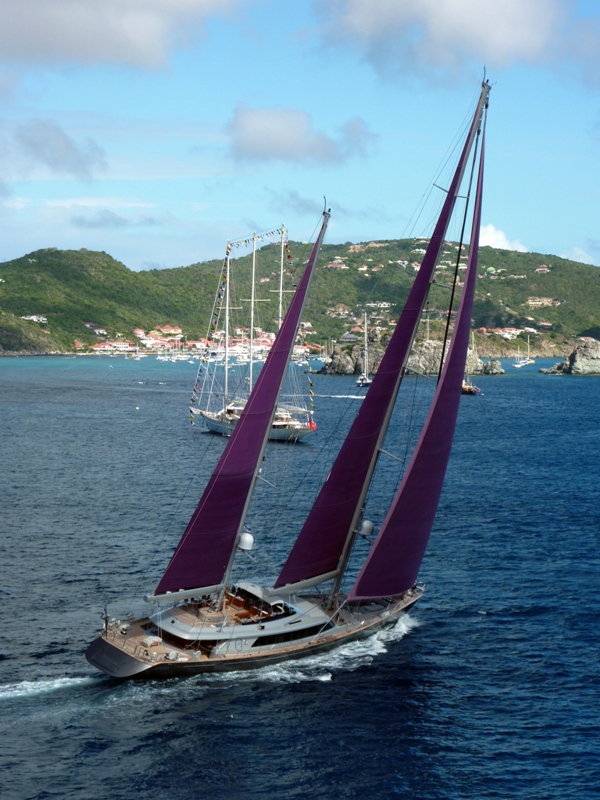
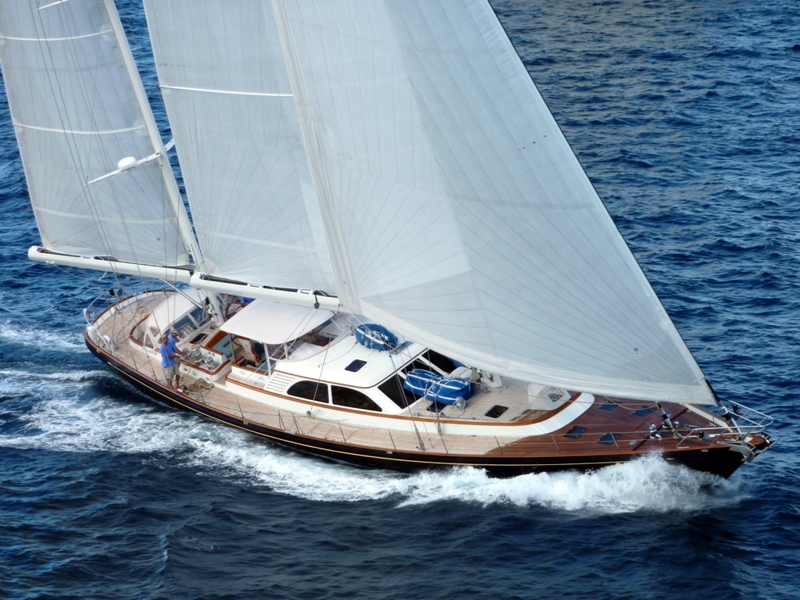
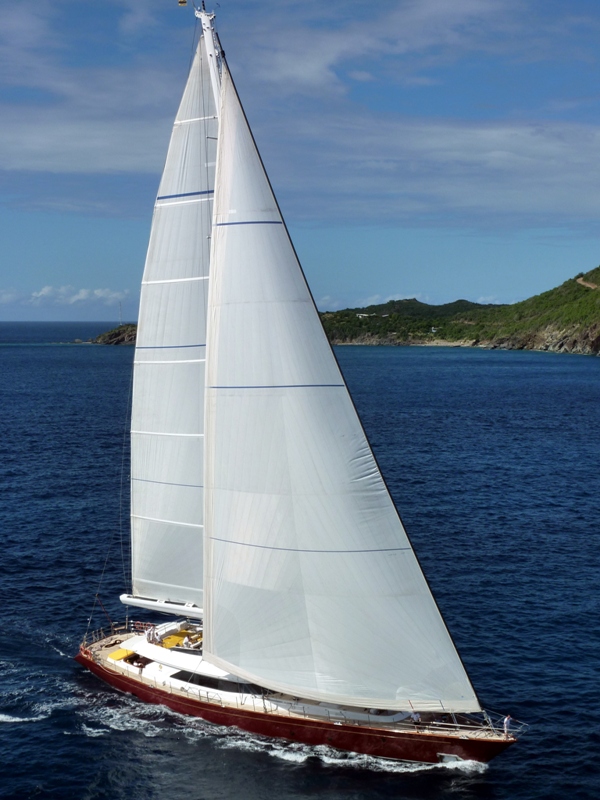
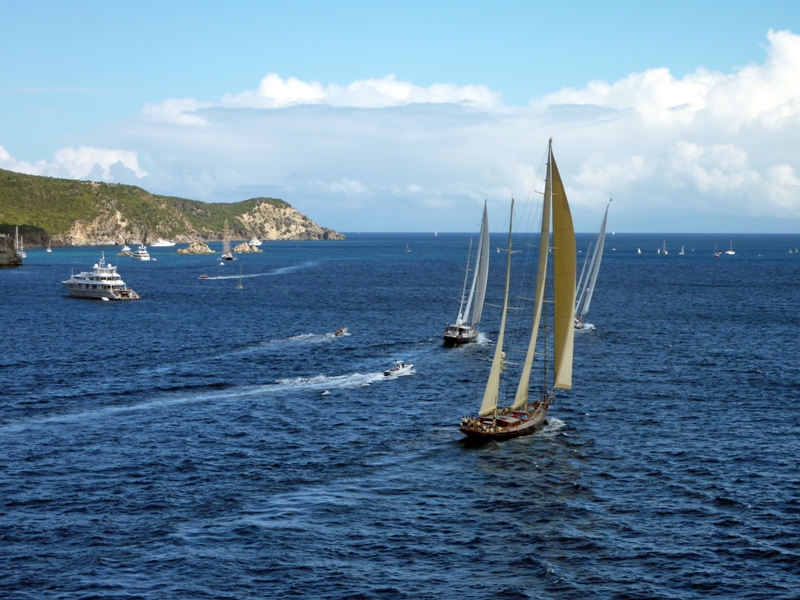
The first stop on our fifty-four-day cruise last year was the port city of Gustavia on the Caribbean island of Saint Barthélemy, or St. Barts (English) and St. Barth (French) as it is more commonly known.  Luckily, we arrived on Saturday, March 27, which happily coincided with the famous Bucket Regatta.  And lucky it certainly was, as I was able to capture some really neat shots of some of the yachts that were competing that year.  I don’t believe I’m exaggerating the least little bit when I say that there must have easily been well over a billion dollar’s worth of yachts in and around Gustavia that day.

There’s just something about the grace a beauty of a sailing yacht, and they truly make for some fun and exciting action shots.  Here are just a few examples of what we saw that day:

On a related note, St. Barts just happens to also be the first  port of call for The Globe, the cruise ship in my soon to be completed murder mystery.

1 Comment

Filed under Photography, travel

So Easy Even a Caveman Can Photograph It—Carlsbad Caverns


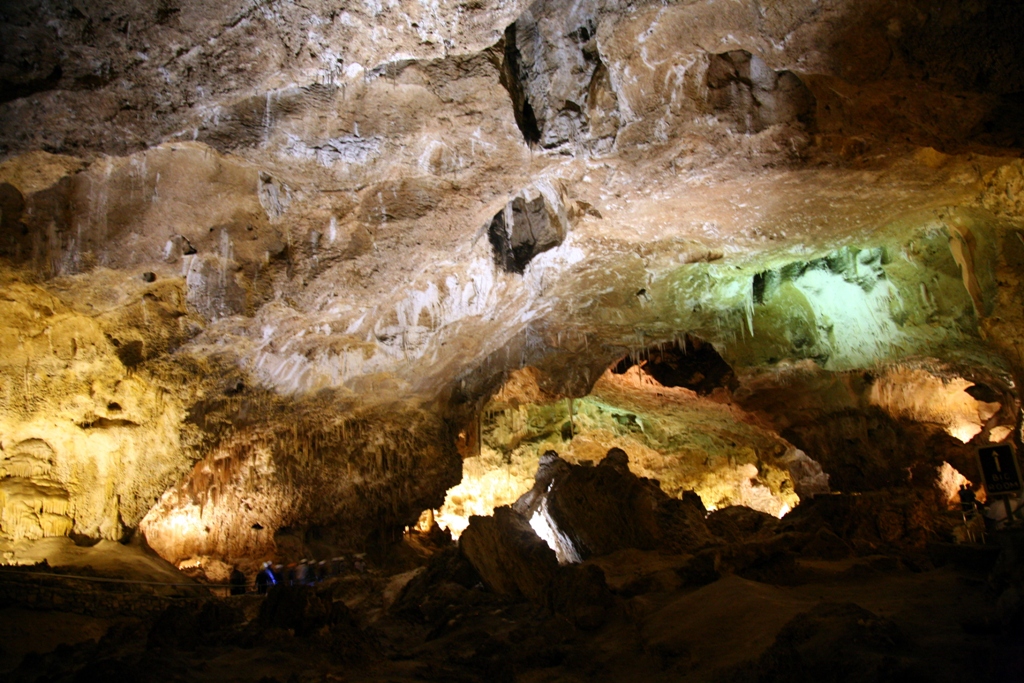
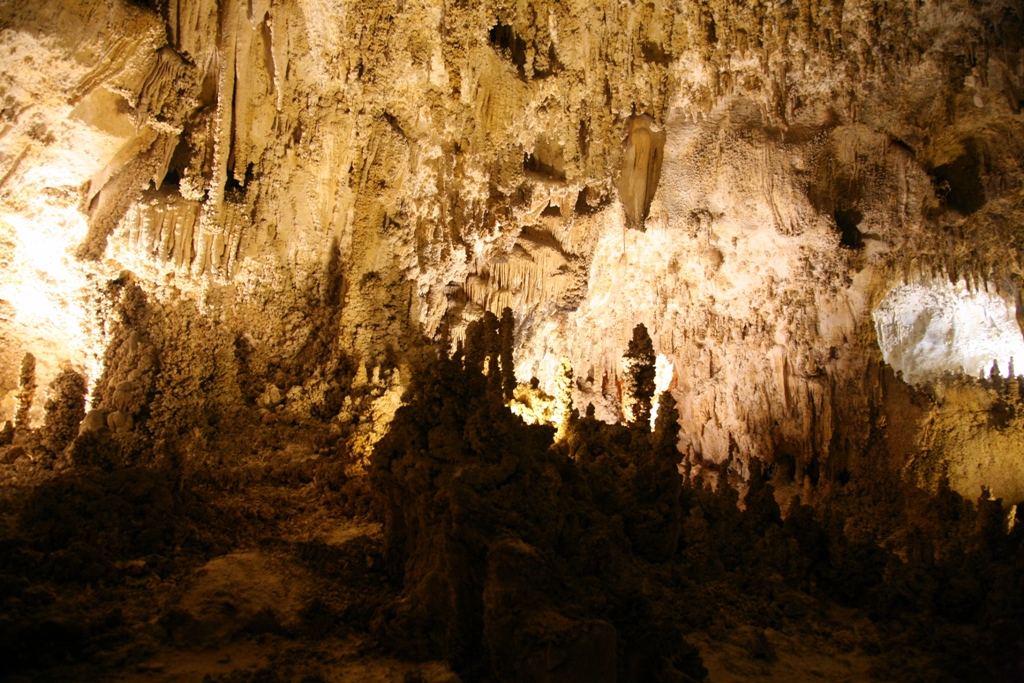
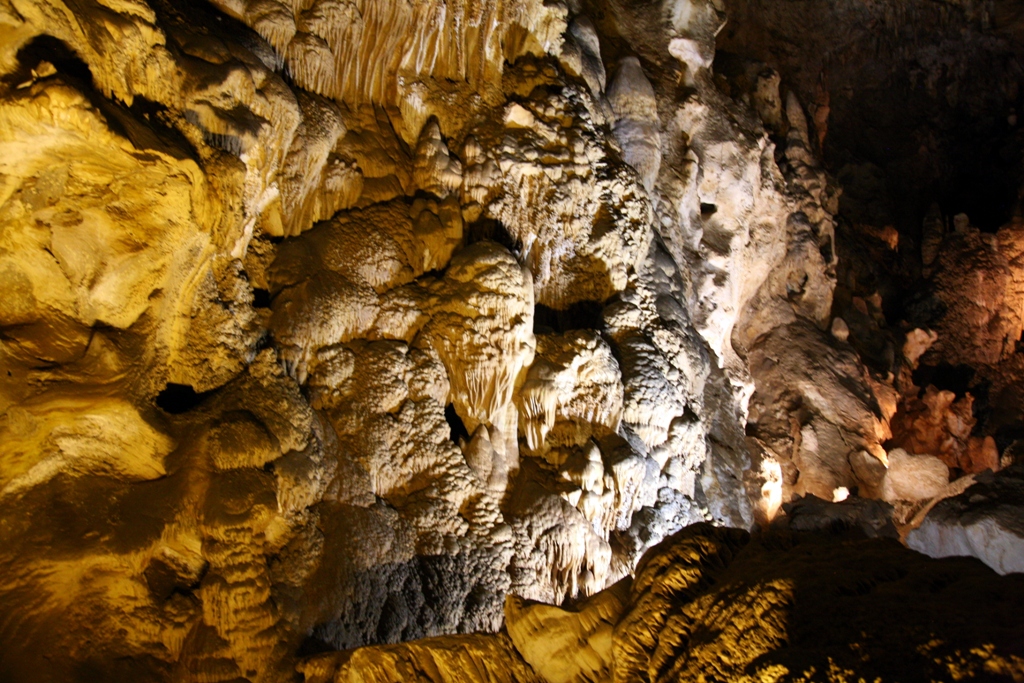
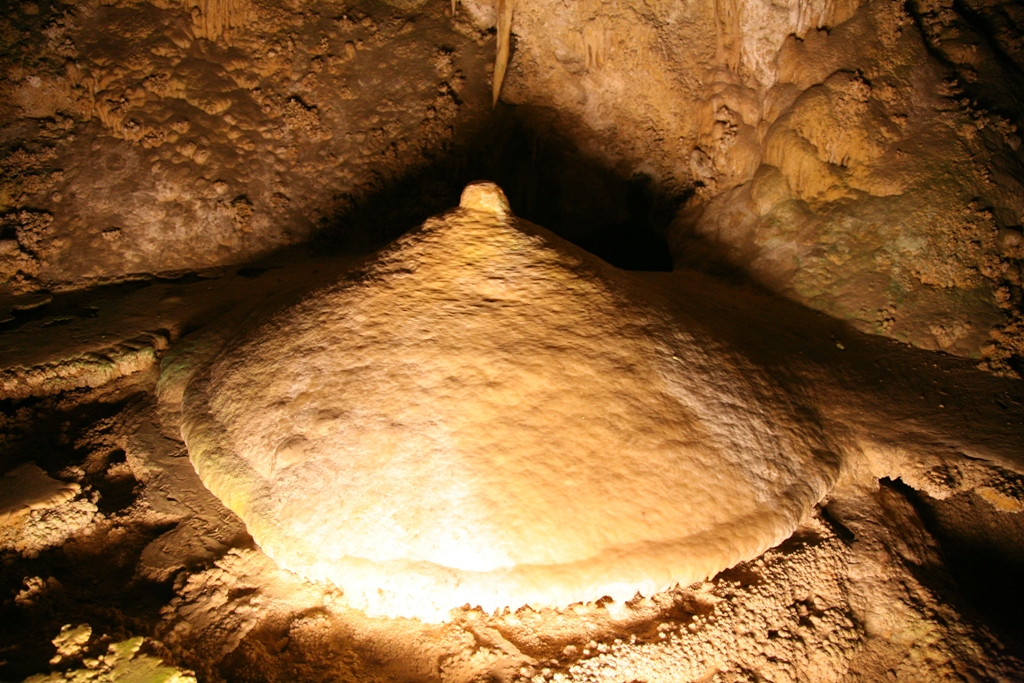
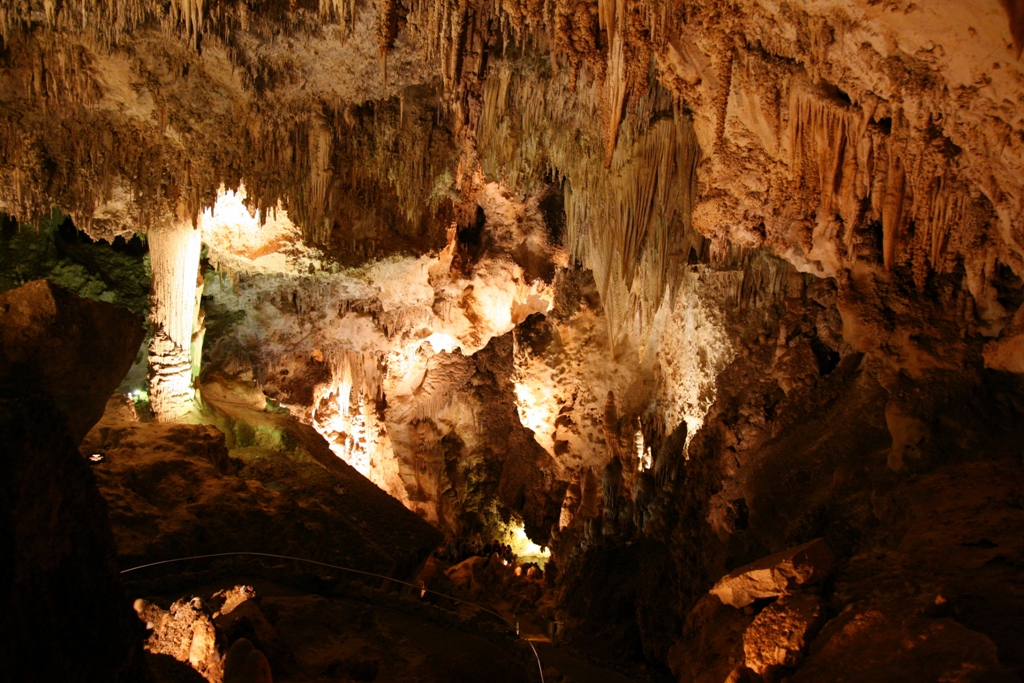
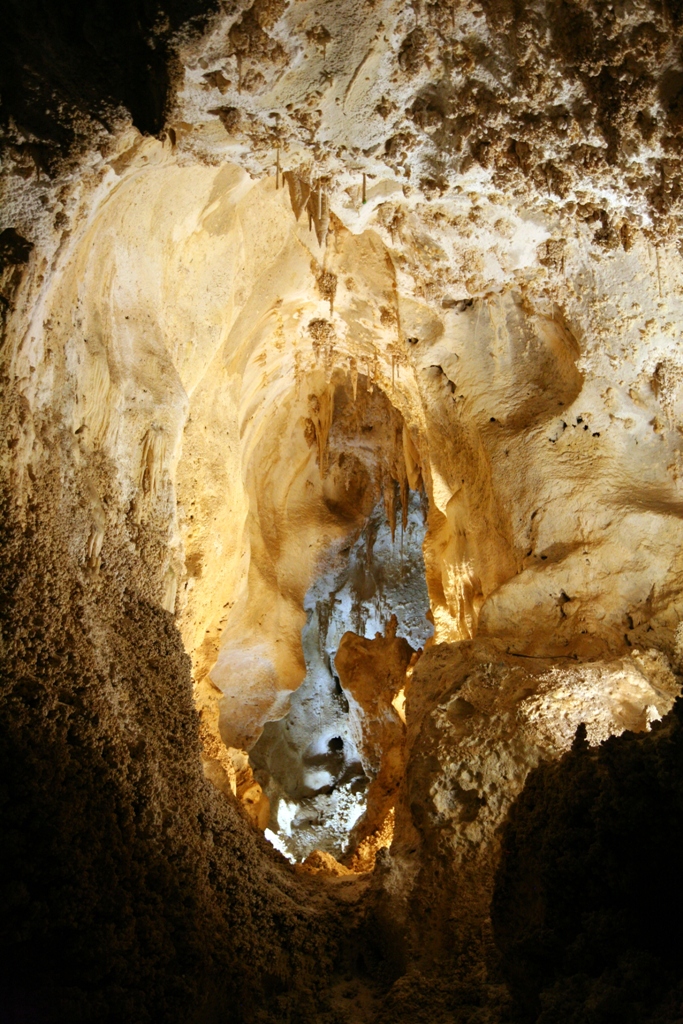
Don’t let the title fool you.  There are few challenges greater for the amateur photographer than trying to capture the sights buried deep within Carlsbad Caverns in southeastern New Mexico.

We left El Paso Wednesday for a road trip with our eldest (12-year-old) grandchild.  That evening we arrived at the entrance to Carlsbad Caverns in time for the bat flight at dusk.  Unfortunately, between the drought, brush fires, and lack of insects, this year’s migration of the Mexican Free-tailed Bats was one of the worst in recent memory.  And the bat flight on Wednesday evening was very poor.  Instead of the usual hundreds of thousands, I estimate we probably saw only a few hundred come out to feast on the tasty local flying insect population.

But is was Thursday’s scheduled descent into the caves that really drew us here this trip.  I’ve been going to Carlsbad Caverns since I was around nine years old, and over the years I’ve made this trek probably well over a dozen times.  This was my first attempt at capturing the vistas using a digital camera.  Past attempts were made with my old 35mm gear.

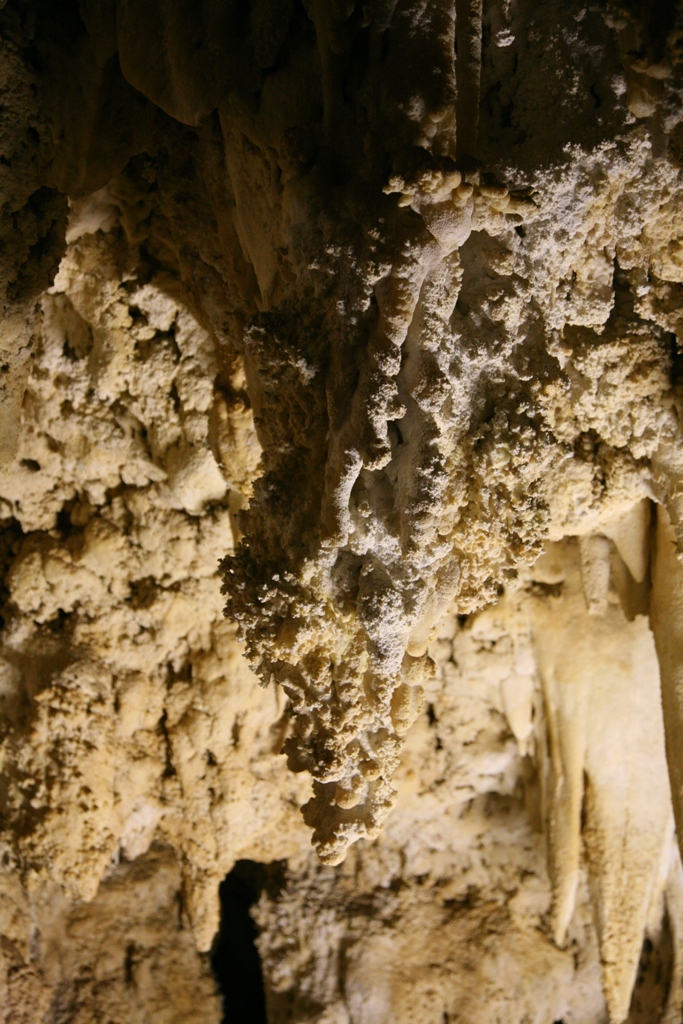
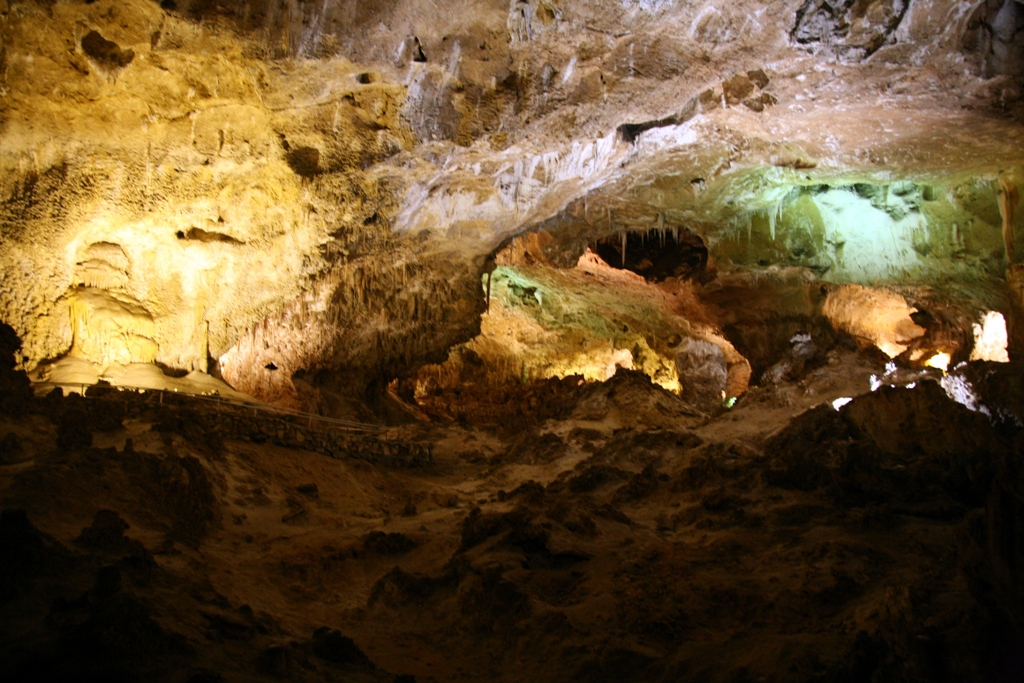
Flash photography simply won’t do in the caverns, although that doesn’t keep those who don’t know what they’re doing from trying it, much to my amusement.  To do it right, you really have to balance the camera on something (a tripod would be far to cumbersome on this outing) and resign yourself to taking long exposures (up to a second in some of these examples).

As for the choice in cameras, the sensor on a point-and-shoot is probably going to be too small to avoid the dreaded digital noise problem common with these cameras when using high ISO settings in dark conditions.  Thus, this time I went with my full-framed (35mm sized sensor) DSLR.  And since the large sensor on a full-frame camera is very tolerant of high ISO settings, I pushed to the limit on this photographic endeavor and took my Canon EOS 5D up to ISO 1600.  Don’t even think of trying that with most cameras, even most DSLRs.

So, no tripod and a park prohibition against even touching cave formations means you have to get really inventive.  But we’ve covered this problem before, albeit with a much smaller point-and-shoot.  On this shoot I was faced with balancing a very large camera and lens configuration that weighs upwards of three and a quarter pounds (nearly 1.5 kilos)!  Fortunately, the walkways are frequently lined not only with stainless steel railings (tubular, and thus useless here), but also with rock and cement “curbs” ranging in height from a few inches to several feet.  Finding reasonably level portions upon which I could place my camera proved to be remarkably easy.  Other shots were made using signage for balancing and bracing.

As for white balance, forget it.  I wasn’t even going to think of attempting beating the camera’s automatic white balance setting on this difficult lighting.  Thus, the pictures you see below have not been retouched in any manner other than minor tweaks in contrast, curves, and the occasional crop.  The colors, tint, and white balance are completely untouched.

For some fun, scroll you cursor over the pictures below for the titles.  One of them is an inside joke (image versus my “personal favorite”).  See if you can find it:

80 Comments

Filed under Photography, travel