
On Wednesday I called the Canon G1 X both evolutionary and revolutionary. Here’s why:
The G1 X is an evolutionary step in Canon’s long line of G-series compact cameras—cameras designed as secondary systems for serious photographers who already have a DSLR system, but who also at times need something more compact. But the G1 X doesn’t replace the existing G-series. Rather, it supplements it. The G12 remains in Canon’s lineup, and I suspect there will be a G13 to replace the G12 just as the G1 X will one day be retired by the G2 X.
But the G1 X is also revolutionary in that it incorporates the largest sensor ever placed into a compact. Not only did Canon upsize the sensor, they also switched from CCD to CMOS technology, effectively giving this compact a sensor very nearly on par with their DSLR line. Indeed, the G1 X sensor has the same pixel density as Canon’s semipro 7D. Thus, with the advent of the G1 X Canon has raised the stakes considerably in this market segment. Indeed, the G1 X appears to be Canon’s answer to the blossoming ILC segment in terms of picture quality and creative control.
As far as standard Canon DSLR-like control, the G1 X does differ considerably. For one thing, the camera does not incorporate Canon’s Picture Styles—Standard (high saturation with a tendency to oversaturate reds), Portrait (warms skin tones), Landscape (moderately high saturation with emphasis toward greens and blues), Monochrome, Faithful (true-color rendition based upon daylight white balance), and Neutral (similar to Faithful, but used to capture the most amount of detail in highly saturated or overly contrasty scenes). Oddly enough, you can set these Picture Styles in Digital Photo Professional (DPP—Canon’s included raw processing software), but you cannot set them for JPEG shots.
Instead, the G1 X relies more on Scene Modes, and there are a lot of scene modes from which to choose: Movie Digest, Portrait, Landscape, Kids and Pets, Smart Shutter (detects smiles and activates a self-timer after face recognition or even a wink—great for getting yourself in the shot), High-Speed Burst HQ (don’t get excited—the buffer fills up after only six shots, or in about 1.3 seconds), Handheld Night Scene (combines several sequentially taken shots to minimize shake and reduce noise), Beach, Underwater, Foliage, Snow, Fireworks, and Stitch (panorama) Assist. Unfortunately, Stitch Assist assumes that the camera will only be held in landscape orientation and that you’ll only be panning from side-to-side. You’re only option is a rather simplistic choice between right-to-left or left-to-right. There really should be at least one option to capture vertically or when holding the camera in portrait orientation and panning side-to-side.
In addition to Scene Modes, the G1 X offers something I’ve not seen before in Canon DSLRs—“Image Effects,” or “Creative Filters.” My EOS 5D can do red, yellow, or green filtering for Black & White photography, but the G1 X allows for: High Dynamic Range (internal processing of three bracketed, tripod-mounted shots to produce one picture with higher dynamic range), Super Vivid, Poster Effect, Nostalgic (faded colors), Fisheye, Miniature Model (similar to the fore and aft defocusing of a tilt-shift lens), Toy Camera (dark, blurry corners; offset colors), Color Accent, Color Swap, and Monochrome. Alas, monochrome does not allow for in-camera filtering for reds, yellows, and blues. This must be done in raw post processing with DPP, or in the case with JPEGs with third-party software such as Google’s Picasa.
One really neat feature is a built-in Neutral Density filter. When engaged, the internal ND filter reduces light falling onto the sensor by three stops, or about 1/8th the amount entering the lens. When used in conjunction with a tripod, this allows an extremely slow shutter speed during even bright light conditions. The result is blurred motion or—in the case of moving water—a soft, flowing effect.
Now for a major rant: Hey, Canon, when somebody plunks down the better part of $800, they have every right to expect, nay—demand a hardcopy of the user guide. Making a 242-page manual only available as a PDF on a CD is, quite simply, unacceptable. There are far too many features and settings on this camera to commit them all to memory, and it is totally unreasonable to expect someone to carry an electronic reading device with them at all times to reference these items.
Other complaints (accessories): Filter threads should have been incorporated into the lens rather than requiring the separate purchase of a filter adapter. The optional sunshade will not work while the filter adapter is in place. The included lens cap will not work over the sunshade.
Other complaints (lens aperture): While image sharpness and resolution are exceptional, the lens is too slow. This is especially true at the telephoto end but also a factor on the wide side. I understand that Canon was trying to balance weight and compactness against performance, but I would gladly have given up some of the former for an f/2.0-4.0 lens over the existing f/2.8-5.8. Had this been done, the G1 X would have excelled in portrait photography as well as travel.
Other complaints (lens focal lengths): On the subject of the lens, a really good travel camera should start out at 24mm on the wide-angle side. So, a 4.5x 24-to-108mm would be preferable to the 28-112mm used. A 5x lens with a focal reach of 24-to-120mm would be even better, almost perfect.
Stuff others may care about (but I don’t): A tad slow on focusing—hard to get little Johnny romping around the backyard. Burst mode/frames-per-second practically nonexistent—forget photographing little Johnny’s baseball game. Forget about getting intimate with a small subject—flowers, insects, etc—the macro capability of this camera is probably closer to the Palomar Observatory than to a small travel zoom.
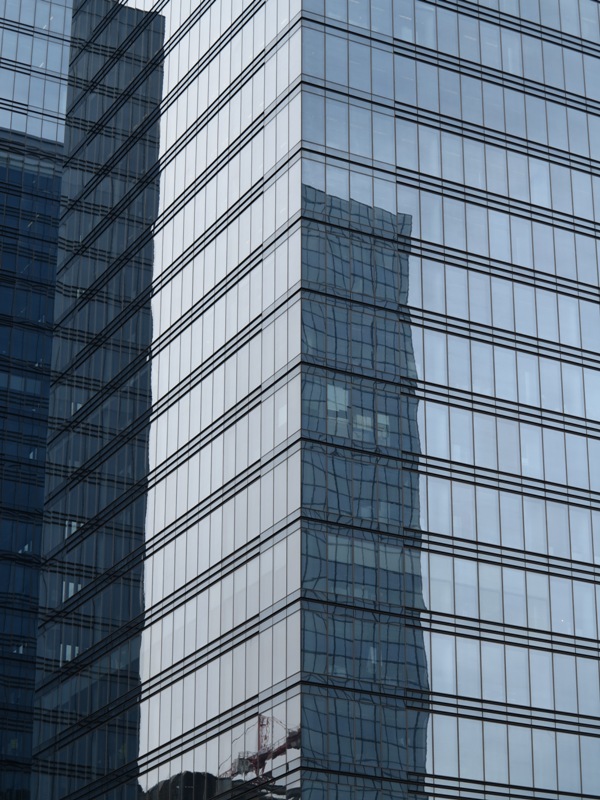
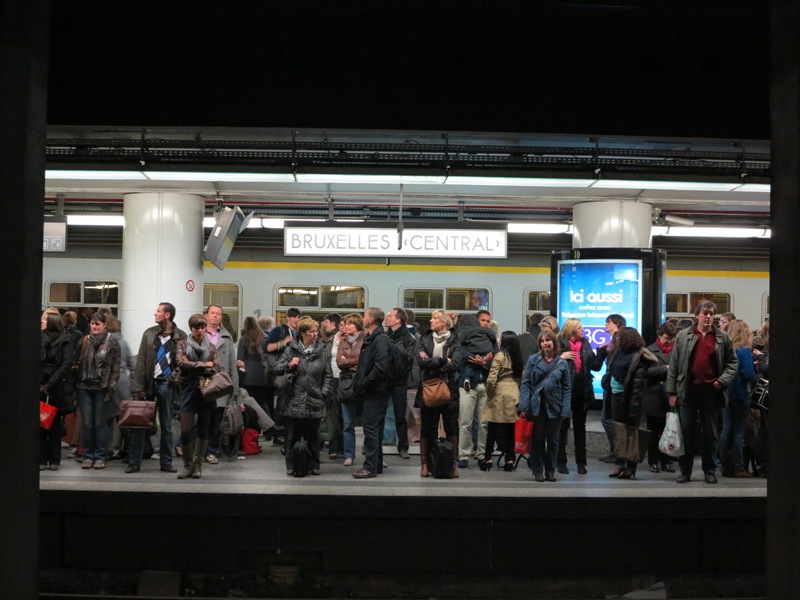
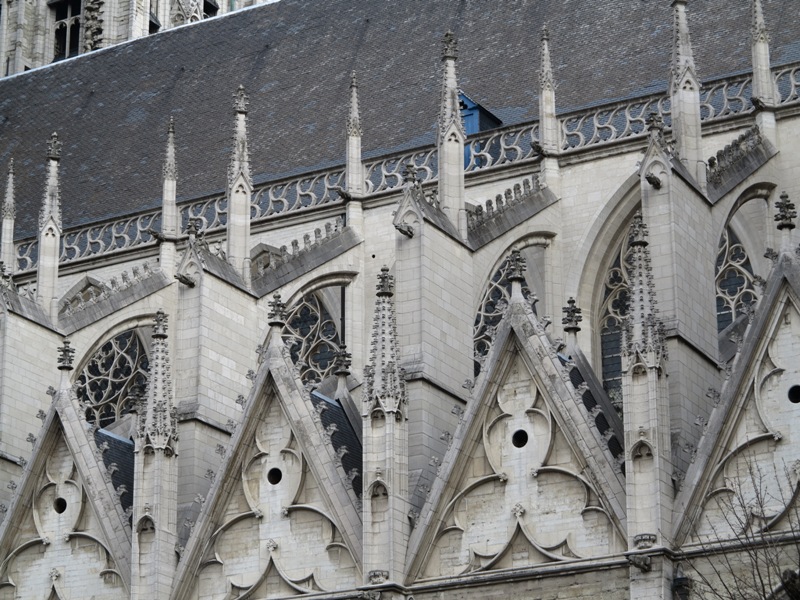
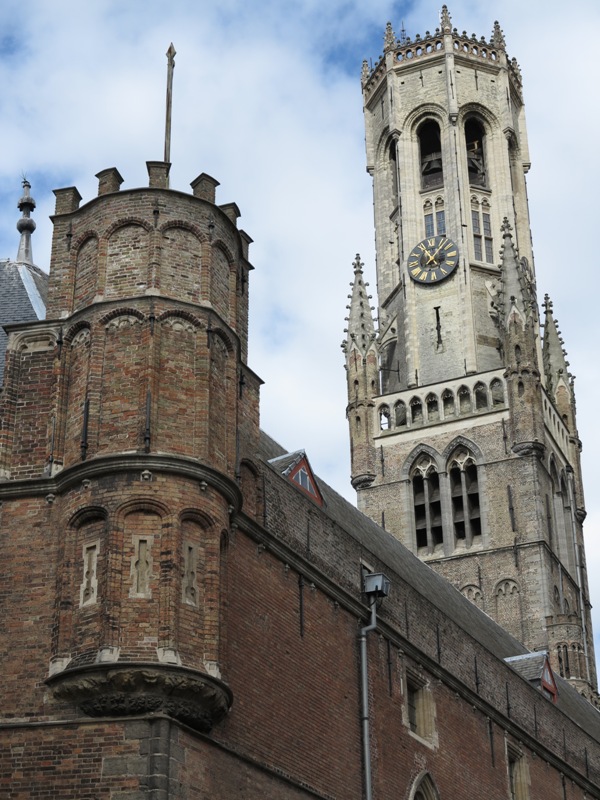
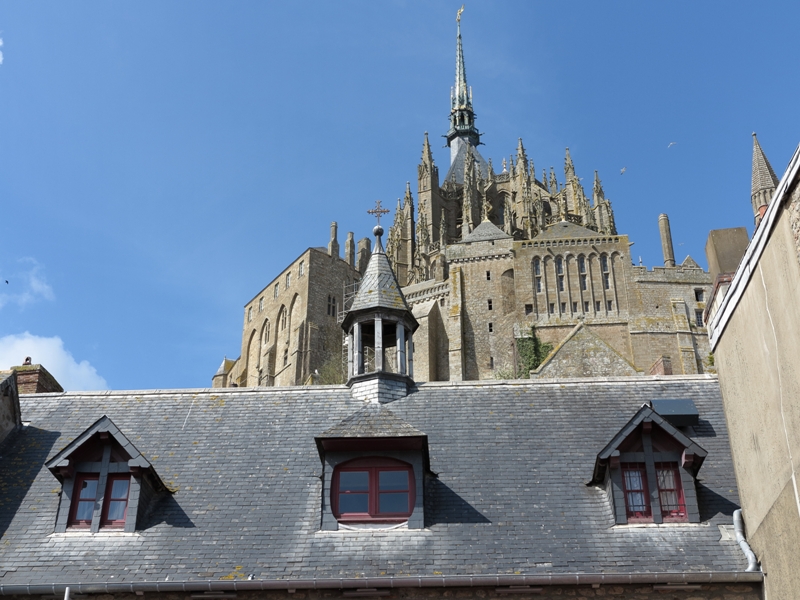
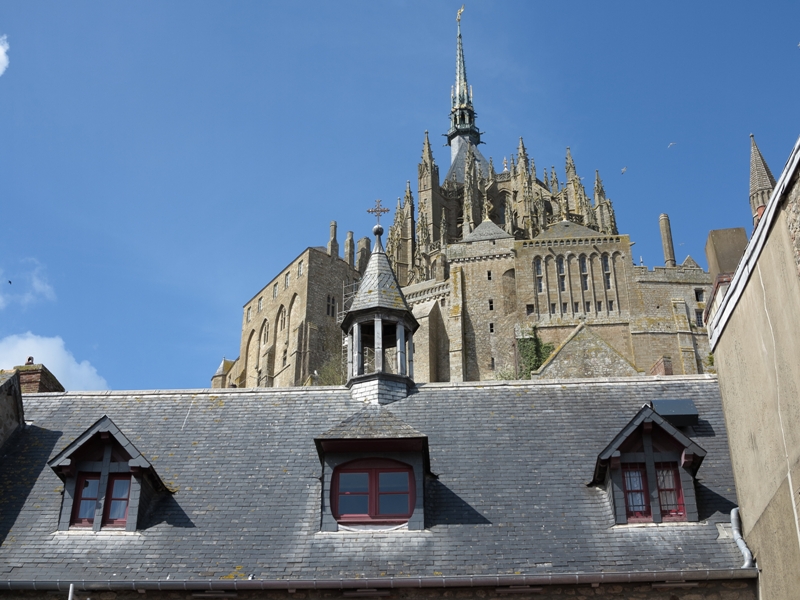
Now for some more sample shots, all JPEGs straight out of the G1 X without any post-processing. Considering that all shots were handheld and that color saturation, balance, and contrast are all untouched, I believe you’ll be impressed with how little you’ll find yourself falling back on raw and post-processing.









 Decisions — Murder in Paradise
 The Globe — Murder in Luxury
 R. Doug Wicker — Author