Seven for Seven — Part 5


Time for seven more of my favorite photographs in this, Part 5 of my seven-part series.  There is no set theme for today’s shots.  Most of the compositional rules have been previously covered.  So, today, I want you to take a look at the following photographs and determine two things:

  1. What is the primary subject of the photograph?
  2. Where would you have placed that subject in the overall composition had you been taking the shot?

Near the end we’ll switch to some compositions requiring a bit more thought, such as zoom/cropping and perspective.
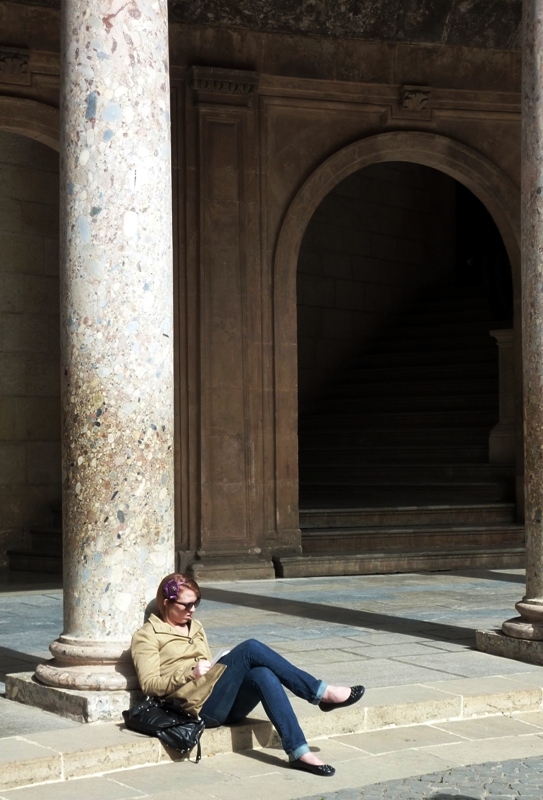
A Student of History — Rule of Thirds; Use of environment to supply context; Human interest

A Student of History — Rule of Thirds; Use of environment to supply context; Human interest

Somebody Missed the Boat — Rule of Thirds placement; Whimsy; Dramatic backdrop

Somebody Missed the Boat — Rule of Thirds placement; Whimsy; Dramatic backdrop

Call Forwarding — Rule of Thirds; Use of dramatic color; Nostalgia

Call Forwarding — Rule of Thirds; Use of dramatic color; Nostalgia

Here’s an example of creative zooming/cropping.  In the following photograph, most people would zoom out to capture the entire vessel.  But in so doing they would be losing the most important aspect of the scene — the drama of the yacht cleaving through the blue Caribbean waters off the island of St. Barts.  The colorful sails are indeed a nice addition, but they are secondary to the statement of composition, and there’s still enough of the sails in the frame to make use of the added interest supplied by their unexpected color.

Yacht to Have Been There — Rule of Thirds; Secondary use of color; Action

Yacht to Have Been There — Rule of Thirds; Secondary use of color; Action

This next whimsical shot makes use of context (the store front) and negative space framing (the surrounding blank white walls and neutral gray of the walkway).
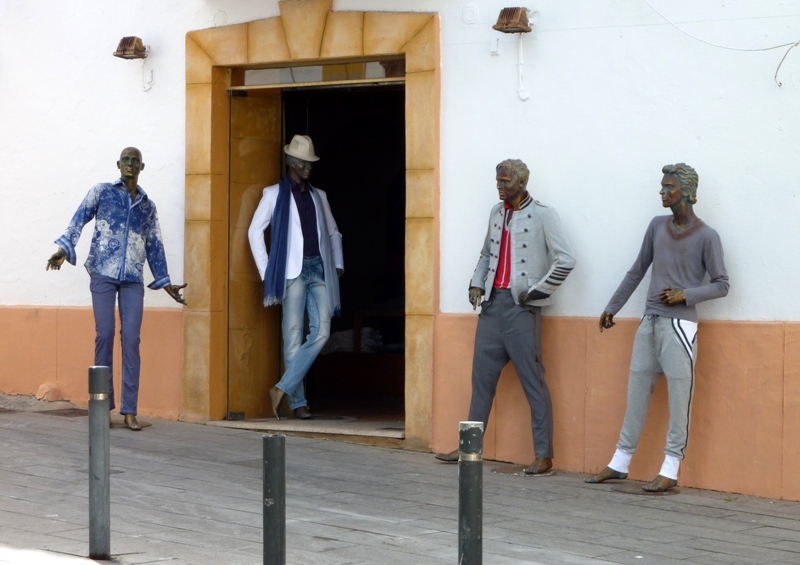
Discussing the Latest in Men's Fashiion — Whimsy; Negative space framing

Discussing the Latest in Men’s Fashiion — Whimsy; Negative space framing

The amount of texture evidenced in this next photograph might entice you to explore the use of Black & White conversion, but then you’d lose those marvelous greens highlighted against that neutral, tannish façade (but hold that thought; we’ll get back to that with another demonstration of color filtering for B&W at the end).  Also not that I resisted the urge to line up straight-on to the subject.  That would have been B-O-R-I-N-G.  Instead, you get an off-angle view that uses lines of perspective to draw your attention across the frame from left to right.
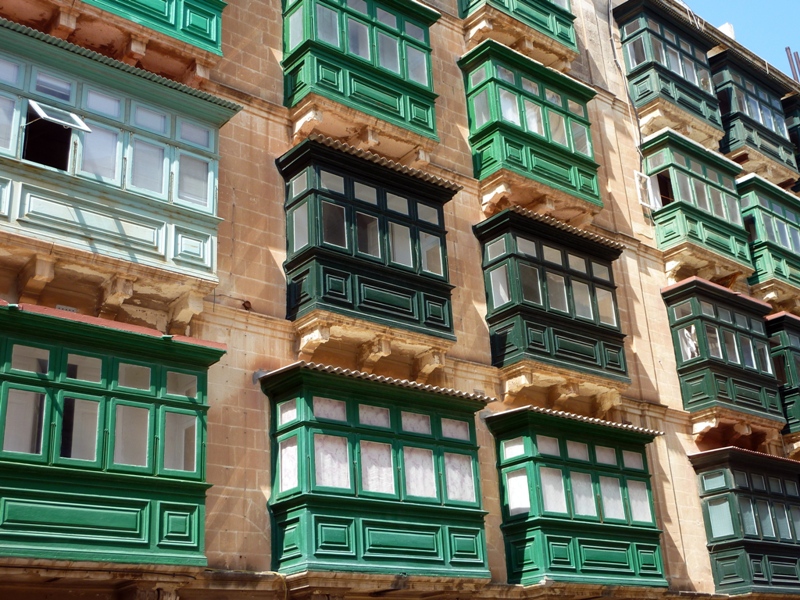
Enjoying the Balcony Seats — Use of perspective lines, color, and texture

Enjoying the Balcony Seats — Use of perspective lines, color, and texture

Our seventh and final shot for today is a black-and-white conversion of a color photograph taken of the old river section of Bruges.  If this case, B&W just seemed to enhance the shot on several levels.  First, the scene was loaded with texture, and stripping away color makes texture the star.  Second is the nostalgia aspect of the scene — quaint, centuries-old buildings alongside a gently flowing river populated by a single swan.  And lastly there’s the loss of time aspect of this scene — was it taken recently, or closer to the early to mid 20th Century?  You simply cannot tell looking at the clues afforded to you in this shot, but color would definitely take it into the modern era unless you attempted some creative color effects to mimic the flaws of the films of old.
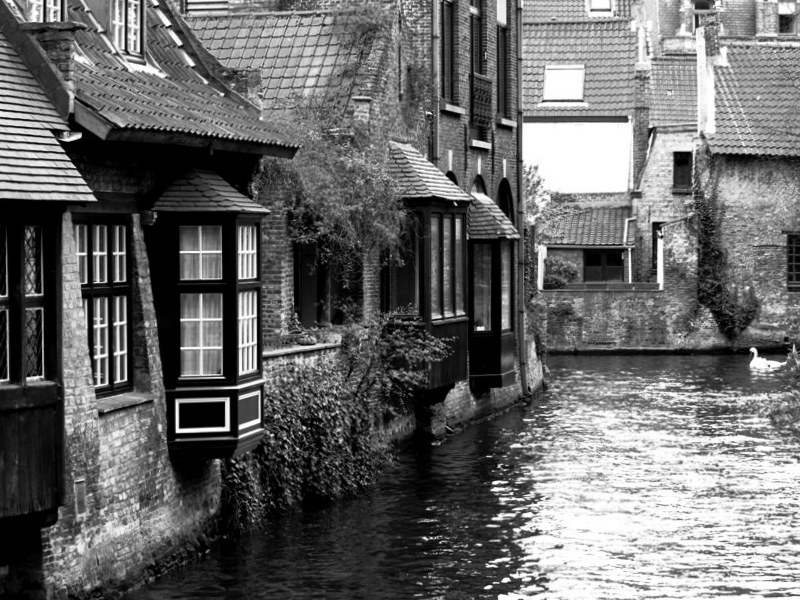
Bruges in Black and White — Use of B&W to highlight textures and enhance a feeling of nostalgia and sense of historical perspective

Bruges in Black and White — Use of B&W to highlight textures and enhance a feeling of nostalgia and sense of historical perspective

Now, back for a moment to that scene of the balcony-laden façade taken in Malta. — the green-dominated photograph above on which I remarked that its texture-heavy subject might make you want to consider conversion to black and white.  I’ve covered color filtering of B&W conversions several times before, but this particular scene presents an ideal opportunity to demonstrate the dramatic effects of red and green filtering on green subjects (the balconies) and warm colors (in this case the brown background).  Below are two B&W conversions of the same scene.  The one on the left utilized red filtering before conversion, which had the effect of darkening the greens and the blue of the sky while lightening the stone façade from which the colored balconies protrude.  To the right is the same image now filtered for green.  In this instance, the façade is darkened and the greens of the balconies and the blue of the sky are greatly brightened.  Click on one of them to bring up a gallery so that you can better view these critically important effects.

The lesson here:  If you’re just converting to B&W, then you’re missing a lot of drama in your converted photograph.  Learn how to filter colors before you make that conversion to get the most out of your image.
2 Comments

Filed under Photography

Seven for Seven — Part 4


Well, I must say that this particular series seems to be gaining in popularity.  I’m assuming that the images are indeed striking a chord out amongst all you photographers out there.  Today the emphasis will be on monochrome subjects — that’s subjects that by their nature are monochromatic rather than photographs that have been made monochromatic (i.e., black & white) by either camera setting or in post processing.  The interesting thing about monochromatic subjects is when you have a splash of color imposed somewhere in the image.

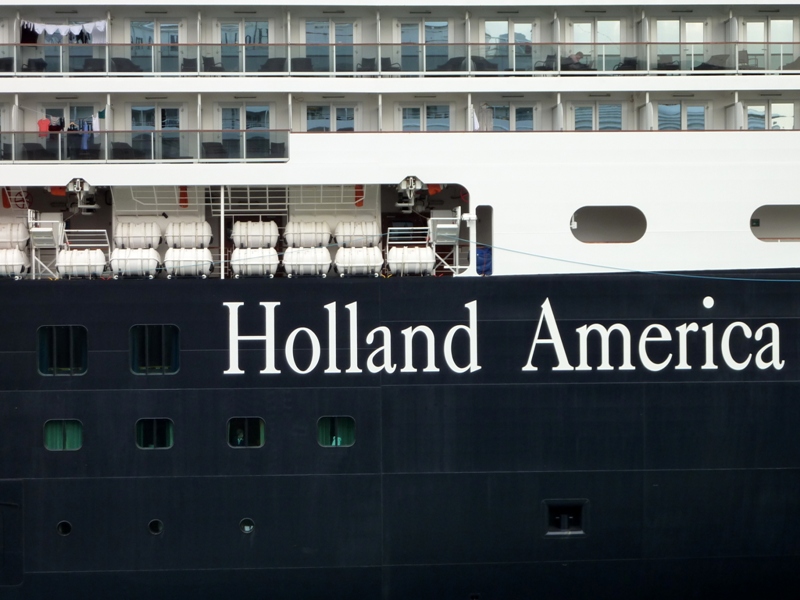
In the first photo you will see the blue hull and white superstructure of Holland America’s Eurodam, alongside of which our own ship, the Prinsendam (coincidentally the smallest ship in the fleet), was docked in Piraeus, Greece (the port city serving Athens).  The reason I took this shot is not immediately obvious to the observer, so I’ll direct your attention to the upper-left corner of the shot.  Bear in mind that the Eurodam at the time was Holland America’s newest and largest ship — the pride of their fleet — and there, hanging outside two of the balcony suites is . . . yep, laundry.

Laundry Day on the Eurodam — Monochromatic subject with a touch of whimsy

Laundry Day on the Eurodam — Monochromatic subject with a touch of whimsy

This next monochromatic subject was taken in Brussels.  It’s of one of the Guildhalls on the Grand Place.  And there, prominently using a prime Rule of Thirds position is that splash of color that makes the whole thing work — a lone flag displaying bright colors of yellow, red, and green.

Showing the Colors — Grand Place, Brussels

Showing the Colors — Grand Place, Brussels

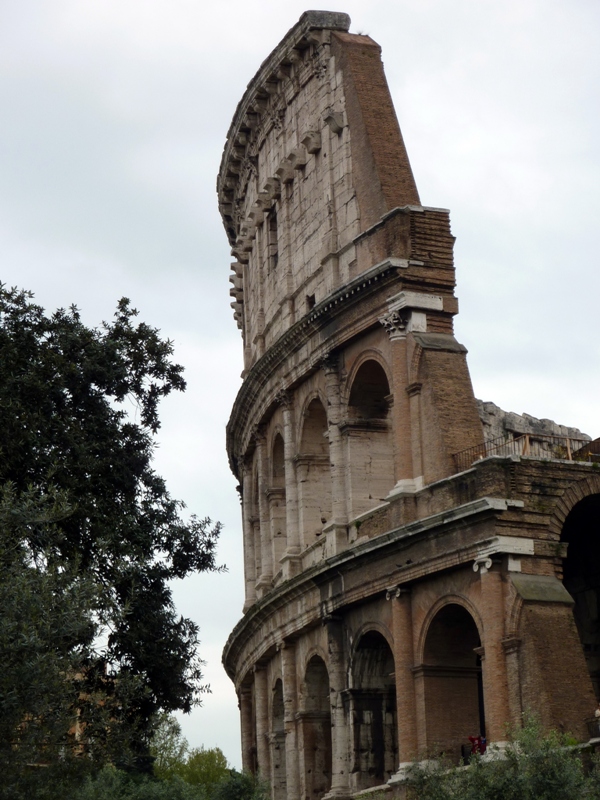
This third example shows something I’ve lectured on before — It’s what I’ve termed The Rule of Implied Recognition.  when photographing a well-known landmark, building, structure, or even a prominent feature in a national park it is redundant and unnecessary to photograph the entire scene.  Most people will know precisely what they’re viewing just from a small, recognizable portion, and limiting your framing to just one exciting and new vantage point helps bring a freshness and sense of unique perspective to the composition.  This technique works at the everyday level, as well.  For instance, you don’t have to frame an entire BMW Z3 for an aficionado of that car to know what it is.  You can get away with just photographing the shark gills along the side.  This next shot is of a very famous landmark dating back to around AD 80 in a little Italian town called “Rome.”

A Chip off the Ol' Block — Monochromatic; use of Rule of Implied Recognition

A Chip off the Ol’ Block — Monochromatic; use of Rule of Implied Recognition

One can also highlight the monochromatic nature of a subject by “framing” that subject in color, such as foliage.  This next photograph is of the Library of Celsus in Ephesus, Turkey:

Where Did I Put My Library Card? — Monochromatic subject framed in color

Where Did I Put My Library Card? — Monochromatic subject framed in color

The remaining shots of today’s photographic series are a bit more colorful.  They represent such things as using the Rule of Thirds to photograph a loved one during a tour:

Ursula Touring Madeira — Rule of Thirds; splash of color; use of background

Ursula Touring Madeira — Rule of Thirds; splash of color; use of background

Or the use of lines to draw you into the photograph and to “anchor” (pun intended) your subject:

Prinsendam in Katakolon — Use of lines; Rule of Thirds; Dramatic color

Prinsendam in Katakolon — Use of lines; Rule of Thirds; Dramatic color

I’m sure the first several photographs in today’s series has left you with that monochromatic taste in your mouth.  So, I shall now leave you with a crescendo of color to help cleanse your palate in preparation for Wednesday’s series of seven.  This is one of my favorite sunset photos.  It was taken on Day Two of our cruise to the D-Day Beaches of Normandy last spring.  It uses the Rule of Thirds in both the positioning of the horizon and in the location of the setting sun.  The transition to blue sky in the top third of the photograph can also be considered use of this rule as well, but in a more subtle context.  Also note the orientation of the camera to portrait rather than the traditional landscape orientation most photographers seem wedded to when photographing such subjects.  This orientation adds drama to the overall photograph, and highlights more of the color range that this particular sunset revealed.

Sunset at Sea — Rule of Thirds; Use of Portrait Orientation; Dramatic Range of Color

Sunset at Sea — Rule of Thirds; Use of Portrait Orientation; Dramatic Range of Color

Comments Off on Seven for Seven — Part 4

Filed under Photography

Seven for Seven — Part 3


Well, this was supposed to run as Part 2 of the Seven for Seven series, but somehow the internet ate my homework.  So, after posting an empty blog, Part 3 hastily transformed into Part 2, and Part 2 is now Part 3.

Confused?  Me, too.

Anyway, here are today’s Seven:

Fishing in the Shadow of History — Rule of Thirds (positioning of fisherman and fortress battlement)

Fishing in the Shadow of History — Rule of Thirds (positioning of fisherman and fortress battlement)

Rush Hour in Brussels — Human interest; Interesting composition achieved through cropping

Rush Hour in Brussels — Human interest; Interesting composition achieved through cropping


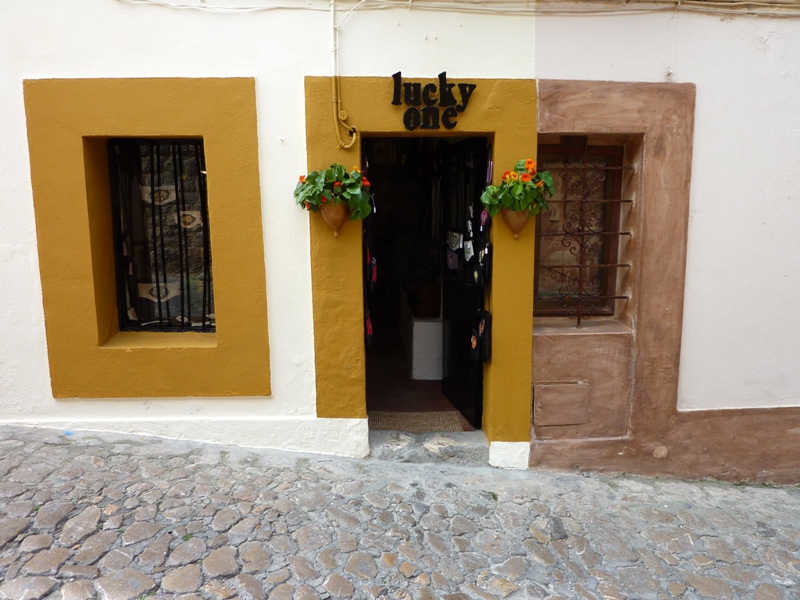
A Different Slant on Retail — Whimsy; framing with negative space; use of color,

A Different Slant on Retail — Whimsy; framing with negative space; use of color,

Waiting for the Catch of the Day — Rule of Thirds (positioning of foreground table and background fishing boat); whimsy

Waiting for the Catch of the Day — Rule of Thirds (positioning of foreground table and background fishing boat); whimsy

A Study in Scarlet Shadows — Offset composition (not quite Rule of Thirds); interesting shadows; Diagonal lines stretching from upper right and lower left corners.

A Study in Scarlet Shadows — Offset composition (not quite Rule of Thirds); interesting shadows; Diagonal lines stretching from upper right and lower left corners.

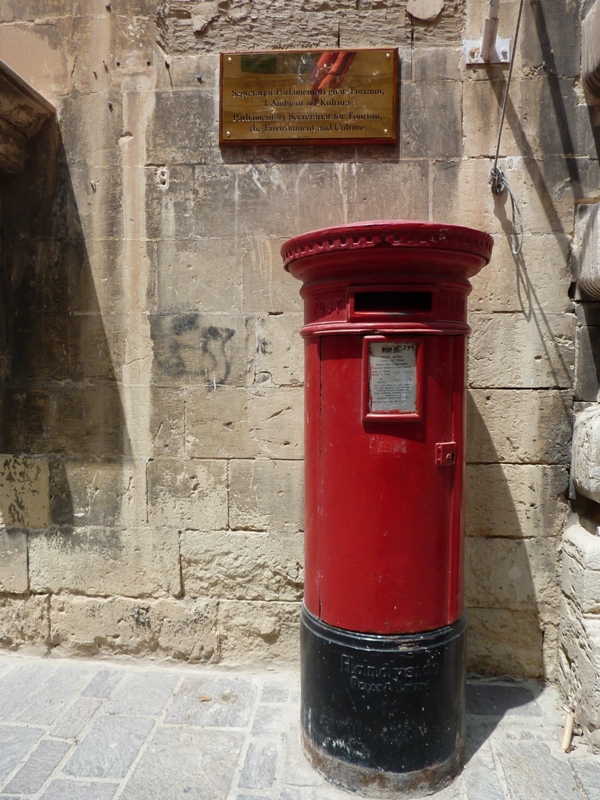
Standing Post — Whimsy; Rule of Thirds; Use of Color; Negative space

Standing Post — Whimsy; Rule of Thirds; Use of Color; Negative space

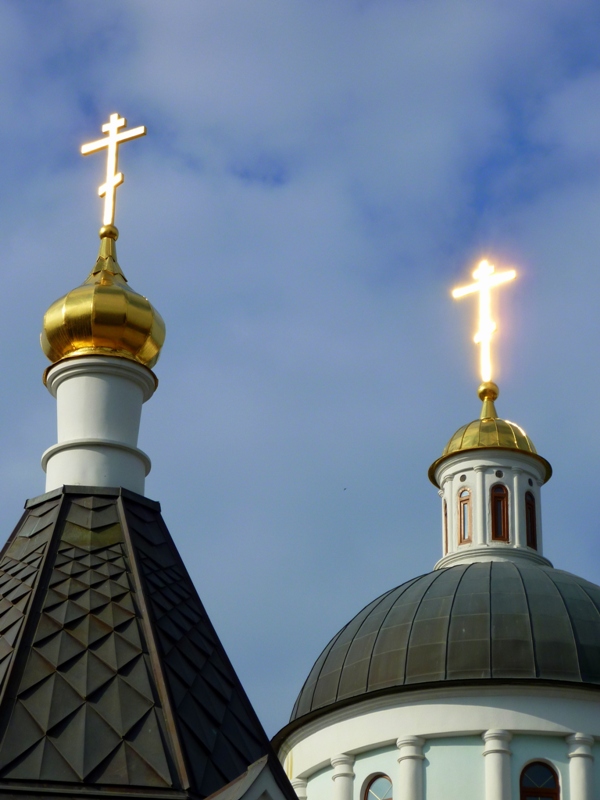
A Guiding Light — Rule of Thirds; Negative space (sky); Unusual play of light (reflecting off the Cross)

A Guiding Light — Rule of Thirds; Negative space (sky); Unusual play of light (reflecting off the Cross)

2 Comments

Filed under Photography