
On Monday we took a look at what type of landscape pictures might make good candidates for black and white conversion. All those photographs were taken in Glacier Bay on August 9 of this year, and their common themes were dull lighting, fairly monochromatic color range, misty clouds and, perhaps most importantly, rich textures with high contrast elements.
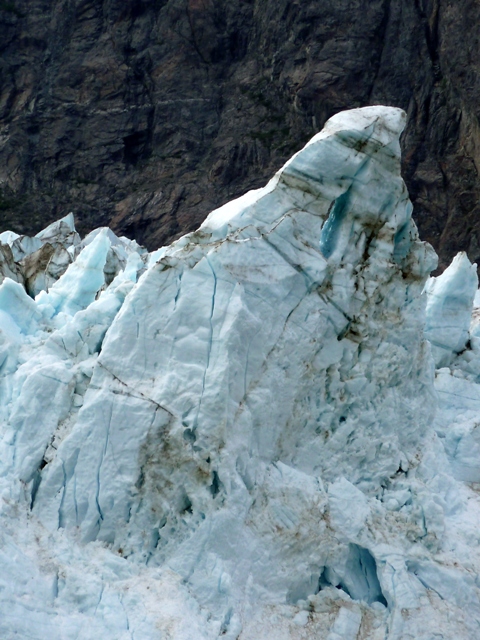
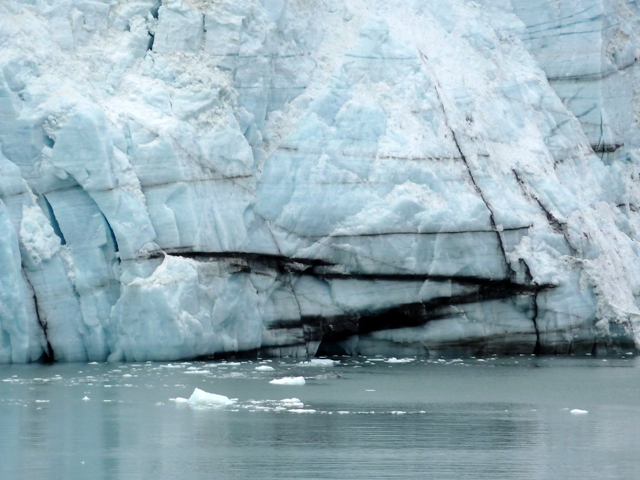
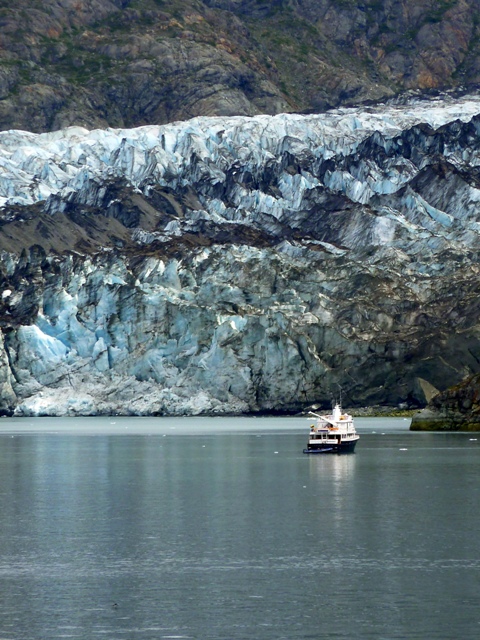
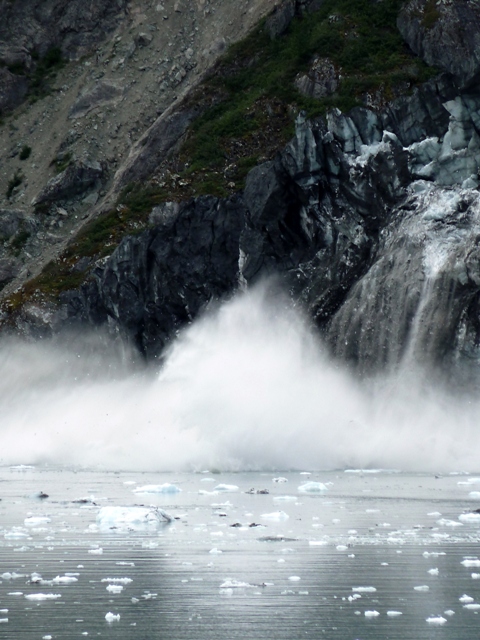
Today we’re going to look at photographs that aren’t as well suited for conversion to black-and white. These were also taken in Glacier Bay, and on the same day. The first three photographs depict an action sequence showing glacial calving of ice; black and white would have detracted from that action.
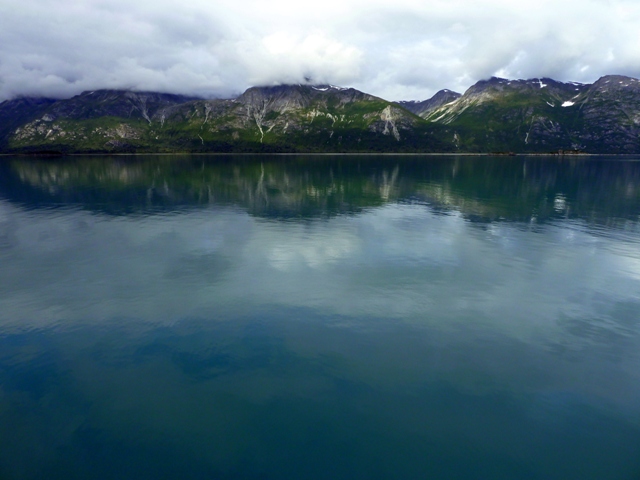
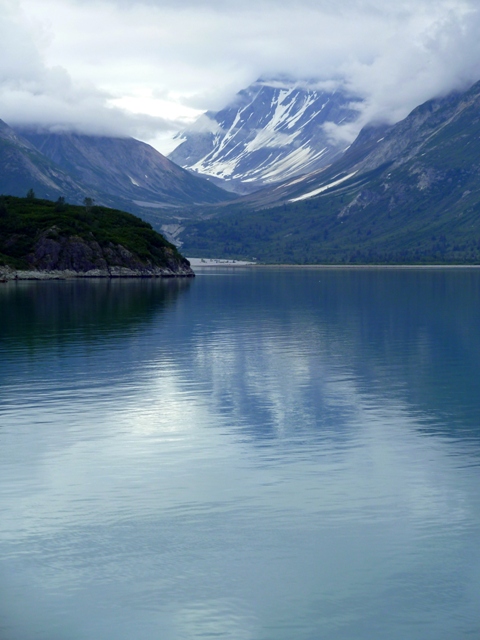
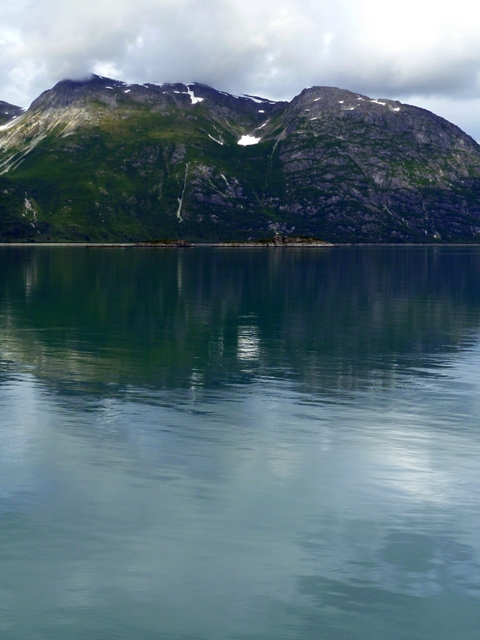
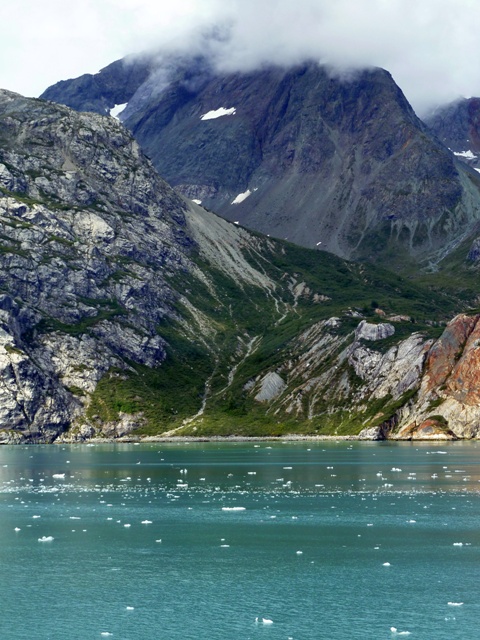
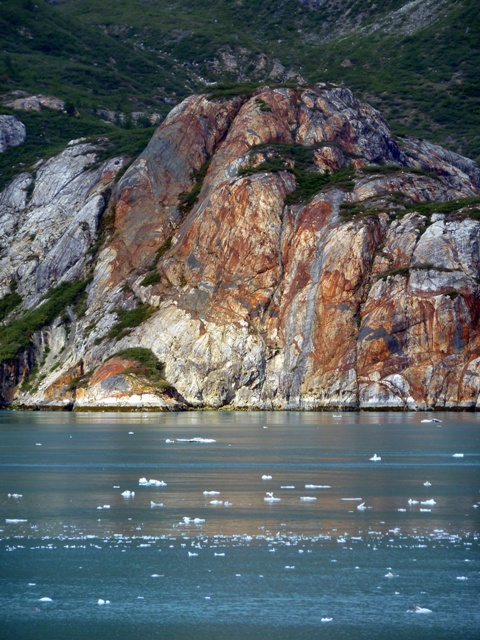
In many of the examples, you’ll note that colors play an important role in the visual impact—just the opposite of Monday’s choices. Some are reflection shots, in which what color there is plays an important part in enhancing the reflective effect on the water.
And finally, the last three photographs at first appear to be good candidates for conversion when compared to their misty counterparts from Monday, but you’ll note that because of the distant subjects and hazy conditions, they lack the contrast of last Monday’s offerings. Thus, at least to my eye, they have more impact with what minimal color there is than they otherwise would display if they had been converted to black and white.
But, remember, it’s all a judgment call, and you’re the judge when it comes to making these decisions on your own photographs.
See if you agree with the choices made:








 Decisions — Murder in Paradise
 The Globe — Murder in Luxury
 R. Doug Wicker — Author
These are great shots. I can see why you chose to keep the color.
Thanks, Karen. Glad you enjoyed them.
Pingback: When to Keep the Color—Landscapes (via R. Doug Wicker — Author) « littlewarlock