
Let’s pause to reflect for a moment. Reflection is good. Self-reflection is even better. Reflecting on your significant other’s faults can be really satisfying, especially during a heated argument (come on, ladies, you know it’s true). But image reflections simply cannot be beat.
We’ve discussed The Rule of Thirds, and we’ve touched on Breaking the “Law” of the Rule of Thirds. Today let’s look at another example of when you would want to throw the Rule of Thirds under the bus, drive over it, then back up and drive over it again. The interesting thing about this little trick is that it can result in some of the most beautiful, interesting, abstract and artistic shots you will probably ever take. In many cases these aren’t only keepers; they’re often Blow-Up-To-Poster-Size-And-Buy-A-Frame good.
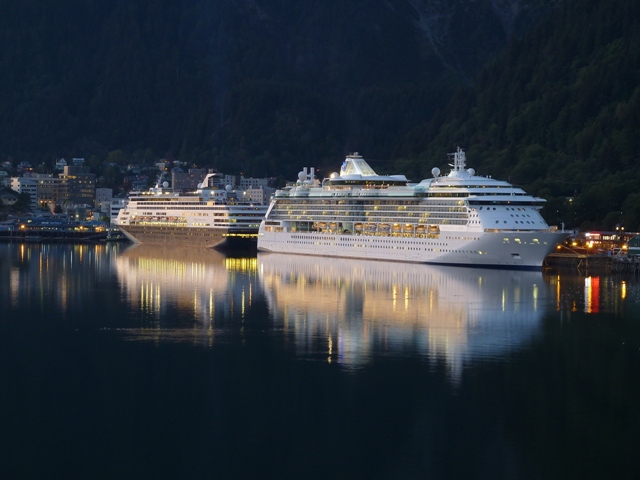
Reflections are everywhere. They’re all around you. You can’t escape them, so why not use them? They’re in the windows of lofty skyscrapers. They’re in the calm, cold waters of Glacier Bay, Alaska. They’re in your car’s paint and in shiny metal. They can even be found in the highly polished bar of a cruise ship.
The funny thing about most reflections in photography is that the Rule of Thirds usually works against you in taking the best and most interesting photographs. Indeed, using the exact middle of the frame to split the main subject from its reflection can frequently give your photograph unparalleled visual impact.
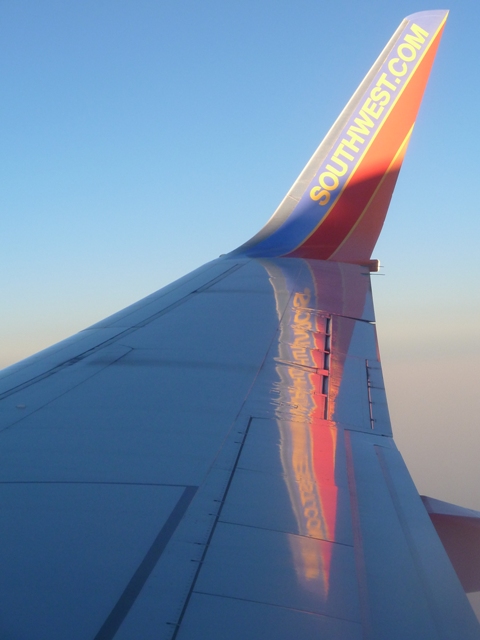
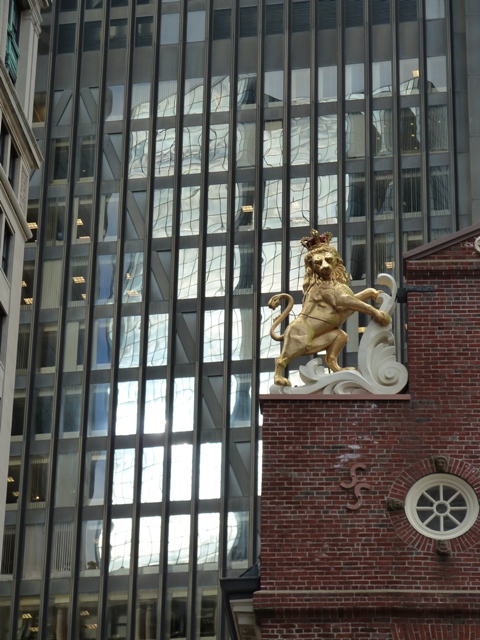
But not always. Sometimes you can combine the Rule of Thirds with reflective photography, as you can see in two of the examples included with today’s photography tip. Can you pick them out? Take a look for the lion rampant perched atop the brick building and note its Rule of Thirds positioning along the right side vertical composition line. Note how the reflections behind the lion help to frame it and to act as a counterpoint to it. But technically this photograph is a bit flawed in that the lion is nearly lost in the foreground because the background is visually too strong, so you do have to be careful with such shots. The other Rule of Third photograph I included is of course the Boeing 737 winglet reflected in the metallic upper surface of the wing.
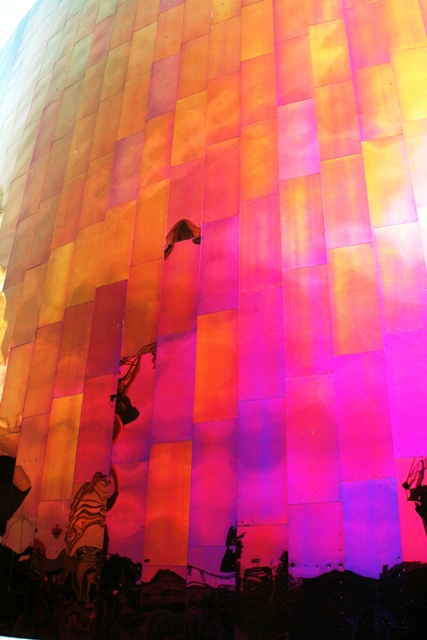
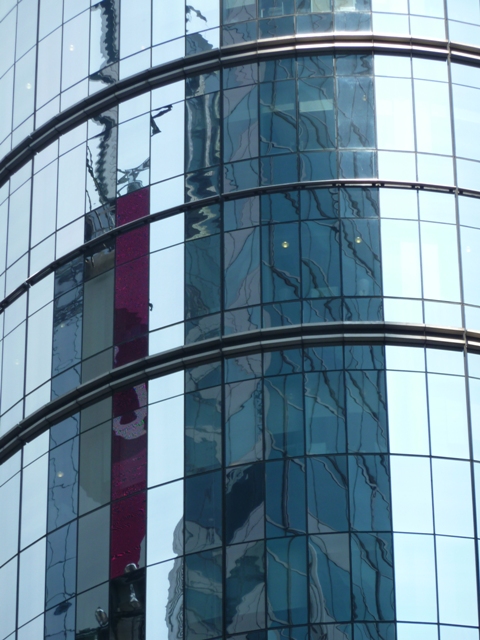
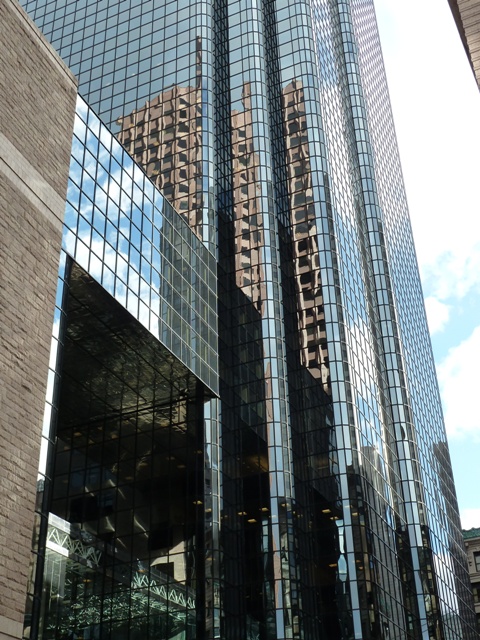
Other photographs forego both the Rule of Thirds and the centered horizontal or vertical split. These are several of the pictures of reflections in skyscraper windows and the reflection in the red metal skin of the Music Experience Project/Science Fiction Hall of Fame in Seattle. In these cases the reflections are only a part of the photograph’s interest. Also adding to the visual impact of these photographs are the grid-like patterns of the window frames or, in the case of the Music Experience, the individual metal panels. In these cases neither the Rule of Thirds nor a perfect split along the horizontal or vertical center would have done anything to enhance the subject.
As you can see by now the Rule of Thirds, despite what I told you in the first of this series, is hardly a “Law.” It is a rule and, as with all good rules, the trick is to know how, when, and why to break it. Remember, the automatic mode on your camera is there to assist you in determining focus, aperture, shutter speed, ISO, and white balance (although you would do well to learn how to change any and all combinations of these settings when the situation dictates). It remains your job to find interesting subjects and to frame them in intriguing and artistic ways. Hopefully there will never be a camera invented that will do that for you, because that is when photography ceases to be an art form.







 Decisions — Murder in Paradise
 The Globe — Murder in Luxury
 R. Doug Wicker — Author