
“Hey, buddy, you know how fast you just blew through that Rule-of-Thirds zone? Didn’t you see that sign?”
“Uh . . . yeah, Ossifer O’Hallihan, but—”
“Hey! You been drinking, buddy?”
“No. Well . . . yeah. But I only had tee martoonis. Besides, I had a perfectly good reason for doing halves in that thirds zone.”
“Well, let’s hear it. And this better be good.”
I knew it would raise a few hackles when I wrote in a previous blog that the Rule of Thirds isn’t just a good rule, but rather it’s the LAW! Nothing like a little controversy to boost your blog traffic and, yes, I did get a few to bite. I made that statement for two reasons. First, I wanted those who don’t use the Rule of Thirds to start thinking of it as “law” so that they would see an immediate improvement in their photographs. Go ahead. Be honest about it. If you followed that piece of advice that’s exactly what you achieved, now isn’t it. Secondly, I wanted at a later date to show that there are no hard-and-fast “laws” in photography, or any other creative art for that matter. Thus, I always intended to follow up that article with one or more on breaking the “Law” of Thirds. But as with any endeavor in life, you have to know and understand a rule before you can truly comprehend when, why, and how to break that rule. Just look at Pablo Picasso’s earlier realism period and compare that to how he broke all the “rules” later in his life.
The Rule of Thirds is all about drawing attention to a specific subject through the use of offsetting that subject and using negative space to draw attention to it. But what if you don’t have good negative space, or what if that space doesn’t enhance the subject? Right now you’re scratching you head wondering what kind of subject that might be. How about, oh . . . I don’t know, say, a flower perhaps? A single, solitary, bright red rose standing out in a sea of green leaves? Surely, such a subject would not in most cases benefit from the Rule of Thirds, right? And you would be correct. In this case, as in the case of a lot of macro-photography (close-range shots), the subject is king, and no amount of negative space or offsetting is going to do anything to enhance that. Indeed, it will most likely detract from the overall impact of the shot.
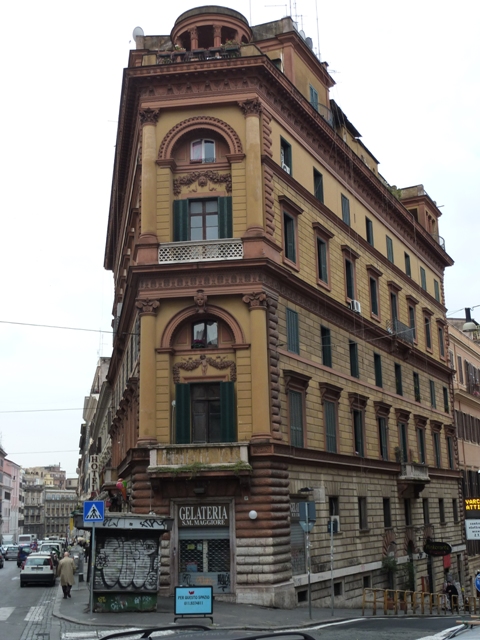
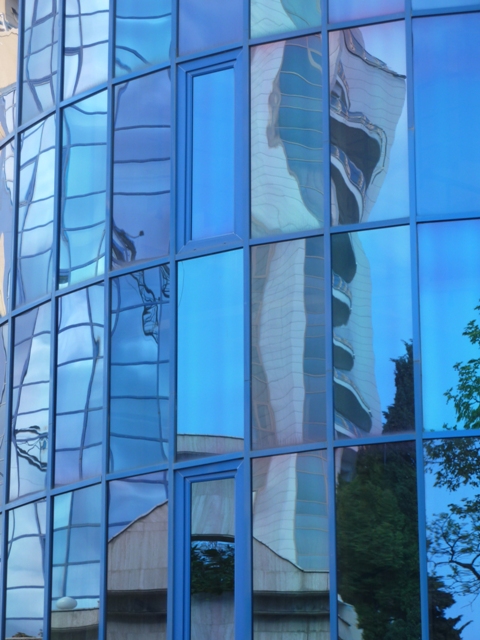
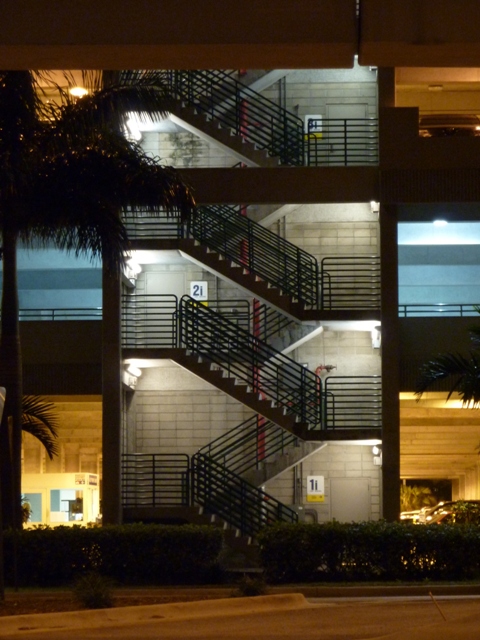
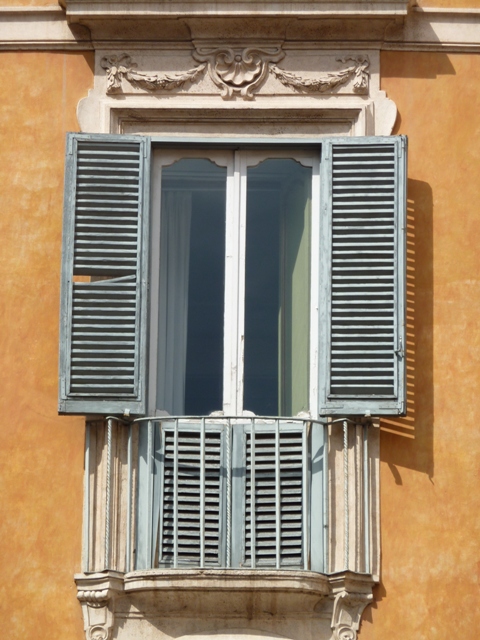
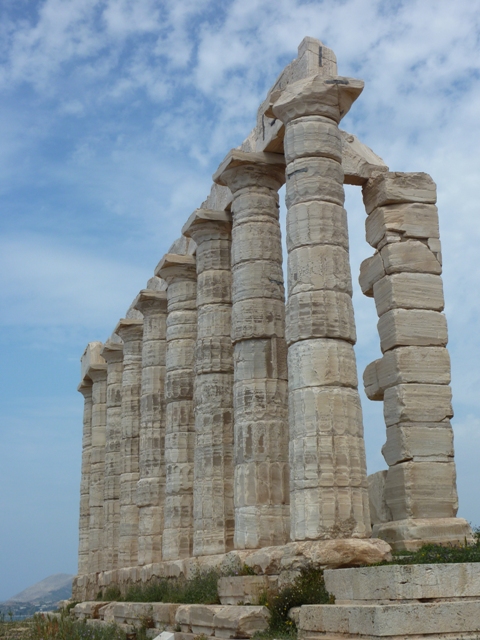
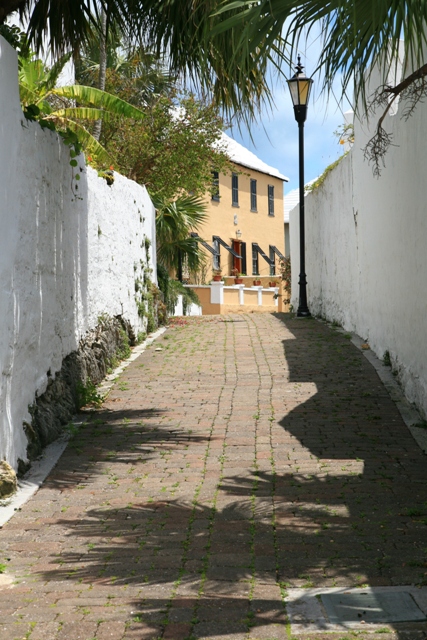
Lines, both natural and manmade, can also at times give your photographs more visual impact than does the Rule of Thirds. What kind of subjects might these be? Long alleyways or cobblestone streets framed by buildings, especially when those lines draw the viewer into the picture (although combining those lines with the Rule of Thirds can also be effective), the symmetry of rows and columns of balconies adorning the side of a building, or reflections framed by the individual panels on a glass-covered skyscraper.
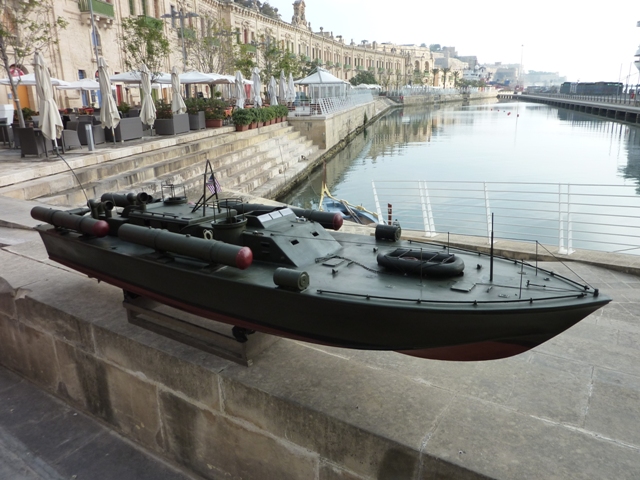
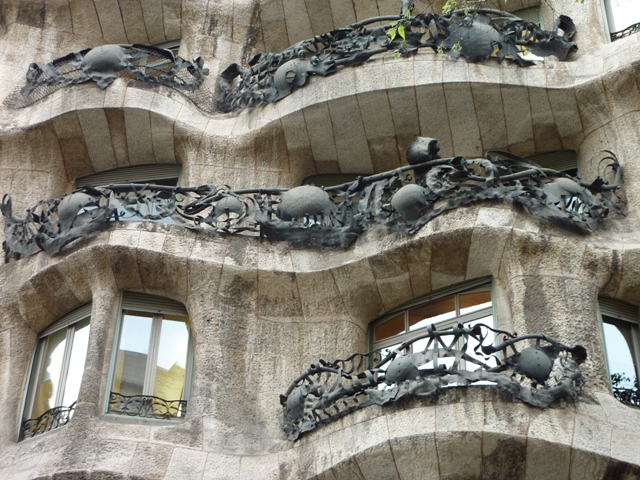
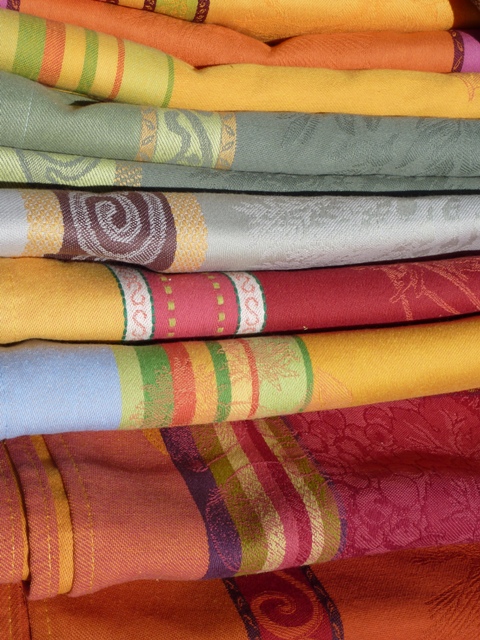
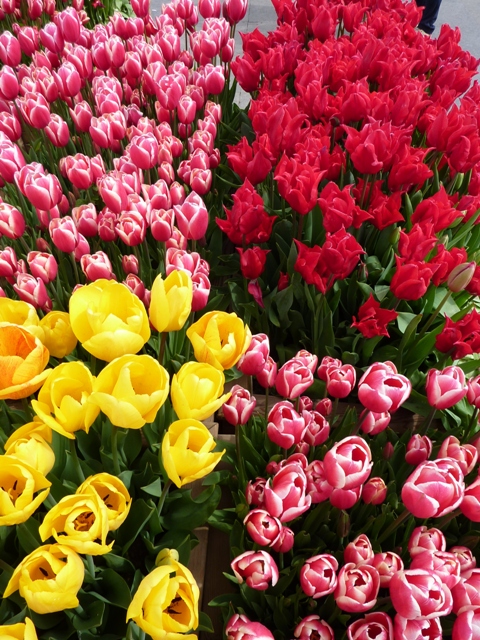
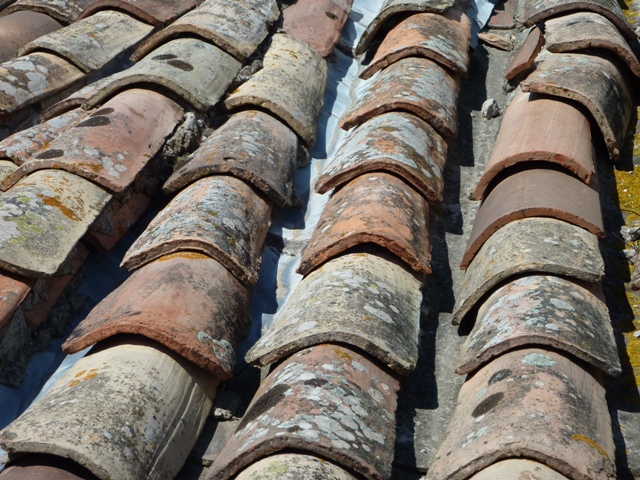
What other reasons might there be to violate The Law? Action shots such as a man scaling up the side of a cruise ship, a sailboat knifing through the sea, or a ship’s captain and his first officer standing on the flying bridge. Pictures where color itself is the primary emphasis, such as brightly colored fruits and vegetables at an open-air market, or a stain glass window in a European Cathedral. Likewise, texture might be of overall importance, such as a section of lichen-encrusted roof tiles or the flowing, wavy balcony lines and elegantly ornate and curved wrought iron adorning Antoni Gaudí’s Milà apartment building in Barcelona.
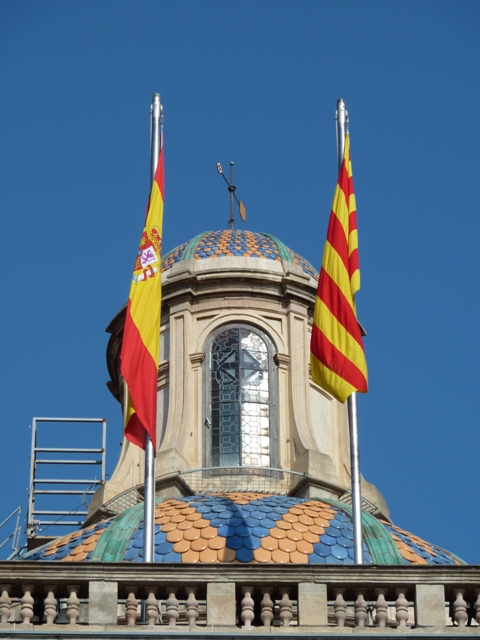
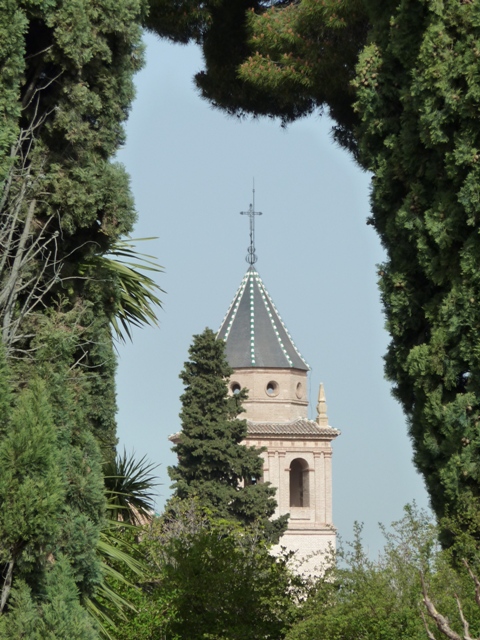
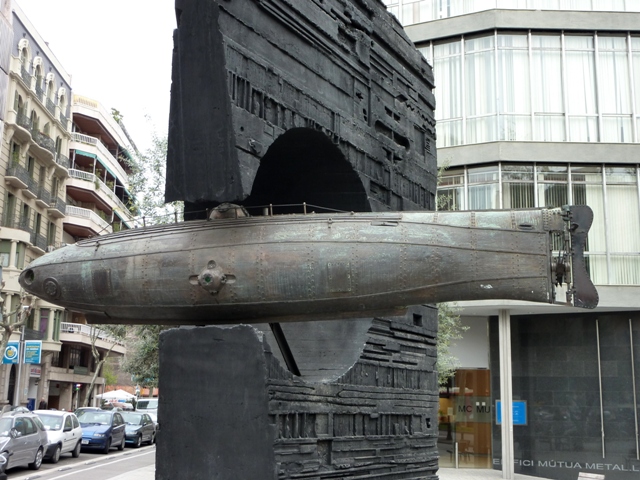
Take a look at the pictures below for some examples. We’ll cover other examples at a future date. Until then, enjoy the show (as always, only using my own photographs):
















 Decisions — Murder in Paradise
 The Globe — Murder in Luxury
 R. Doug Wicker — Author
Pingback: Reflecting on Photography | R. Doug Wicker — Author