
Today’s intended blog has been preempted by an information request from my literary agent. He’s going to Istanbul this summer, and he wanted some tips on the sights and things to do. So, today’s blog will deal with intriguing Istanbul, with a little photography thrown in as well. Henry, my friend, this blog’s for you:
My wife Ursula and I visited Istanbul over two days last April. As it turns out, I wish the visit had been longer. There is just so much to see and so many things to do. Alas, we were on a cruise and two days was all we were allotted. Istanbul is a city that spans both sides of the Bosporus Strait, thus it is in two continents—Europe and Asia. The city is further divided on the European side by the Golden Horn, a natural harbor on the European side of the Bosporus. The “old” city is built upon seven hills on the south side of the Golden Horn, and it is there where the most historic sites and exotic locales reside. If your time in Istanbul is limited, this area should be your base of operations during your stay. Let’s take a look at some of the sights in this area:
Sultan Ahmed Mosque or, by its more famous name, the Blue Mosque is an incredible structure that was completed in 1616. The most notable external architectural features include the 140-foot-tall dome and the six statuesque, pencil-shaped minarets, two of which are separate from the main structure. But as impressive as the outside is, the inside is even more spectacular beneath the great dome that towers at an incredible height overhead. Inside you are greeted by over 20,000 hand-made tiles laid in a multitude of artistic patterns, including the blue tiles lining the underside of the main dome that give the Blue Mosque its popular name.
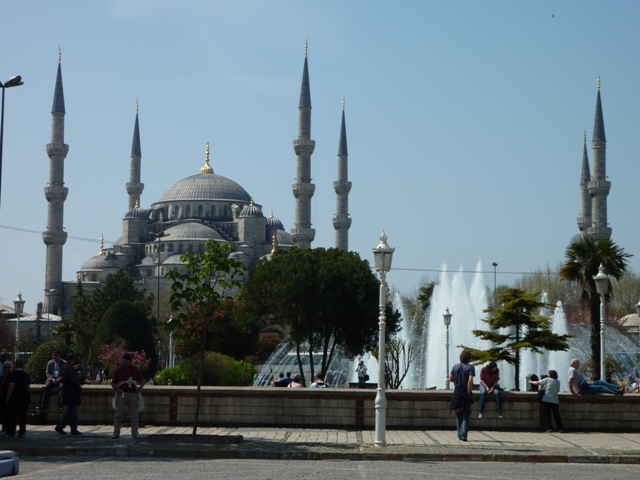


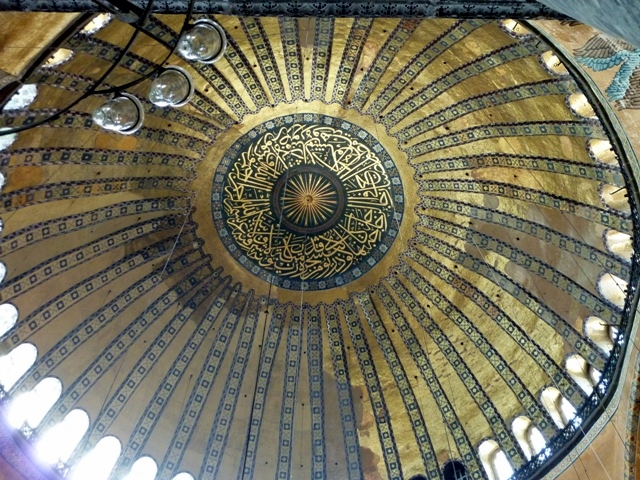
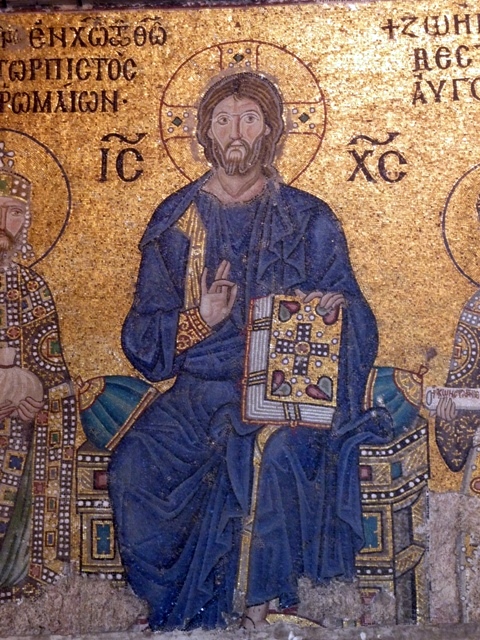
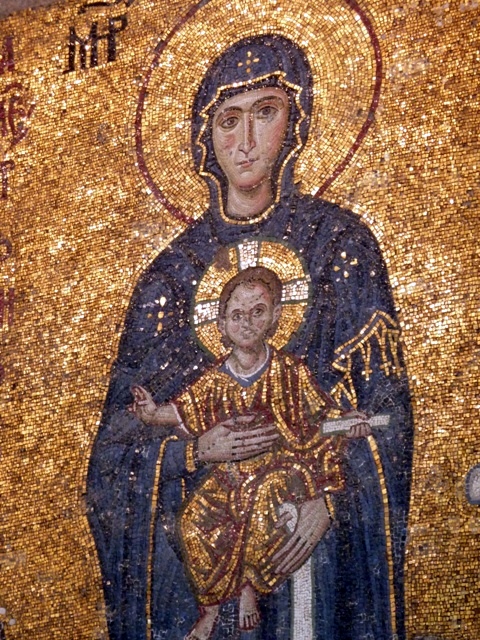
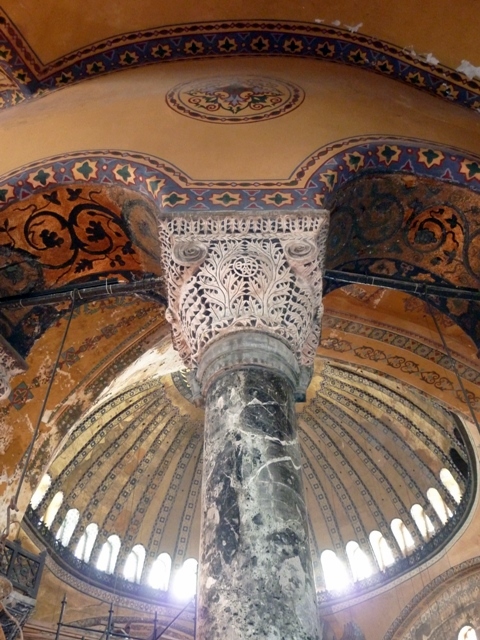
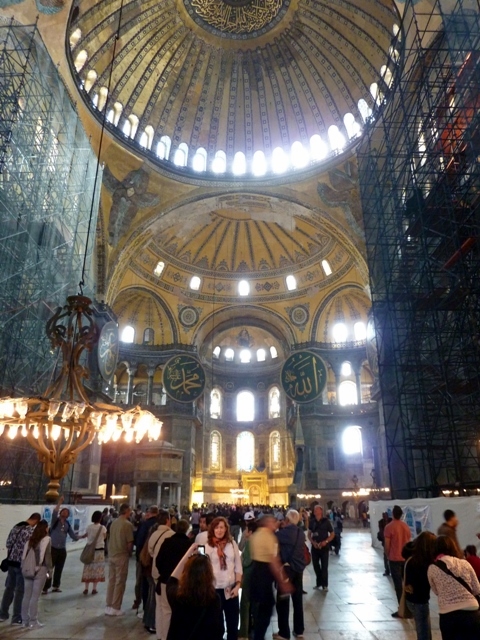
The site upon which sits the Hagia Sophia, just a short walk from the Blue Mosque, has been home to religious structures since AD 360 and was originally an Eastern Orthodox basilica. The current structure is the third to be built there, and was completed in AD 537. Earthquakes soon undermined the dome, resulting in its collapse in AD 558. The dome reconstruction was completed in AD 562, and from that time until 1520 the Hagia Sophia was the largest cathedral ever built. But from 1453 until 1935 it was no longer a cathedral. Following the Ottoman conquest the Hagia Sophia was converted into a mosque, and in 1935 it became a museum highlighting its classic Byzantine architecture and incredible Christian mosaic tile depictions of religious figures. Make sure you take a stroll into the upper gallery. And while you’re up there, look for a great photo opportunity that captures the Blue Mosque framed by domes on the Hagia Sophia.




The Basilica Cistern is less than three minutes’ walk from the Hagia Sophia and well worth the price of admission. Deep below the streets of Istanbul, an army of 336 marble columns standing like soldiers on the parade field and reflected in the water surrounding them present you with some really great Kodak moments. Make sure you trek to the back of the cistern. There you’ll find two columns with Medusa-head bases. One Medusa head lies on its right side; the other upside down.


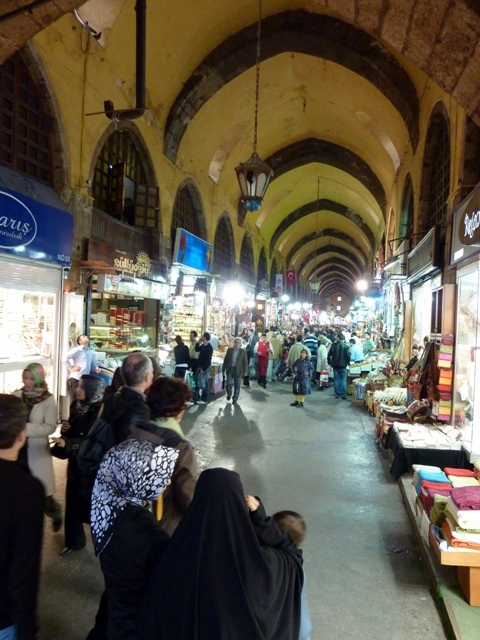
Take in the Grand Bazaar. There you will find an incredible array of spices, gold jewelry so brightly lighted and sparkling that it will dazzle you, intricate hand-inlaid backgammon and chess boards, lamps using glass in every color imaginable, and much, much more. Don’t be shy with your camera, but make sure you ask permission before photographing any of the vendors or their wares. You’ll almost never get a ‘no’, but you may be chastised if you don’t ask beforehand. Many vendors will even pose with you while others snap the shot for you. And, no, you needn’t worry about thieves as you would in pickpocket-rich Athens, Rome, Barcelona, or many other European cities. Istanbul is a place where you will never feel safer from these types of petty but irritating and inconvenient crimes. Chalk this up to the Islamic code of justice and a friendly people who take pride in their city and what travelers think of it.


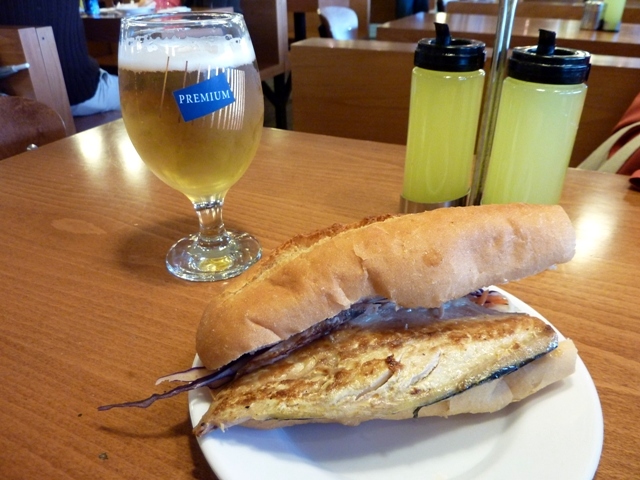
The Galata Bridge spanning the Golden Horn and connecting old Istanbul to new is a real treat. Along the railing you will find a row of fishermen, poles jutting outward, lines in the water. Buckets of bait and coolers holding lunch and soft drinks lay at many a fisherman’s feet. Picturesque boats of every size, shape, and color pass beneath the center of the bridge, and restaurants and shops are built beneath it near either shoreline. For lunch, try one of these restaurants for a great meal consisting of a sandwich containing fresh-caught Bosporus fish, European-style pomme frites (French fries . . . only a whole lot better than you’ll get nearly anywhere here) and an ice-cold beer. Shop around and compare and your lunch tab will be less than what you would spend at a fast-food restaurant in your home town.


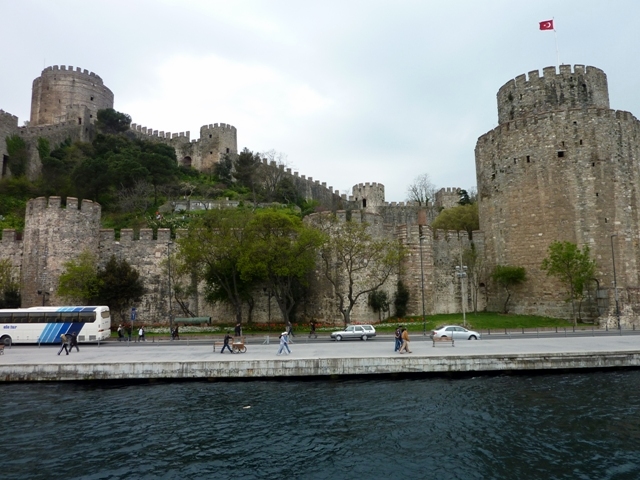
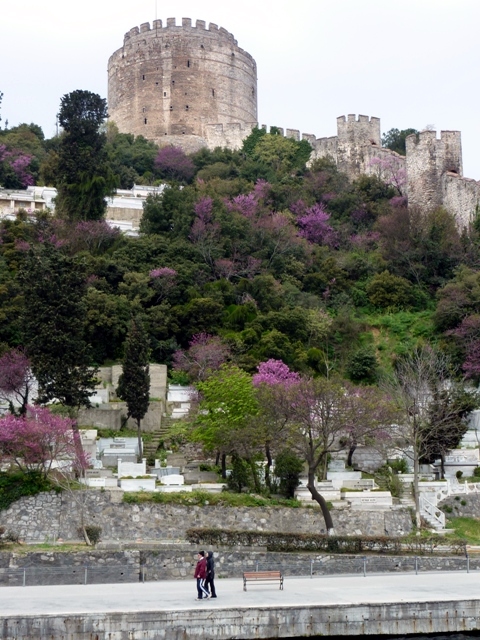
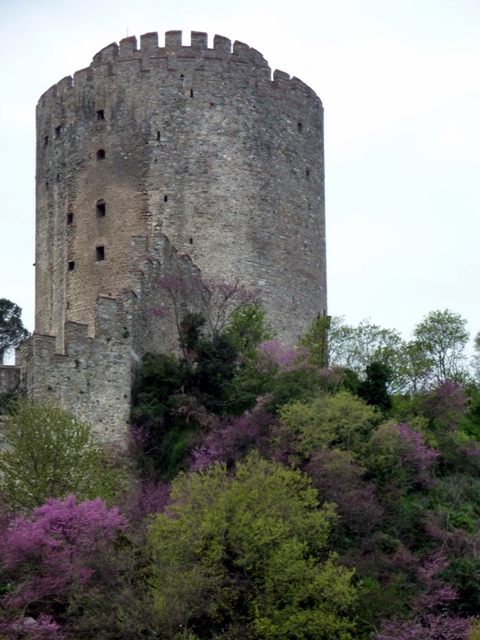
The best deal in town simply has to be one of the sightseeing boats that depart from the ferryboat docks on the south side (old Istanbul side) of the Galata Bridge. The trip is one and a half hours of pure, peaceful, fun and picturesque photographic joy. Along the way you will see the modern skyscrapers of new Istanbul in the background; the medieval castles that once guarded the Bosporus; palaces and homes of the rich, and mosques of every size, shape, and era. You’ll pass beneath the dramatic and modern suspension bridges that connect Asia to Europe all the while dodging everything from ferries to freighters to fleets of small fishing boats and even multimillion-dollar yachts.





Topkapi Palace in Old Istanbul is the sight we did not see, but my fellow cruise companions raved about it. It served as the residence of the Ottoman Sultans from 1465 until 1856 whenever they were in Istanbul. Contained within its fortress-like walls are many buildings and four main courtyards. There, inside, you will find treasures such as the sword of the Prophet Muhammed and priceless collections of weaponry, armor, jewels, and irreplaceable manuscripts done in artistically flowing calligraphy. Make sure you pay the extra price required to visit the Imperial Harem and its 400+ rooms. You could say that I was told it was a very eunuch experience, but that would just be so wrong on so many levels.

Thank You Linda S. Prather: Linda is just the latest in an ever-increasing list of bloggers to feature Decisions as you can see at: http://jacodypress.blogspot.com/
 Decisions — Murder in Paradise
 The Globe — Murder in Luxury
 R. Doug Wicker — Author
